KATHMANDU: The government has proposed integrating the Customs Information System with the Vehicle and Consignment Tracking System (VCTS) to prevent the mixing of illegal goods with legally imported consignments during transportation.
The proposal aims to strengthen monitoring of goods transported from customs points and prevent smuggling through domestic routes.
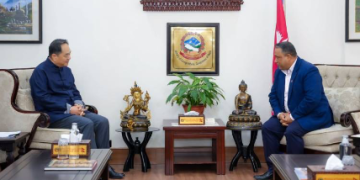
During a clause-wise discussion on the ‘Bill to Amend and Repeal Some Nepal Acts Relating to Finance, 2083′ at the House of Representatives’ Finance Committee on Tuesday, Finance Secretary Dr Ghanshyam Upadhyaya proposed automatically transferring customs declaration details to the VCTS once a customs declaration is approved.
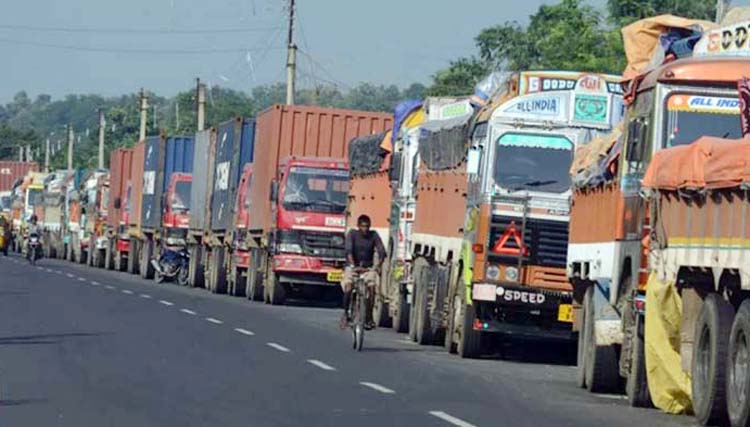
He said there have been cases where vehicles carrying legally imported goods added smuggled items during transportation. He cited an incident in which a vehicle carrying goods from the Bhairahawa Customs Office was found transporting smuggled shoes added in Butwal when it reached Thankot in Kathmandu.
To prevent such activities, Upadhyaya said the details of imported goods should be automatically linked with the information of the vehicles transporting them.
He proposed connecting the online customs declaration system with the VCTS so that details of goods are automatically entered into the tracking system immediately after customs clearance.
Under the proposed arrangement, details of domestically produced goods would continue to be entered into the VCTS separately, while information on imported goods would be linked directly through the Customs Information System.
Upadhyaya also clarified that smuggling and failure to enter details into the VCTS are separate offenses.
Under the existing provision, failure to enter details of legally imported goods into the VCTS can result in a fine of Rs 50,000 for the first offense and Rs 100,000 for subsequent offences. He said these penalties relate to procedural non-compliance, while those involved in smuggling would face action under separate legal provisions.
He also suggested including a provision in the law requiring the Inland Revenue Department to prepare and publish implementation standards a certain number of days before they come into effect.