KATHMANDU: The government has proposed amendments to 17 provisions of the ‘Vehicle and Transport Management Act, 1993’, through an ordinance aimed at making transport services faster, easier, more practical and digitally accessible.
The proposed changes are part of the Ordinance to Amend ‘Some Nepal Acts Related to Investment and Infrastructure, 2083’. The government plans to amend 63 existing laws through the ordinance, including the Vehicle and Transport Management Act.
The Act, introduced in 1993, has already been amended 11 times. If approved, the latest proposal will mark its 12th amendment.
The proposed changes cover vehicle emission testing, tourist transport services, vehicle registration, route permits, online applications and payments, inter-provincial transport records, digital ticketing and mandatory rest periods for public vehicle drivers.
The ordinance will come into effect after approval by the Cabinet, authentication by the President and publication in the Nepal Gazette.
Private sector to be allowed to conduct vehicle emission tests
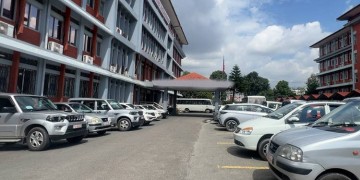
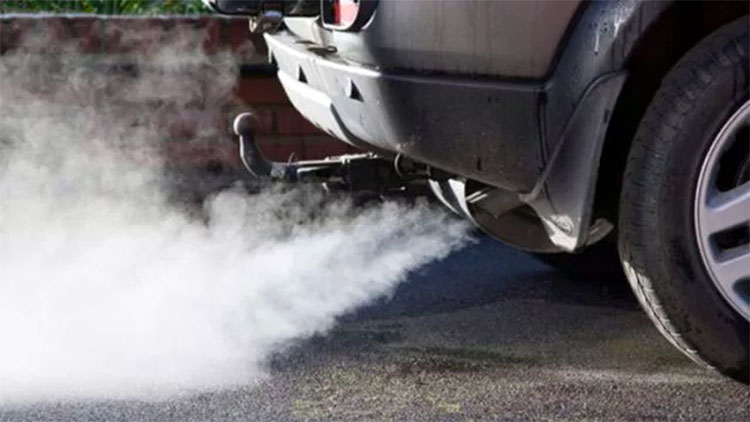
The proposed amendment will allow government, public and private vehicle testing centers to conduct technical inspections of vehicles, including emission tests. Currently, authorized government authorities are responsible for inspecting public vehicles and issuing fitness certificates.
Under the proposed amendment to Section 91, authorized agencies will be able to recognize vehicle testing centers that meet prescribed requirements for infrastructure, equipment, technical manpower, quality control and other standards.
Recognized centers will be allowed to inspect brakes, steering systems, tires, lights, signaling systems, emissions, structural conditions and other safety-related components. They will also be required to upload actual test results and reports to an electronic record system.
However, reports issued by private testing centers will not automatically serve as official fitness certificates. The authorized government authority will remain responsible for issuing certificates based on the inspection reports.
The proposal also includes provisions for monitoring testing centers, ensuring impartiality, addressing conflicts of interest, conducting surprise re-inspections and suspending or canceling recognition if standards are violated.
Private vehicles to be allowed to carry tourists
The proposed amendment will allow certain privately owned vehicles to be used for tourist transport services under a special permission system.
Tourism businesses holding valid operating licenses will be allowed to provide transport services using vehicles they own or public vehicles rented under written agreements with vehicle owners.
The proposal also allows licensed tourism businesses to use privately registered vehicles for tourist services after obtaining special permission from the authorized authority and including those vehicles on an approved list.
Such vehicles must have the owner’s consent, valid registration and renewal, completed technical inspections and required safety standards. They must also have insurance covering passengers, drivers and third parties, along with all applicable taxes and fees.
The government will determine the procedures for listing private vehicles, issuing special permits, vehicle categories, operating areas, insurance requirements, fees, booking records and monitoring.
Vehicle registration can be restricted based on assessment
The proposed amendment will allow the Department of Transport Management to temporarily stop the registration of certain types of vehicles if there are objective grounds, such as rising environmental pollution, inadequate road capacity, excessive vehicle congestion or serious road safety concerns.
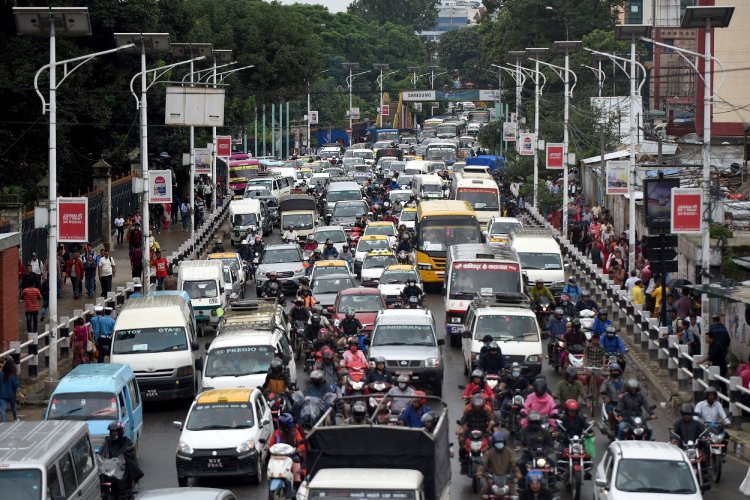
However, the department must first assess whether less restrictive measures could address the problem. These may include regulating vehicle operating hours and areas, improving route management or introducing pollution-control measures.
A registration restriction can be imposed for a maximum of six months at a time. The department must review the decision every three months and lift the restriction immediately if the situation improves.
If the conditions requiring the restriction continue, the department may extend it once for another six months after following the prescribed process.
Before imposing such restrictions, the department must consult relevant authorities, transport operators and consumer representatives, except in cases involving immediate and serious risks to public safety or the environment.
Online applications and payments for route permits
Vehicle owners and transport operators will be able to apply for route permits and pay the required fees through electronic platforms.
Under the proposed amendment, authorities must inform applicants of any missing documents or information within seven working days of receiving an application. They must identify all missing requirements at once rather than repeatedly requesting additional documents.
Applicants will also receive an application number and confirmation of the submission date. Information about application status, missing documents and decisions must be made available electronically.
Authorities will not be allowed to ask applicants to resubmit information, such as vehicle registration, renewal, fitness inspection and insurance details, if those records are already available through government electronic databases.
The proposal also states that applications cannot be rejected simply because an online system is temporarily unavailable. Alternative application methods must be provided in such situations.
Integrated digital system for inter-provincial transport
The government has proposed an integrated electronic information system to improve coordination of public transport services operating across provincial boundaries.
The system will be developed in coordination with provincial governments and will allow the exchange, verification and updating of records related to inter-provincial transport operating permits, route permits, vehicle registration, driving licenses, vehicle fitness certificates and insurance.
The system must ensure accurate and regularly updated records, effective information sharing between government agencies and the protection of personal information.
However, the proposed system will not change the constitutional powers of federal, provincial and local governments to issue permits, renew licenses, regulate and monitor transport services.
Route permit validity proposed to increase to one year
The government has proposed extending the validity of vehicle route permits from the current four months to one year. Under the proposed amendment, the authorized authority must decide whether to issue a route permit within 15 working days of receiving a complete application or the date on which missing documents are submitted.
If an application is rejected, the authority must clearly explain the reasons to the applicant. An additional period of up to seven working days may be granted once if further assessment is required regarding road conditions, vehicle suitability or public safety.
Failure to make a decision within the prescribed period will not mean that the permit is automatically approved. However, applicants will be able to file a complaint with the head of the concerned office, who must review it and issue necessary instructions within seven working days.
Existing operators cannot block new route permits
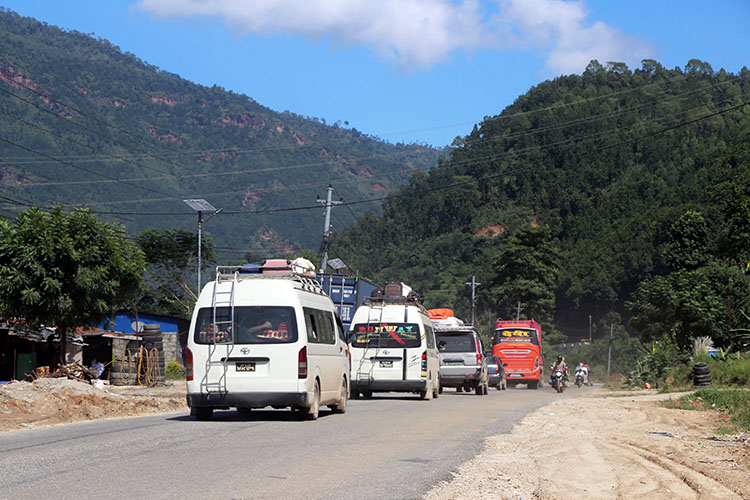
One of the major proposed changes aims to address restrictions on new transport operators entering existing routes. Under the proposal, authorities cannot refuse new route permits simply because vehicles or transport operators are already operating on a particular road or because existing transport associations have not given their consent.
The number of existing operators and their commercial interests will also not be sufficient grounds for rejecting new applications. Instead, authorities must consider road capacity, vehicle types, transport safety, environmental impact, passenger demand and public interest when issuing route permits.
However, new permits may still be rejected if additional public vehicles are likely to seriously affect the safe and orderly use of a road.
In such cases, the authorized authority must consult the relevant management committee, record the reasons and supporting assessment, and inform the applicant in writing or electronically. The provision is expected to help reduce restrictions on competition and address the existing transport syndicate system.
App-based urban transport services to be regulated
The proposed amendment also introduces provisions for app-based urban transport services. Under the proposal, authorized organizations will be allowed to operate digital platforms, websites or mobile applications that connect passengers with transport service providers.
These platforms may facilitate vehicle bookings, fare and service fee payments, travel information and other transport-related services.
 An urban transport service area may cover one municipality or two or more connected municipalities. The area will be determined based on road conditions, transport safety, passenger demand and service accessibility.
Vehicles and drivers providing services through these platforms must meet all legal requirements, including vehicle registration, operating permits, driving licenses, fitness certificates and insurance.
Platform operators will also be responsible for verifying that vehicles and drivers meet the required conditions before offering services.
Passengers must receive fare and service fee information before booking, along with details identifying the driver and vehicle. Platforms must also maintain trip records, provide complaint-handling services and ensure emergency assistance. The proposal requires platforms to protect the personal information of passengers, drivers and service providers.
However, permission to operate a digital platform will not automatically grant transport operating rights or route permits to the platform, vehicle owner or driver. Private vehicles without the required commercial passenger transport permission will not be allowed to carry passengers simply by registering with an app-based platform.
Digital tickets to have legal recognition
Public transport operators will be allowed to issue passenger tickets electronically under the proposed amendment. Digital tickets will have the same legal recognition as paper tickets, meaning passengers will not be required to carry printed tickets during their journeys.
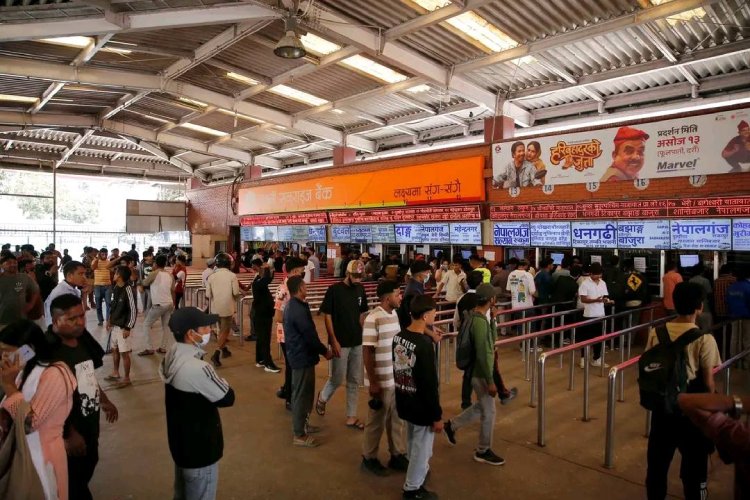
The tickets must include the transport service provider’s name, vehicle identification, route, departure date and time, fare, service charge and ticket number. The total amount paid by passengers must also be clearly displayed.
Transport operators and electronic ticketing platforms will be required to provide ticket verification, record management, cancellation, refunds and passenger complaint-handling services.
They will not be allowed to charge fares or service fees beyond the amounts permitted under existing laws simply because tickets are issued digitally.
Mandatory rest periods proposed for long-distance drivers
The proposed amendment also introduces mandatory rest provisions for drivers operating public vehicles on long-distance routes. New provisions under Sections 103 and 104 will require transport operators and vehicle owners to arrange adequate rest periods for drivers.
They will not be allowed to pressure or instruct drivers to continue driving without sufficient rest or operate vehicles while fatigued.
Safe locations should be selected for rest whenever possible. Drivers must also be free from other work-related responsibilities during their designated rest periods. The proposed provision aims to improve road safety by reducing accidents linked to driver fatigue.
The government has proposed these amendments as part of a broader effort to modernize transport regulations, improve service delivery, introduce digital systems and make the transport sector more competitive.
However, all the provisions remain proposals and may be revised before the ordinance is formally implemented.