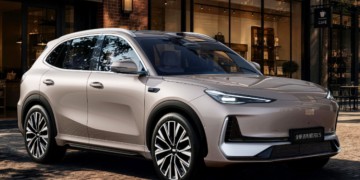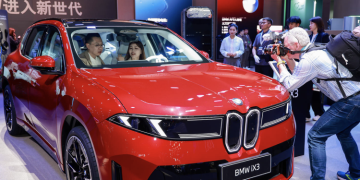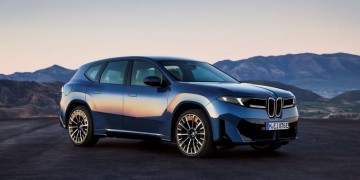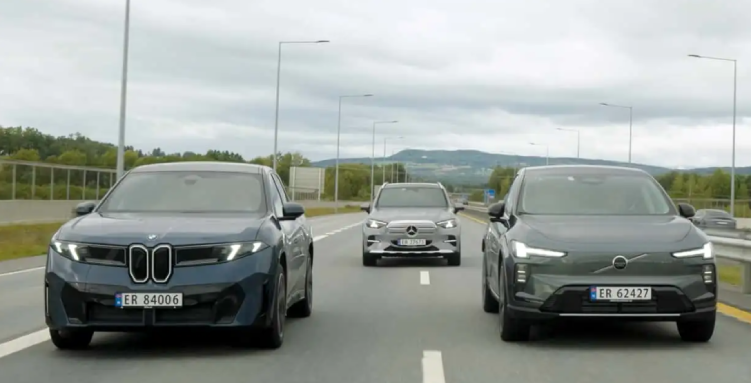
KATHMANDU: The new BMW iX3 has recorded the lowest energy consumption in a highway test against the Mercedes-Benz GLC Electric and Volvo EX60.
The three premium electric SUVs were tested on the same motorway route north of Oslo, Norway. The vehicles were driven at a target speed of 120 km/h, with temperatures between 14°C and 17°C.
Each vehicle started the test with a 90% battery charge and was driven in its most efficient mode. The drivers also rotated between vehicles and positions during the test.
The BMW iX3 recorded energy consumption of 19.4 kWh/100 km. The Mercedes-Benz GLC Electric used 20.3 kWh/100 km, while the Volvo EX60 recorded 21.1 kWh/100 km.
Based on the test results, the BMW used around 4% less energy than the Mercedes and about 8% less than the Volvo.
The iX3 also had the largest usable battery in the comparison at 108.7 kWh. Combining its larger battery with lower energy consumption gave it a calculated range of 544 km.
The Mercedes-Benz GLC Electric achieved a calculated range of 449 km, while the Volvo EX60 managed 419 km under the same test conditions.
The Volvo used in the test was the EX60 P10, which has a 91 kWh battery. The higher-spec P12 version uses a 112 kWh battery. Based on the same efficiency figure, the P12 could theoretically deliver around 515 km of range.
Wheel size may have also affected the results. The Volvo EX60 used 22-inch wheels, while the BMW iX3 and Mercedes-Benz GLC Electric were equipped with 20-inch wheels.
Despite recording the highest energy consumption, the Volvo EX60 received the strongest subjective feedback from the drivers for highway comfort. Its quiet cabin and smooth ride were highlighted during the test.
The results show that battery capacity alone does not determine highway range. Energy efficiency also plays a major role in how far an EV can travel between charges, according to Insideevs.