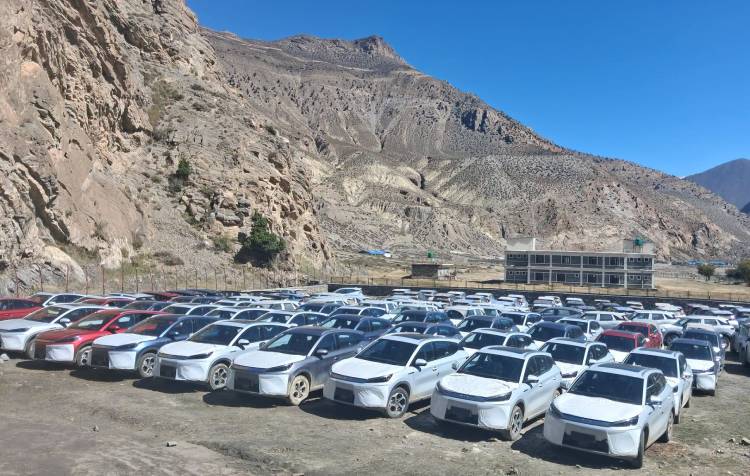
KATHMANDU: Nepal’s automobile market has gained momentum over the past six months, driven largely by rising demand for EVs. Despite continued weakness in the broader economy, vehicle imports and sales have shown a strong recovery.
Two major automobile shows, the festive season, the entry of new brands and models, competitive pricing, and easier access to vehicle loans have contributed to the market’s growth. Changing consumer preferences have also played an important role.
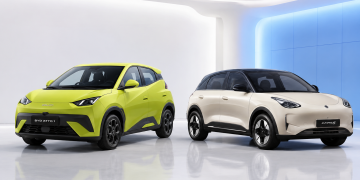
While demand for combustion-engine vehicles continues to decline, EVs are driving the market forward. Imports of both passenger and commercial electric vehicles have increased sharply, with more than 14,000 units imported in the past six months alone.
Quarterly figures show that EV imports have more than tripled over the past five quarters. Nearly 23,000 electric vehicles were imported in the last 15 months, highlighting the growing momentum in Nepal’s automobile market.

In the first quarter of the current fiscal year 2026/27, EV imports reached 8,087 units, up 190 percent from 2,785 units in the same period of the previous fiscal year.
In the second quarter of FY 2025/26, imports stood at 3,085 units, a 10 percent increase from the first quarter. Imports then declined to 2,747 units in the third quarter before rising sharply to 6,078 units in the fourth quarter, an increase of 121 percent compared to the previous quarter.
Passenger and commercial EV imports both rise
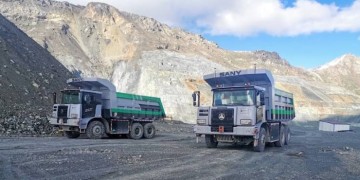
The growth is not limited to passenger vehicles. Commercial EV imports have also increased significantly over the past year.
Although electric passenger cars have gained popularity in Nepal over the past five years, the adoption of electric commercial vehicles was relatively slow. However, imports in this segment have picked up considerably in recent quarters.
Over the past five quarters, passenger EV imports have increased by around 2.5 times, while commercial EV imports have grown sixfold.

Passenger EV imports increased from 2,532 units in the first quarter of FY 2025/26 to 6,488 units in the first quarter of the current fiscal year. Imports stood at 2,411 units in the second quarter, 1,908 units in the third quarter and 4,018 units in the fourth quarter of the previous fiscal year.
Similarly, commercial EV imports rose from just 253 units in the first quarter of FY 2025/26 to 1,599 units in the corresponding quarter of the current fiscal year. Imports stood at 674 units in the second quarter, 839 units in the third quarter and 2,060 units in the fourth quarter.
Government policies supporting electric mobility, tax incentives, lower operating and maintenance costs compared to petrol vehicles, and the gradual expansion of charging infrastructure have encouraged more consumers to choose EVs.
As demand continues to grow, vehicle imports have also gained pace.
According to data from the International Energy Agency (IEA) and Ember, Nepal ranked second globally in EV penetration in 2025. EVs accounted for 73 percent of every 100 new cars sold in the country that year.
The share of electric vehicles in Nepal’s new car market is expected to increase further this year.