KATHMANDU: Vehicle purchases through bank and financial institution loans have increased in the first four months of the current fiscal year 2025/26 (mid-July to mid-November), according to Nepal Rastra Bank (NRB).
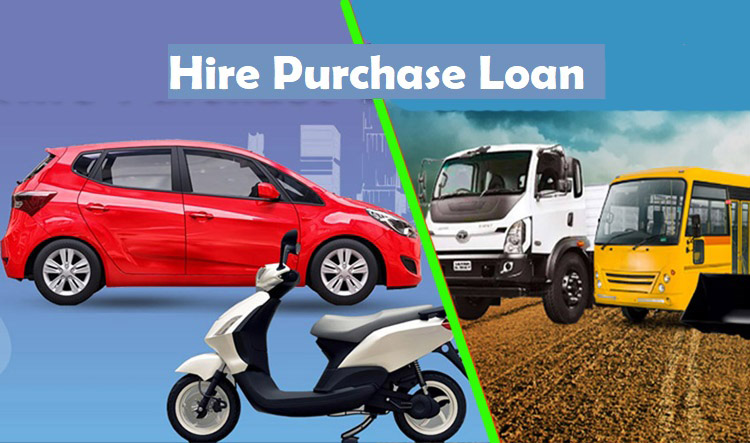
NRB data released on Monday shows that hire-purchase lending for vehicles rose by 1.3 percent during the review period. By mid-November, banks and financial institutions had disbursed a total of Rs 1.64 billion in hire-purchase loans.
As of mid-July, outstanding hire-purchase loans stood at Rs 128.69 billion, which increased to Rs 130.34 billion by mid-November, indicating a gradual recovery in credit growth as economic activity improves.
Auto market gains momentum
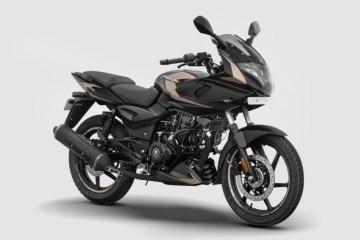
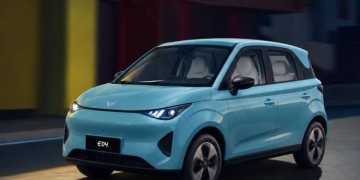
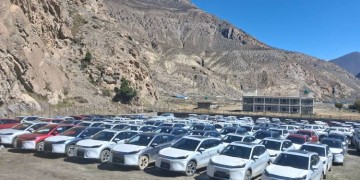
The automobile sector has shown clear signs of revival, supported by higher vehicle imports and sales. In the first four months of the fiscal year, Nepal imported 5,666 units of cars, jeeps, and vans. In addition, more than 100,000 units of two-wheelers and over 2,000 units of minibuses, microbuses, buses, and trucks were imported, according to Customs Department data.
Lower interest rates have also supported demand. Bank lending rates have fallen to their lowest level in nearly a decade, with vehicle loans available at around 6–7 percent. Excess liquidity in the banking system has encouraged banks to offer attractive financing schemes, further boosting vehicle purchases through loans.
Commercial vehicles lead loan disbursement
Loan demand for commercial vehicles has remained stronger than for private vehicles. In the four-month period, banks disbursed Rs 1.02 billion in loans for commercial vehicles, compared to Rs 619.2 million for private vehicles.
During the same period, loan growth for private vehicles stood at 1.5 percent, while commercial vehicle loans grew by 1.2 percent.
By mid-November, outstanding loans for commercial vehicles increased to Rs 87.13 billion, up from Rs 86.10 billion at the end of the previous fiscal year. Meanwhile, loans for private vehicles rose from Rs 42.58 billion to Rs 43.20 billion.
The data suggests that improving economic conditions and favorable financing have driven stronger demand, particularly for vehicles used in commercial and business activities.