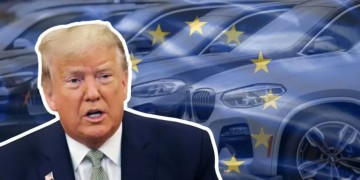
KATHMANDU: The European Union is preparing to soften its 2035 ban on new petrol and diesel cars amid pressure from automakers and key member states, including Germany and Italy.
According to global media reports, the European Commission may allow carmakers to continue producing a limited number of combustion-engine vehicles after 2035, instead of enforcing a complete phase-out.
Under the proposed revision, manufacturers could be permitted to produce vehicles equal to about 10 percent of their 2021 emission levels, subject to conditions. These may include the use of low-carbon or “green” steel. The EU is also considering allowing range extenders, small backup fuel engines for electric vehicles beyond 2035.
The move would mark a significant shift from the EU Green Deal, where the 2035 ban was designed to push the auto industry fully toward electric mobility. Any changes must still be approved by EU governments and the European Parliament.
Automakers say the EV transition has been slower than expected due to high prices, limited charging infrastructure, and strong competition from lower-cost Chinese EVs. Germany and Italy have supported calls for greater flexibility to protect industry and jobs.
However, France and Spain continue to back the original ban, while environmental groups warn that easing the rules could weaken Europe’s climate leadership.
EV sales in the EU are still rising. From January to October this year, electric vehicles accounted for about 16 percent of new car sales, up 26 percent year-on-year, driven by more affordable models.
The European Commission is expected to present its proposal this week, opening a key policy debate on the future of Europe’s auto industry.