KATHMANDU: While many Chinese automakers are competing to expand their presence in international markets, Geely Group is following a different approach. Instead of relying on a single brand to attract all types of customers, the company has developed a portfolio of brands targeting different market segments, price ranges and technologies.
This multi-brand strategy has helped Geely become one of the most influential automotive groups in the global industry.
Geely Holding Group sold 4,116,321 vehicles worldwide in 2025, marking a 26 percent increase compared to the previous year. More than 2.29 million of those vehicles were New Energy Vehicles, accounting for around 56 percent of its total sales.
The figures highlight the group’s growing focus on electric and new energy vehicles alongside its conventional petrol-powered models.
Different brands for different customers
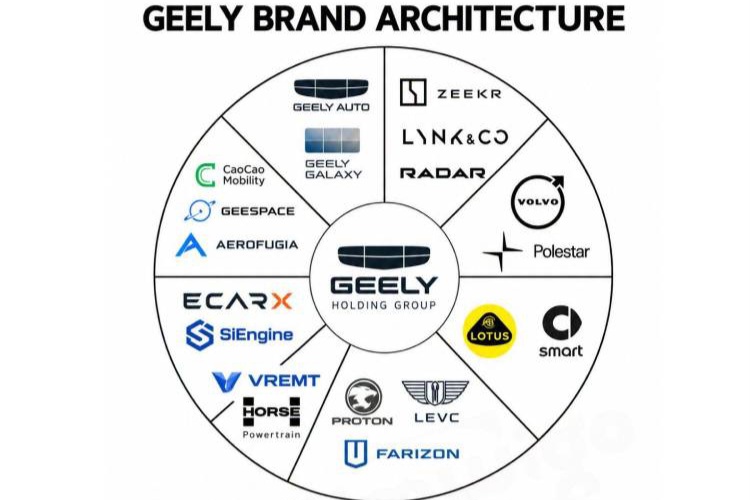
Geely’s brand strategy is largely based on market segmentation. Each brand operates with a distinct identity, targeting customers with different expectations in terms of price, design, performance and technology.
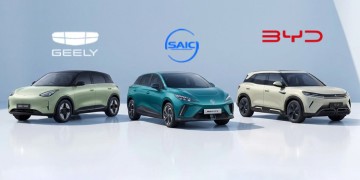
Geely Auto and Geely Galaxy serve the mass-market segment. While Geely Auto offers a wider range of vehicles, Galaxy focuses primarily on new energy vehicles, including electric and hybrid models.
At the premium end, ZEEKR, which is wholly owned by Geely, focuses on luxury electric vehicles with advanced technology and high-end features.
Lynk & Co targets younger and technology-oriented customers through modern designs, connectivity features and electrified powertrains.
The group also has a strong international presence through Swedish brands Volvo and Polestar. Both brands are associated with premium vehicles, safety and electric mobility. Their established presence in international markets, particularly the US, gives Geely access to customers beyond its traditional markets.
Geely also owns Lotus, a British sports car brand focused on high-performance and luxury vehicles.
Its portfolio extends beyond passenger cars. The group has investments in Smart, Proton and LEVC, allowing it to address demand for compact urban vehicles and commercial mobility, particularly in Southeast Asian markets.
Farizon focuses on electric commercial vehicles, including vans and trucks. The group has also invested in engine manufacturing, mobility services through Caocao Mobility and Geespace satellite technology through its involvement in the space industry.
Technology, manufacturing and global expansion
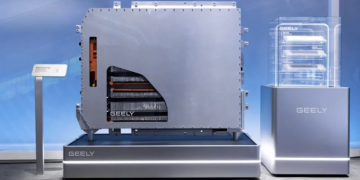
Another important part of Geely’s strategy is investment in technology and product development. Rather than developing separate technologies for each brand, the group is investing in areas such as batteries, electric drive systems, smart cockpits, vehicle electronic architectures and advanced driver assistance systems.
This allows different brands under the group to benefit from shared technological development while maintaining their own product identities.
Geely is also looking beyond vehicle exports to expand its international operations through local manufacturing and partnerships.
The company’s manufacturing activities in Indonesia and Egypt reflect its efforts to establish production facilities closer to international markets. Local manufacturing can help automakers respond to regional demand, improve supply chains and strengthen their presence in individual markets.
Overall, Geely’s strength does not depend on a single successful automotive brand. Its strategy combines multiple brands targeting different customer segments, investments in international automotive companies, shared technology development and local manufacturing.