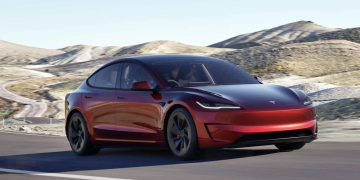
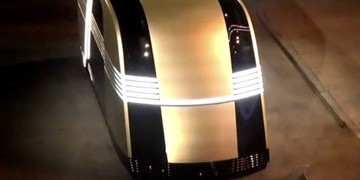
KATHMANDU: Tesla Robotaxi is currently facing limitations with nighttime operation due to difficulties detecting objects in low-light conditions. Elon Musk said the company is working to improve the system’s ability to detect pets on dark roads.
Tesla recently extended Robotaxi operating hours in Austin, Texas, by one hour. The service is now available until 11 PM. Musk said detecting animals that are difficult to see at night is one of the main challenges.
He gave the example of “grey kittens on gray tarmac” to describe the low-contrast conditions that can make objects difficult for camera-based systems to detect.
Cameras rely on available light and visual contrast to identify objects. Lidar, meanwhile, uses laser pulses to measure distance and create a 3D view of the surroundings. Radar uses radio waves and can also provide information about an object’s speed and distance.
Tesla has chosen a camera-based approach for its driver-assistance and autonomous driving systems. The company removed radar from most of its vehicles in 2021 and ultrasonic sensors in 2022. Tesla has also not used lidar in its production vehicles.
Other autonomous driving companies use a combination of cameras, lidar and radar. Waymo, for example, uses all three sensor types in its robotaxi fleet and operates its driverless vehicles around the clock.
Musk has previously criticized lidar and argued that cameras and neural networks can provide a general solution for autonomous driving. However, his latest comments highlight the challenges Tesla is working to address as it expands Robotaxi operations into nighttime hours.