KATHMANDU: Nepal has emerged as one of the world’s fastest-growing electric vehicle (EV) markets. EVs now account for around 72 percent of new passenger car sales, making the country a global example of rapid EV adoption.
Government incentives, lower operating costs, competitive pricing, and the expansion of charging infrastructure have all contributed to the growing popularity of EVs in Nepal.
The country’s progress has also drawn international attention. Global automakers are increasingly looking at Nepal’s EV experience, with some hiring Nepali professionals for their technical expertise.
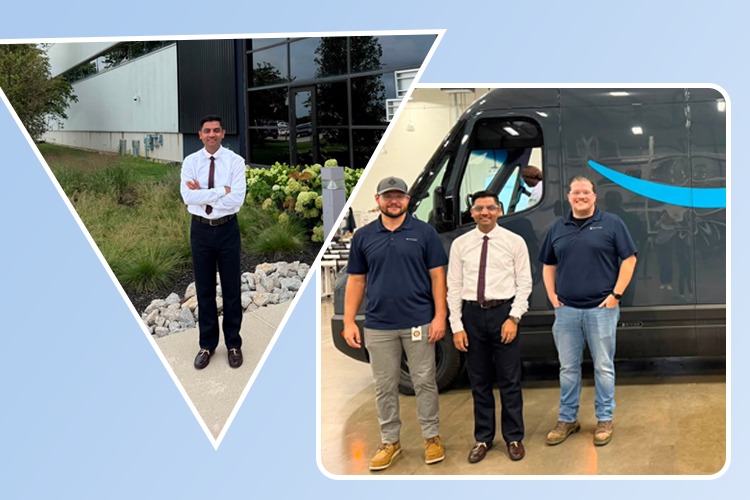
One such example is Prabesh Poudel, a mechanical engineer from Tanahun. Poudel has been appointed as a consultant by US electric vehicle manufacturer Rivian for a two-year term, beginning in June 2026.
Poudel has more than 15 years of experience in Nepal’s automobile industry. He holds a bachelor’s degree in Mechanical Engineering from Punjab Technical University in India and an MBA from Universiti Kuala Lumpur in Malaysia.
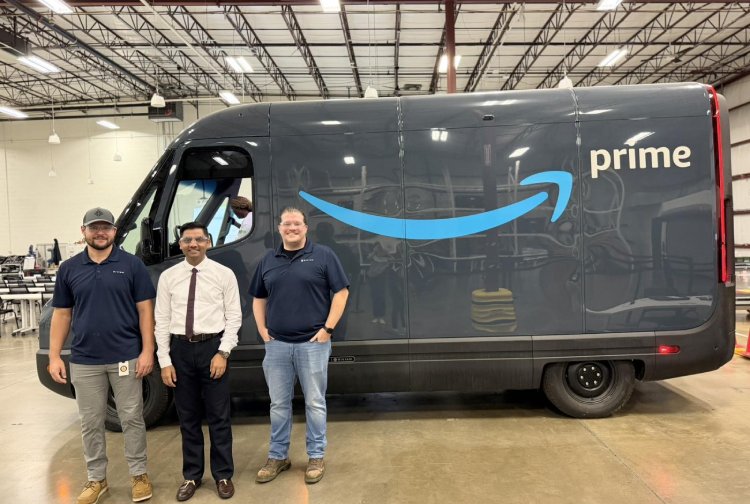
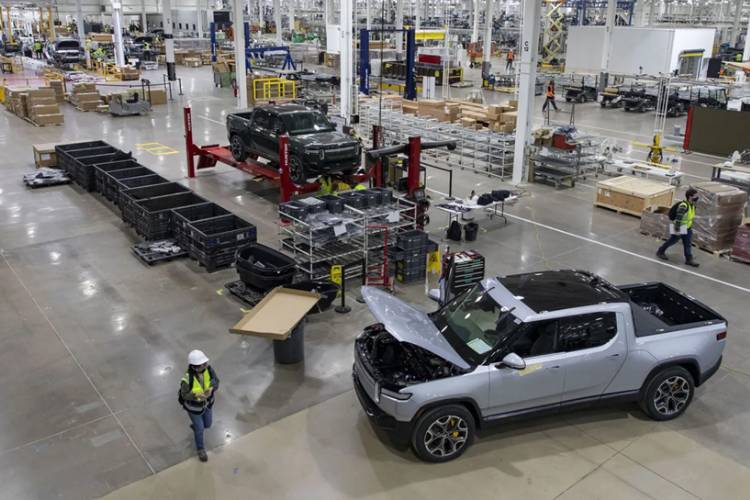
Rivian is one of the leading US manufacturers of electric pickup trucks and SUVs. The company is known for its off-road-focused EVs, advanced technology, safety standards, and high-performance vehicles.
Poudel has been involved in research and technical work related to EV technology, repair systems, and workforce development. According to him, Nepal’s rapid EV adoption has become a subject of interest for major global automotive markets.
“Nepal’s EV growth is remarkable. The country has achieved in a short period what many larger markets are still working towards,” Poudel said. “Rivian appointed me after observing Nepal’s EV success. Over the next two years, I will work on technical skill development, EV repair systems, and related areas.”
He said he is currently working with Rivian’s technical teams and production facilities. His role includes supporting the company’s repair support team and helping improve EV maintenance systems to make them more efficient, faster, and customer-focused.
His work will focus on emerging EV technologies, high-voltage systems, battery safety, diagnostic processes, and customer service experience.
Poudel believes the shortage of skilled EV technicians is becoming a common challenge in countries with growing EV adoption, including Nepal and the United States. He said greater investment in technical training and workforce development is necessary.
“As EV adoption increases, so do the challenges. Both Nepal and the US need more skilled EV repair technicians,” he said. “Nepal’s experience and Rivian’s practices can complement each other in developing technical manpower and improving EV servicing.”
He will also share his experience on vehicle maintenance processes, diagnostic systems, roadside assistance services, and vehicle towing systems with Rivian’s engineering teams.
Poudel believes the collaboration will create new opportunities for Nepal by strengthening technical capabilities, expanding international cooperation, and supporting the development of skilled EV professionals.
Drawing on his experience in Nepal’s hybrid and electric vehicle service sector, including accident management and towing services, he will also contribute practical insights on customer issues, emergency response, and service efficiency.
According to Poudel, the success of electric vehicles depends not only on manufacturing but also on effective maintenance, reliable roadside assistance, and the availability of skilled technicians. He said his collaboration with Rivian is expected to contribute to the development of future EV service systems.