KATHMANDU: Plug-in hybrid electric vehicles (PHEVs) are often described as offering the best of both worlds. They can run on electric power for short trips and use a petrol engine for longer journeys.
However, some reliability studies have found that PHEVs can have more problems than fully electric vehicles. The main reason is the extra mechanical and electrical components used in a plug-in hybrid.
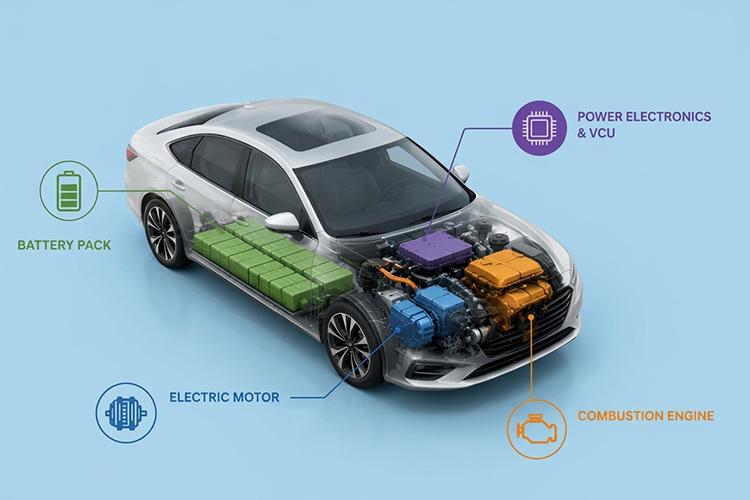
A PHEV has a battery and electric motor like an EV. But it also has a petrol engine, transmission, fuel system and exhaust system. This means there are more components that can potentially develop problems.
PHEVs also usually have smaller batteries than fully electric cars. When driven regularly in electric mode, their batteries can go through more charge and discharge cycles over the same distance.
However, the number of charging cycles is not the only factor that affects battery life. Battery chemistry, temperature, charging habits and the battery management system also play an important role.
Recent battery-health data does not show a major difference between PHEVs and EVs. One 2026 analysis found an average battery state of health of 94.27% for PHEVs, compared with 94.94% for EVs.
Battery failures are also relatively uncommon in modern plug-in vehicles. The U.S. Department of Energy reported that battery replacements due to failure were below 1% for model-year 2016-2023 plug-in vehicles, excluding recalls.
The way a PHEV is used can also affect its battery. Regular charging allows owners to make better use of the electric system. It is also better to follow the manufacturer’s recommended charging practices.
Temperature is another factor. Very high or very low temperatures can affect battery performance and long-term degradation. Modern PHEVs use battery management and thermal management systems to control these conditions.
The biggest difference between a PHEV and an EV is the overall complexity. An EV has a relatively simple electric powertrain. A PHEV combines that system with a conventional petrol powertrain.
This extra complexity can lead to more maintenance and repair points over the life of the vehicle. Consumer Reports has also found that PHEVs tend to report more reliability problems than fully electric vehicles in its recent surveys.
So, it is not accurate to say that PHEV batteries simply fail more often than EV batteries. The bigger issue is that PHEVs have two power systems working together, which makes the vehicle more complex than a pure EV.