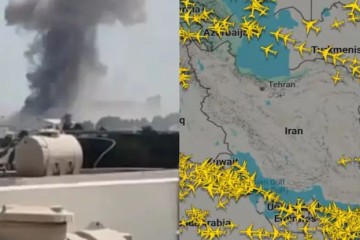
KATHMANDU: Global oil prices are rising after the United States and Israel launched military strikes on Iran, escalating tensions across the Middle East and raising concerns about potential disruptions to global crude supply.
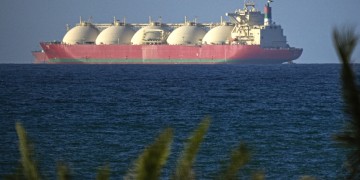
A major focus of the market is the Strait of Hormuz, one of the world’s most critical energy chokepoints. Around 20 percent of global oil supply passes through the strait each day, connecting the Persian Gulf with international markets. Major exporters such as Saudi Arabia, Iraq, and the United Arab Emirates ship most of their crude through this route.
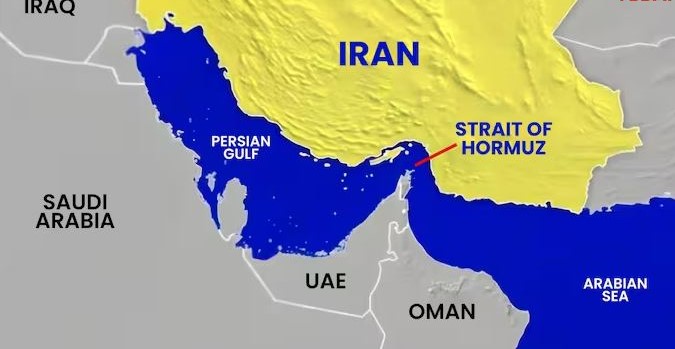
Despite rising tensions, analysts say Iran has limited incentive to attempt closing the Strait of Hormuz because such a move would also disrupt its own oil exports. It would also affect shipments to China, which remains one of Iran’s largest oil customers.
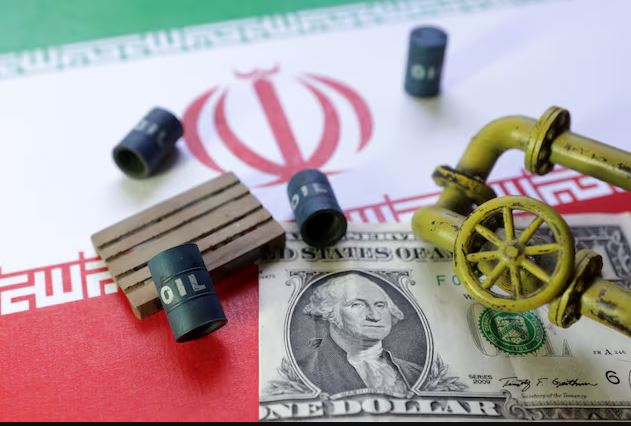
Oil markets have already reacted to the geopolitical risks. According to Barclays, Brent Crude settled at around $72.48 per barrel on Friday, up nearly two percent. Analysts say the benchmark could rise to about $80 per barrel if supply disruptions occur in the region.
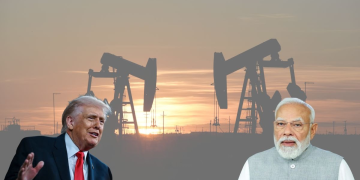
The price increase could also affect energy-importing countries such as India. India imports more than 80 percent of its crude oil requirements from global markets, including large volumes from the Middle East. Higher international prices typically lead to increased fuel costs and pressure on domestic fuel pricing.
For Nepal, the impact could be indirect but significant. Nepal is fully dependent on petroleum imports from India through Indian Oil Corporation, which supplies fuel to Nepal Oil Corporation under a bilateral agreement. If global crude prices increase and India adjusts its domestic fuel pricing, Nepal’s import costs are also likely to rise.
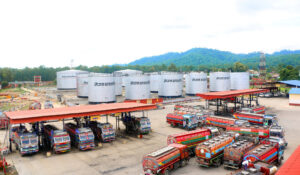
Higher fuel costs could affect transportation, logistics, and the automobile sector in Nepal. Rising petrol and diesel prices typically increase vehicle operating costs, influence consumer demand for fuel-efficient vehicles, and raise overall transportation expenses across the economy.
Analysts say the oil market currently includes a geopolitical risk premium due to military tensions in the Middle East, limited spare supply capacity, and tight global inventories. Market movements in the coming weeks will largely depend on whether the regional conflict escalates further or stabilizes.