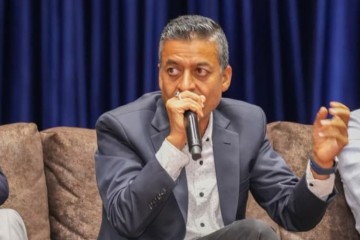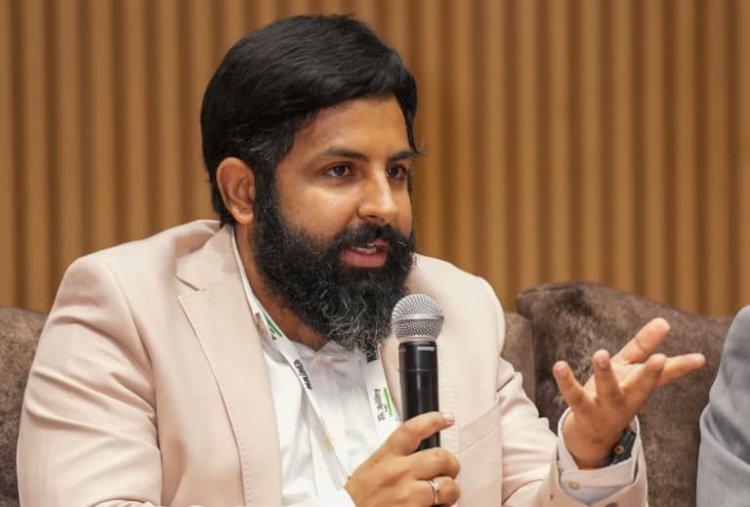
KATHMANDU : Making automobile businesses responsible for recycling electric vehicle batteries may not be practical, according to Karan Khurana, founder and CEO of Indian battery recycling company ReBAT.
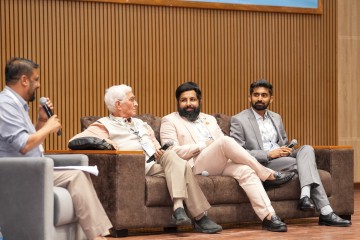
Khurana made the remarks during a discussion on ‘Battery Recycling and Ethanol Blending in Fuel’ organized by the Nepal Automobile Importers and Manufacturers Association (NAIMA) on Friday.
He said battery recycling is not part of the core business of automobile importers. Therefore, assigning them direct responsibility for recycling could create practical challenges.
Nepal does not currently have a dedicated battery recycling industry. Most battery recycling activities are carried out outside the country.
Khurana said the issue of used EV battery management is becoming increasingly important as Nepal’s electric vehicle market continues to grow.
He said Nepal faces unique challenges in battery collection and tracking due to its geography and open border with India.
According to Khurana, lead-acid and other batteries are sometimes transported illegally from Nepal to India. He said some sellers may avoid issuing VAT bills by moving used batteries across the open border through unofficial channels.
He said developing a battery recycling ecosystem would be relatively easier in Kathmandu. However, collecting and transporting batteries from remote and mountainous areas would be more challenging.
Khurana suggested establishing authorized battery collection centers along major highways. This could help improve the collection and tracking of used batteries across the country.
He also said the government should focus on creating clear rules and guidelines instead of making every part of the recycling process mandatory for businesses.
On lithium-ion batteries, Khurana said the battery packs need to be dismantled and separated into materials such as plastic, aluminum and copper.
He said Nepal currently does not have the technology to recycle black mass from lithium-ion batteries. However, black mass could be processed and exported to India or other countries, creating additional value from used batteries.
Khurana said Nepal needs a structured battery collection and recycling system as the number of EVs and used batteries continues to increase.