KATHMANDU: Nepal and India have reached several key agreements to improve cross-border connectivity during Prime Minister Balendra Shah’s official visit to India.
The agreements cover air routes, railway development, port access and passenger rail services. One of the major developments is India’s agreement to make the existing Kathmandu-Bhairahawa-Lucknow air route available for two-way operations.
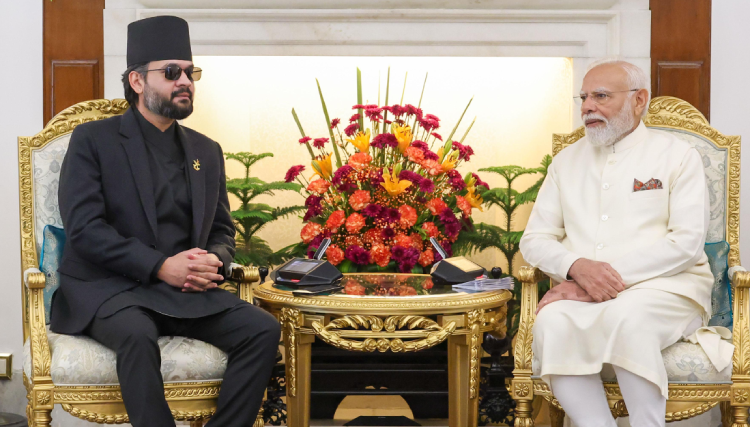
Following a meeting between Prime Minister Shah and his Indian counterpart Narendra Modi, both countries issued a 24-point joint statement outlining areas of cooperation.
The four major connectivity agreements are:
- Two-way operation of the Bhairahawa air route
Both countries have agreed to make the existing B345 Kathmandu–Bhairahawa–Lucknow air route available for two-way operations. The agreement is expected to improve air connectivity and support the growth of Bhairahawa’s Gautam Buddha International Airport.
Technical discussions will be held to finalize the required procedures and address other aviation-related proposals.
- Cooperation in railway development
The two countries announced the completion of the field location survey for the proposed Raxaul-Kathmandu electric broad-gauge railway project.
They also agreed to cooperate in the development of Nepal’s East-West Railway network.
- Access to two Indian ports
India has announced a new transit route for Nepal’s trade through Deendayal Port in Kandla, Gujarat.
Nepal will also get access to Paradip Port in Odisha once the required infrastructure is in place. The agreement is expected to provide Nepal with additional options for international trade.
- Ayodhya-Janakpur passenger train service
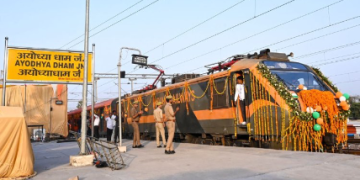
The two prime ministers jointly flagged off the first Sarayu-Kamala Express passenger train service between Ayodhya and Janakpur.
The service is expected to make travel between the two religious cities easier. It will also promote religious and cultural tourism under the Ramayana Circuit and strengthen people-to-people ties between Nepal and India.
In addition to these agreements, both leaders stressed the need to improve cross-border infrastructure through new railway lines, bridges, Integrated Check Posts (ICPs) and petroleum pipelines. They also highlighted the importance of upgrading infrastructure in border areas.