KATHMANDU: Chinese automotive engineers have identified 10 technologies expected to see wider use in 2027. The list includes solid-state batteries, vehicle-to-grid technology, lightweight body parts, autonomous trucks and AI-powered car cabins.
The technologies were announced at the 33rd China Society of Automotive Engineers Annual Congress in Suzhou.
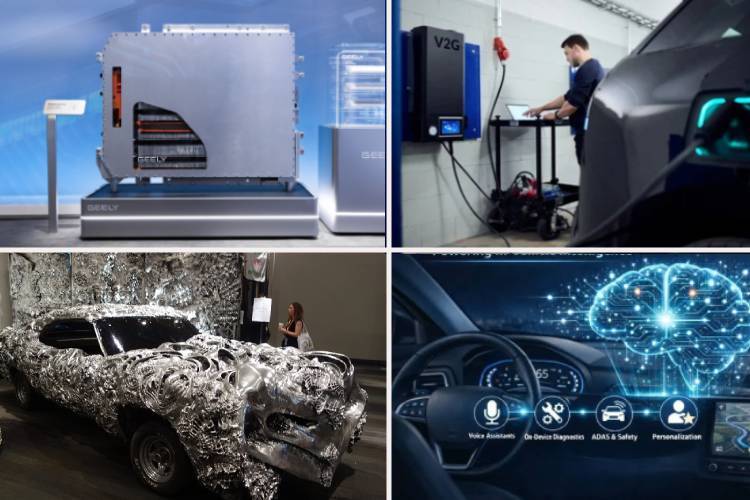
The first trend is solid-state batteries with an energy density of 400 Wh/kg. These batteries are expected to enter pilot production in 2027. They could offer better safety and work across a wider range of temperatures. Leading companies are also expected to test them in vehicles.
The second trend is the mass production of microcontroller units (MCUs) based on RISC-V technology. These chips can be used to control different vehicle systems, including the powertrain, brakes and safety features.
The third is integrated vehicle motion control. This technology will help systems such as steering and braking work together more smoothly, improving vehicle control and driving performance.
The fourth is vehicle-to-grid (V2G) technology, which allows electric vehicles to send electricity back to the power grid. It could help balance electricity demand and make power systems more stable.
The fifth trend is the use of large body parts made from die-cast magnesium alloy. Components such as rear floor sections and tailgate structures could help reduce vehicle weight by around 20%, depending on the design.
The sixth is the start of demonstration operations for large fleets of autonomous trucks. These vehicles are expected to be tested in areas such as ports, mines and railway facilities, where they could help move goods more efficiently.
The seventh trend is in-wheel electric drive technology, which places the electric drive system inside the wheel. This design could save space and improve power delivery and vehicle control.
The eighth is the use of AI models with 14 billion parameters in car cabins. Running these models directly inside vehicles could reduce reliance on cloud services, improve data privacy and allow cars to handle more complex tasks.
The ninth trend is the wider use of connected driver-assistance systems that combine information from the vehicle and the cloud. These systems are expected to help improve driving safety.
The final trend is metal 3D printing, which could help manufacturers produce complex vehicle parts and develop new body designs more easily.