KATHMANDU: China is rapidly expanding the use of artificial intelligence (AI) in manufacturing, with Seres emerging as a key example. Based in Chongqing, the company operates in a city that produced around 2.5 million vehicles between January and November 2025, highlighting strong industrial growth, according to the company.
Founded in 1986, Seres has partnered with Huawei to produce smart electric vehicles under the Aito brand. While Seres focuses on manufacturing, Huawei provides digital systems such as intelligent cockpits and driver assistance features.
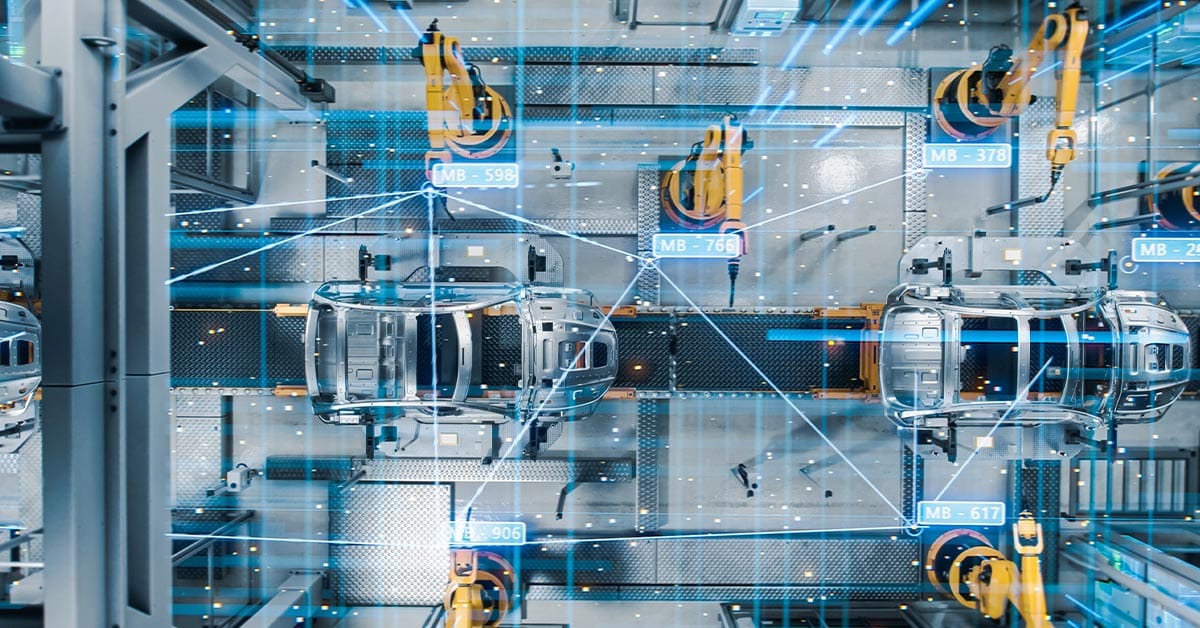
The company’s AI-powered “super factory” runs with high automation. Huawei’s Industrial Brain manages production in real time, supported by digital dashboards and simulations. Over 3,000 robots handle tasks like welding and painting, significantly reducing manual work.
AI is also used in quality control. Camera-based systems inspect components like underbody bolts with up to 99.9 percent accuracy, cutting inspection time from minutes to seconds. Complex wiring systems are checked using AI-based image analysis.
The factory is further supported by strong supplier integration. Key suppliers operate within the facility, while others are digitally connected, improving coordination and reducing delays.
For Nepal, this model offers clear lessons. With rising EV adoption, the focus can now shift beyond imports. Importers can start introducing knock-down kits and gradually develop local EV assembly, similar to current two-wheeler operations.
Starting with small-scale assembly and basic automation can help lower costs, strengthen supply chains, and create jobs, while reducing long-term import dependency.
This model suggests that, relying only on tax benefits is not sustainable. Greater local value addition, supported by industrial policies and technology platforms, will be key.