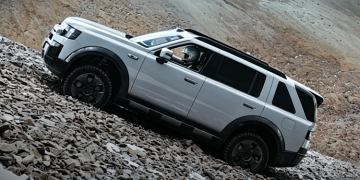
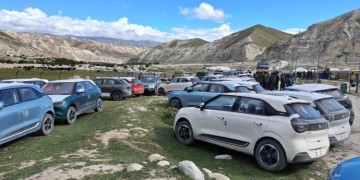
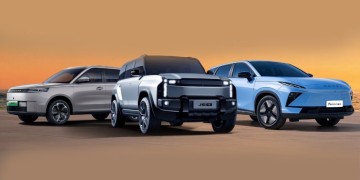
In recent months, Nepal has made headlines in major international publications like Bloomberg, InsideEVs and The New York Times, not for mountaineering or tourism, but for something far more futuristic: its rapid shift to electric vehicles (EVs).
For much of the world, Nepal has emerged as an unlikely leader in the global EV revolution.
While many international media still picture our streets full of buzzing motorcycles and smoky microbuses, global media outlets have painted a different, electrified image of Nepal. The numbers speak for themselves: 76% of all passenger vehicles sold in Nepal in 2024 were electric — behind only Norway, Singapore and Ethiopia. For a country where the EV market was virtually nonexistent five years ago, this is nothing short of remarkable.
Reputed US media outlet Bloomberg recently carried a news report titled “The Whole World Is Switching to EVs Faster Than You” in which it positioned Nepal alongside other developing nations that are “surging ahead” in EV adoption, even outpacing parts of Europe and the US. The report highlights how, in some import-dependent countries, electric vehicles dominate the market. In Nepal’s case, more than three-quarters of vehicle imports in 2024 were purely electric.
Bloomberg credits Nepal’s shift to EVs to a mix of economic and strategic factors like high taxes on petrol and diesel cars, cheaper Chinese EV imports and lower running costs — a crucial point in a market where many vehicles are used for taxis and goods transport. It also warned that while subsidies have been key to this success, political and policy instability could slow momentum if not handled carefully.
InsideEVs, a news portal dedicated to EV innovations and use, recently covered increased EV adoption in its news story titled “From Ethiopia to Nepal — The EV Boom You Didn’t See Coming”.

The publication took a closer look at Nepal’s position in the global EV rankings, calling it “surprising” to see our small Himalayan nation ahead of many wealthy countries in electric adoption rates. The story recalls how the 2015 Indian blockade forced Nepal to rethink its energy strategy, pushing the country toward hydropower investment and away from dependence on imported petroleum.
The news report noted that government incentives ranging from sharply reduced import duties on EVs to preferential electricity rates for charging have made electric cars cheaper than many fuel-powered alternatives. It also praised Nepal’s growing charging infrastructure and the role of Chinese EV manufacturers, who have found a thriving market here.
InsideEVs also mentions a symbolic shift: electric taxis, police vehicles, and government buses now roam Kathmandu’s streets. It termed China’s offer to donate 100 electric buses as both an environmental boost for Nepal and a geopolitical play.
Leading US publication, The New York Times, did an extensive coverage of EV adoption and ecosystem in Nepal under the headline “The Country Where 76% of Cars Sold Are Electric”.

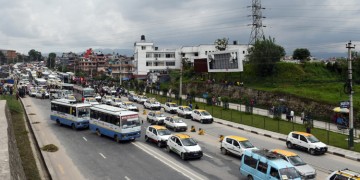
The publication offered the most detailed portrait, weaving statistics with street-level observations from Kathmandu. Its report contrasts the city’s narrow, exhaust-choked streets with the quiet hum of newly arrived EVs. It described gleaming showrooms, roadside charging stations and green-painted electric buses as signs of a transportation revolution in progress.
The NYT also highlighted the scale of transformation: from nearly zero EV sales five years ago to dominating the passenger car market today. It praised Nepal’s hydropower advantage, which makes EV charging both clean and cheap, and outlined the government’s decisive tax reforms — a maximum 40% duty on EVs compared to up to 180% on fuel-powered cars.
However, the article also raised cautionary notes. It said policy shifts, rising tariffs and lack of battery recycling plans could undermine Nepal’s progress. The publication quoted local industry leaders urging stability and long-term commitment, warning that political turnover has already led to changes in incentives.
The piece ends on an optimistic but realistic note: If Nepal can expand electric public transport, manage its motorcycle-heavy roads, and maintain consistent policy, the next five years could transform Kathmandu Valley’s traffic and air quality in ways few imagined possible.
Global Takeaway
One message clearly stands out across all three publications: Nepal is no longer just a passive participant in global technology trends, it is a case study in how developing nations can leapfrog into cleaner, cheaper transportation.
For international audiences, Nepal’s EV success is remarkable precisely because it defies the stereotype that only rich nations can lead in green technology. For us, it is a reminder that with the right mix of policy, infrastructure and public will, we can shape our own energy future and, in doing so, shape how the world sees us.