KATHMANDU: Nepal imported more than 10,000 units of cars, jeeps, and vans in the first eight months of the current fiscal year 2025/26 (mid-July to mid-March), according to data released by the Department of Customs Nepal.
As of mid-March, total imports reached 10,262 units, including both electric and petrol vehicles. This represents a 6.81 percent increase, or 655 units, compared to 9,607 units imported during the same period last fiscal year.
In monetary terms, total vehicle imports stood at Rs 18.64 billion, generating Rs 17.39 billion in revenue for the government.
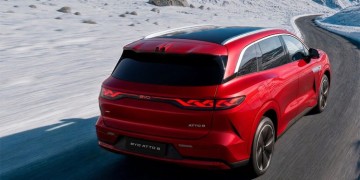
Despite the overall growth, electric vehicle (EV) imports declined by 9.74 percent. A total of 6,098 EVs were imported during the review period, down from 7,089 units last year. The total value of EV imports reached Rs 14.96 billion, contributing Rs 9.81 billion in revenue.
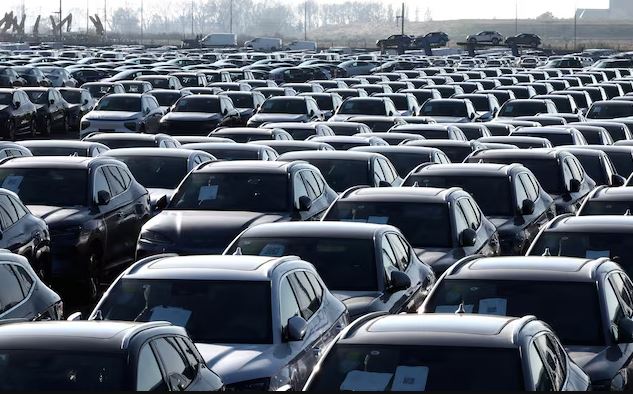
The decline in EV imports is largely attributed to higher stock levels. Ahead of the current fiscal budget, importers had rushed to bring in nearly 6,000 EV units amid expectations of tax hikes. Many of these vehicles remain unsold, affecting fresh imports.
Segment-wise, Nepal imported 2,198 units of EVs up to 50 kW, 3,672 units in the 51-100 kW category, 519 units in the 101-200 kW range, and 7 units above 200 kW. Additionally, two unassembled EV units under 50 kW were also imported.
Meanwhile, petrol vehicle imports saw a sharp rise during the same period. A total of 3,864 petrol cars were imported, marking a 53.45 percent increase compared to 2,518 units last year. The growth is attributed to rising demand for internal combustion engine (ICE) vehicles in the market.
Among brands, Hyundai dominated petrol car imports. Out of the total, 1,794 units were imported in unassembled form. Currently, Hyundai is the only automaker assembling four-wheelers in Nepal, producing models such as the Creta and Venue locally.