KATHMANDU: Nepal’s automobile sector remains one of the key contributors to government revenue, but it continues to face persistent political instability. Businesses often struggle to operate within an uncertain framework, where even compliant players are unable to make long-term investment decisions with confidence.
Each year, the national budget significantly impacts the sector, frequently altering tax structures and disrupting business planning. Consumers are also directly affected, with vehicle prices fluctuating sharply depending on the timing of purchase around the budget announcement.
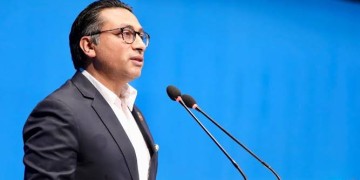
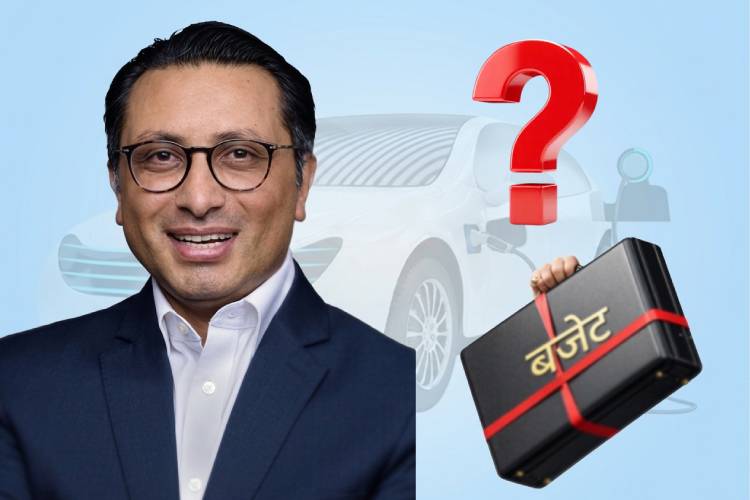
Finance Minister Dr. Swarnima Wagle is presenting the budget for the upcoming fiscal year 2026/27 (2083/84) in Parliament today. With the Rastriya Swatantra Party (RSP) now leading the government, the budget is seen as an opportunity to introduce clear economic direction. For the auto sector, it presents both a challenge and an opportunity to address long-standing distortions and establish a stable policy framework.
A key issue remains the high tax burden on vehicles. Traditionally treated as luxury goods, vehicles continue to attract high taxes. However, there is a growing demand to recognize them as essential mobility tools and revise taxation accordingly. Stakeholders argue that the sector should move beyond being a major revenue source and instead be positioned as a contributor to broader economic growth.
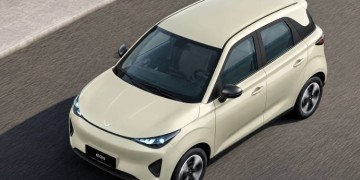
While the government has introduced tax incentives for electric vehicles, frequent changes in rates have created uncertainty. A stable policy, particularly a commitment to fixed EV tax rates for a defined period such as five years, is widely expected by the industry.
The current EV taxation system, based on motor power, has also faced criticism. The Office of the Auditor General has reported around Rs 5.75 billion in irregularities over the past two years linked to motor power assessments conducted without scientific verification. There is increasing pressure to adopt a more practical taxation model, potentially shifting towards vehicle size and value.
Hybrid vehicles, considered suitable for Nepal’s diverse terrain, are currently taxed at levels similar to internal combustion engine vehicles. Industry stakeholders suggest revising this approach and extending incentives to hybrids, similar to EV policies.
Although EV adoption is rising in the small vehicle segment, large electric buses remain largely absent due to high upfront costs. The government is expected to play a role through subsidies, direct investment, or incentive programs to encourage adoption in public transport.
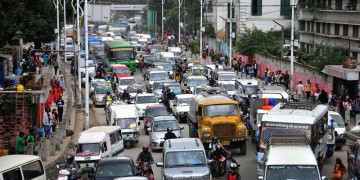
The current suspension on new public vehicle registrations also remains a concern. Policy direction is needed to prioritize larger, more efficient public transport vehicles. In the taxi segment, stakeholders continue to call for the removal of syndicate practices and reopening of new registrations.
The sector also faces structural challenges, including under-invoicing, import of substandard spare parts, and lack of price transparency. Strengthening customs valuation systems and introducing digital, transparent processes are seen as necessary steps.
Charging infrastructure development remains limited despite growing EV adoption. As public investment alone may not be sufficient, the budget is expected to include measures to attract private sector participation in expanding charging networks.
With more than 10,000 EVs being added annually, battery waste management is emerging as a future challenge. The government is expected to introduce clear policies on EV battery recycling and disposal, along with incentives to establish domestic processing facilities.
The government has also been promoting domestic vehicle assembly through tax incentives. However, stakeholders emphasize the need for more practical and sustainable policies that can generate employment, support technology transfer, and attract global manufacturers, while ensuring benefits for both the state and consumers.
Dr. Wagle is widely regarded as a capable and decisive policymaker. The upcoming budget carries high expectations from the auto sector and is expected to deliver more than routine tax adjustments. Stakeholders are looking for clear, practical reforms that address existing challenges and reduce long-standing policy uncertainty. This budget presents an opportunity to correct structural distortions and establish a stable, long-term policy foundation for the sector’s growth.
Best wishes,