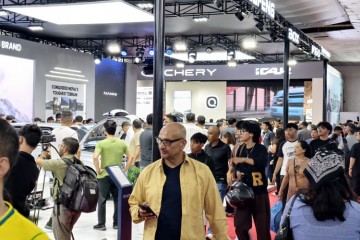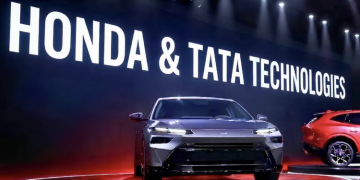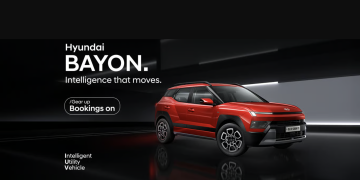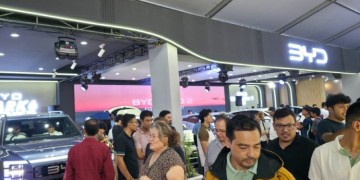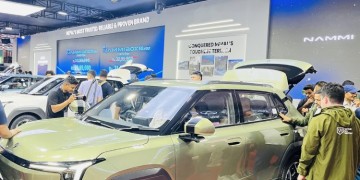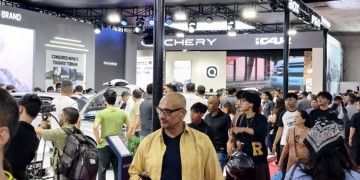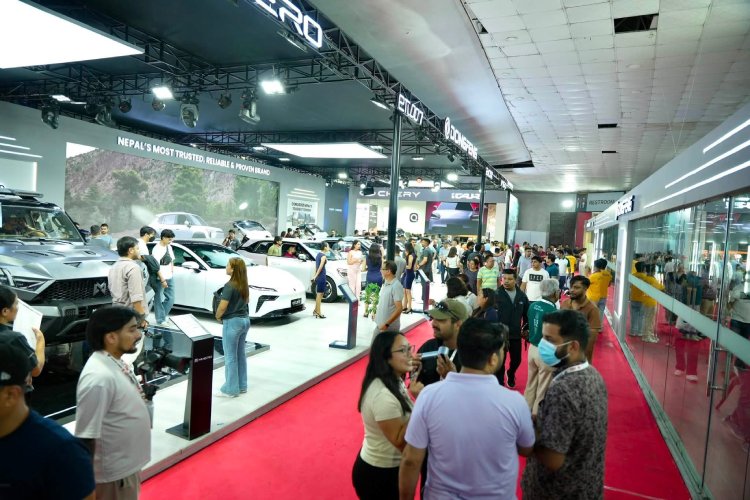
KATHMANDU: The NADA Auto Show 2026 is underway at Bhrikutimandap, Kathmandu. A total of 53 automotive brands are displaying their vehicles at the event.
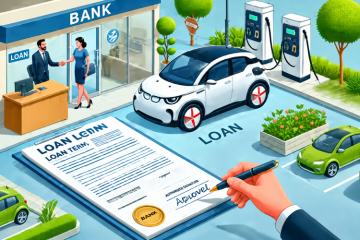
With dozens of brands, new models and attractive discount offers under one roof, the auto show has become an opportunity for people planning to buy a new car. Banks and financial institutions have also introduced attractive schemes with lower interest rates to make vehicle financing easier.
The show has attracted a large number of visitors looking to explore, book or buy new vehicles. However, the wide range of models, attractive designs and discount offers can also make it difficult for buyers to choose the right car.
If you are clear about these eight key points, choosing a car that suits your needs can become much easier.
- Set your budget:
Your buying capacity is determined by your budget. So, first decide how much you can spend on a car. Consider your bank balance and regular income before setting the budget.
While preparing the budget, consider more than just the vehicle price. Include insurance, taxes, running costs and monthly installments. This will give you a clear idea of your monthly expenses before buying the car.
Once you have fixed the budget, focus on cars within that price range.
- Identify your needs:
First, determine why you need a car. Decide whether it will be used for daily office travel, family use, long-distance trips or commercial purposes.
Different types of vehicles are available for different needs. If you need a car mainly for daily commuting and regular family trips in the city, a hatchback or compact SUV can be suitable.
For off-road use, hilly roads or long-distance travel with family and luggage, a mid-size, full-size or off-road SUV with higher ground clearance can be more practical.
If you are looking for a car mainly for comfort and premium appeal, a sedan or luxury vehicle can be considered.
- Focus on practicality:
The auto show has cars with modern designs and attractive looks. A vehicle may immediately catch your attention because of its exterior.
However, practicality is more important for daily use. Check the interior space, seat comfort, boot space and storage areas. Also look at how easily the doors can be opened and how convenient the vehicle is to use.
A car should not only look good. It should also be comfortable and practical for everyday use.
- Choose the right powertrain:
The use of electric vehicles is growing in Nepal. More than two-thirds of the vehicles displayed at the auto show are EVs.
If you want to reduce fuel costs, mainly drive in urban areas and experience newer technology, an EV can be a good option.
However, EV use is not yet practical everywhere in Nepal due to factors such as charging infrastructure and driving range. In such cases, an internal combustion engine or hybrid vehicle can be a more practical option.
If you are buying an EV, pay attention to motor power, battery capacity and range. For combustion-engine vehicles, check engine capacity and fuel mileage.
- Check safety features:
Design and performance are not the only things to consider when buying a car. You should also know how safe the vehicle is.
Basic features such as airbags and ABS are essential. You should also check for modern safety features such as brake assist, blind-spot monitoring, cruise control, speed warning and ADAS.
- Understand the dealer, warranty and service:
New automotive brands are entering the Nepali market rapidly. Many new businesses are now involved in vehicle sales.
In such a situation, check the dealer’s track record. Find out whether the dealer can provide proper after-sales service and spare parts support.
You should also check how many service centers the brand has across the country. These factors will determine whether the warranty offered by the company can be effectively implemented in practice.
If you are buying an EV, also check the brand’s charging network.
- Do not follow discounts blindly:
Dealers have introduced several discount offers to attract customers at the auto show. Some offers are worth hundreds of thousands of rupees. There are also offers on insurance, taxes and foreign trips.
However, buyers should check whether the discount is genuine or simply a marketing strategy. Compare the vehicle’s price, features and discount with competing models.
If a vehicle is priced higher than its competitors and then offered with a large discount, the discount may simply be a marketing strategy. If the vehicle is reasonably priced even before the discount, the offer can be more beneficial.
Similarly, low down payments and low monthly installments promoted by banks may look attractive. But a longer loan period can increase the total interest cost.
Do not look only at the monthly installment. Calculate the total amount you will pay by the end of the loan period.
- Do not make an immediate decision:
The auto show brings dozens of vehicle brands together in one location. Shortlist at least three or four cars based on your budget, needs and preferences.
Then take a test drive. Experience the vehicle’s visibility, ride comfort, suspension and ground clearance yourself.
Finally, compare the shortlisted vehicles based on price, features and your test drive experience. Only then should you make the purchase decision.
Conclusion:
The most suitable car is not necessarily the most expensive, biggest or most feature-packed vehicle. The right car is one that matches your budget, family needs, daily travel, road conditions, service availability and future running costs.
Therefore, while choosing a car at the auto show, consider its price, practicality, running costs, features, after-sales service, warranty, spare parts availability, dealer track record and resale value.