KATHMANDU: The new tax structure introduced in the Fiscal Year 2026/27 (2083/84) budget is likely to make electric cars more expensive in Nepal. Through the Economic Act 2026 (2083), the government has changed how EV taxes are calculated.
Instead of taxing vehicles based on motor power, the system is now based on the vehicle’s value. At the same time, excise duty has been removed and replaced with a new charge called the Clean Infrastructure Investment Fee.
EVs are still subject to four types of taxes; customs duty, the new infrastructure fee, road maintenance fee, and VAT but the revised rates and calculation method will increase overall costs.
Under the new system, all EVs face a flat 20 percent customs duty, while the 5 percent road maintenance fee and 13 percent VAT remain unchanged. The new infrastructure fee varies depending on the vehicle’s CIF value, with higher-value vehicles facing much higher rates.
Although customs duty has been reduced for some vehicles, the added infrastructure fee is expected to push prices up.
For EVs with a CIF value between Rs 2 million and Rs 3 million, the impact is clear. Earlier, these vehicles were taxed based on motor power and faced multiple taxes including 20 percent customs duty, 15 percent excise duty, 5 percent road maintenance fee, and 13 percent VAT.
Even though the total looked like 53 percent, the actual tax burden was higher around 63.73 percent because taxes were applied step by step.
For example, a car costing Rs 2.5 million would reach about Rs 4.093 million after all taxes, before dealer margins.
Now, under the new system, the same vehicle is taxed with 20 percent customs duty, 20 percent infrastructure fee, 5 percent road maintenance fee, and 13 percent VAT.
While the total appears to be 58 percent, the actual burden rises to around 70.85 percent due to the same step-by-step calculation. Using the same Rs 2.5 million example, the final value increases to about Rs 4.271 million.
This means EVs in this price range now face about 7.12 percent more tax than before, adding roughly Rs 178,000 even before dealer pricing.
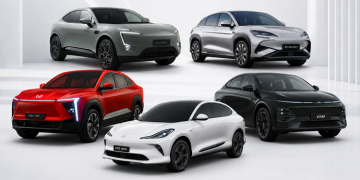
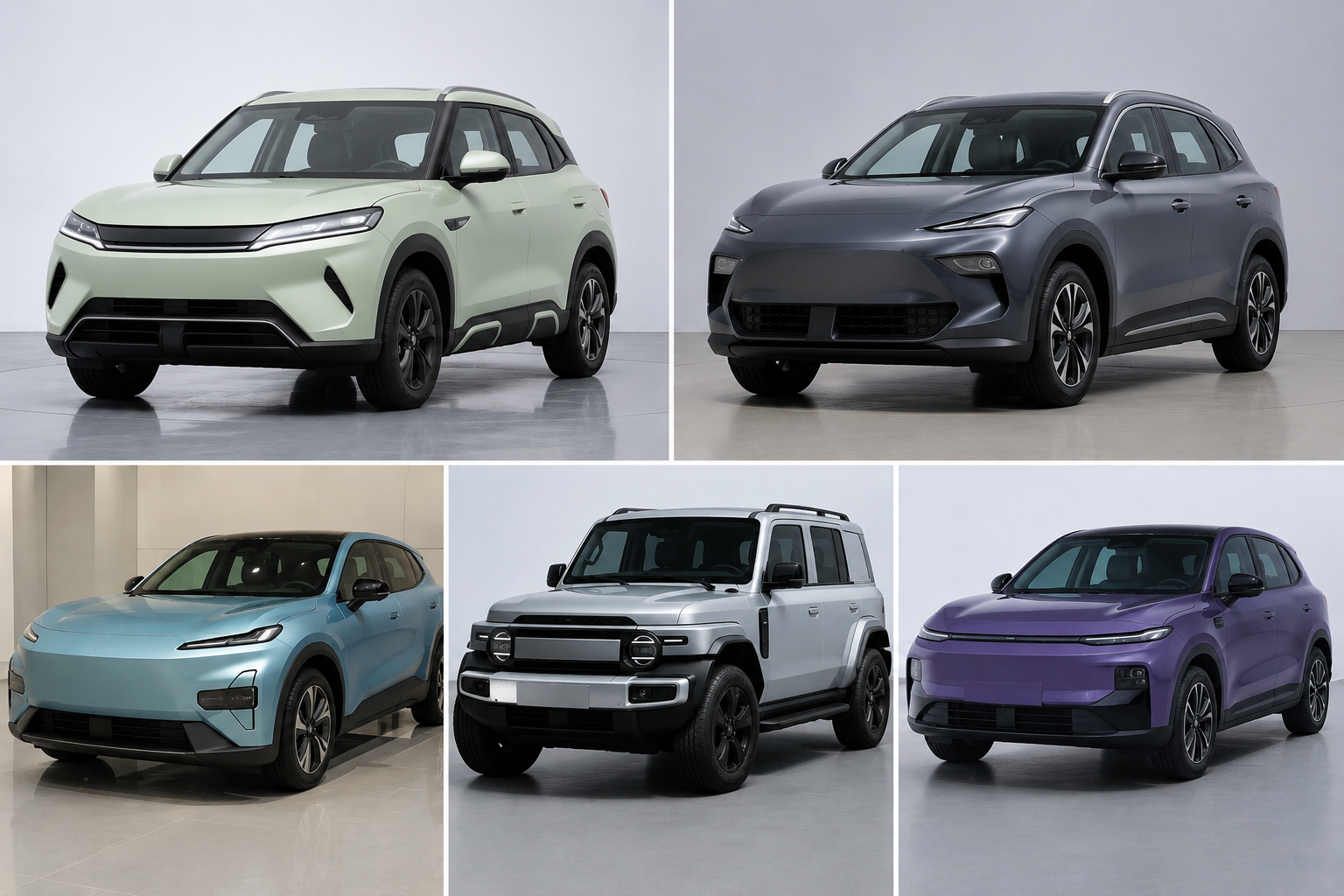
Popular models in this segment such as the BYD Atto 2, MG S5, Deepal S05, iCaur V23, and Leapmotor B10 are expected to become costlier by around Rs 200,000 to Rs 250,000, although the final price will depend on each distributor’s pricing strategy.