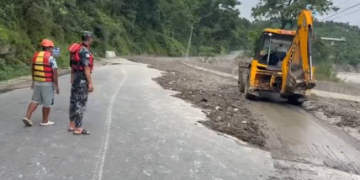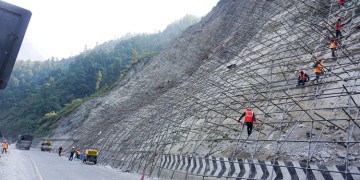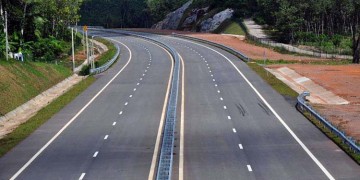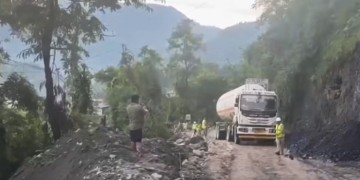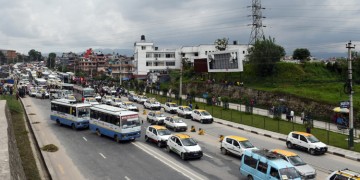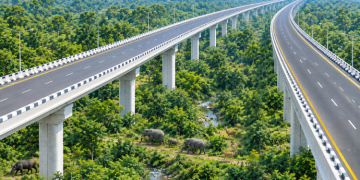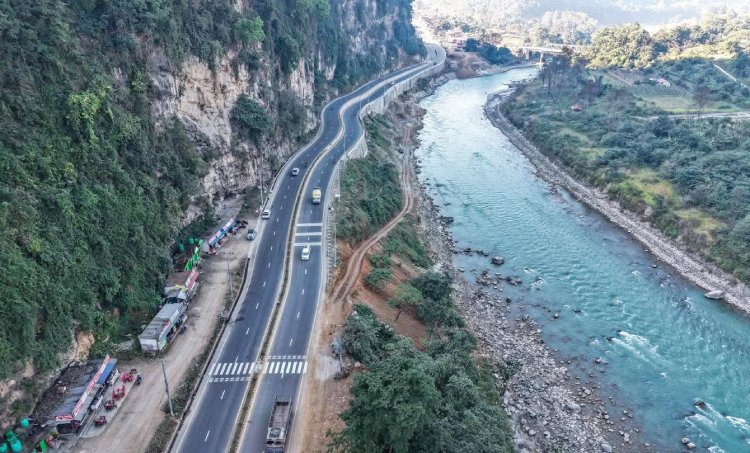
KATHMANDU: Highway construction and expansion projects are moving forward across Nepal. Road widening from Nagdhunga to Muglin is ongoing, while the Aanbukhairahni-Pokhara section is nearing completion. Road marking work has already started on the Pokhara highway, and the East-West Highway is being upgraded to four lanes.
Several north-south corridors are also under construction. With many projects entering the final phase, the government is preparing to revise vehicle speed limits based on improved road standards.
Asian highway standards allow speeds from 30 km/h to 120 km/h. However, Nepal’s terrain, especially hilly and winding roads, requires relatively lower limits.
Higher speed limits planned on new highways
Newly built highways are expected to support higher speeds. The Kathmandu-Nijgadh Fast Track is likely to allow speeds of up to 100 km/h. Similarly, the upgraded East-West Highway is expected to permit speeds up to 80 km/h, compared to the current 60 km/h limit.
In urban and dense areas, speed limits range from 30 to 40 km/h depending on road conditions.
In hilly districts, highways generally have a 40 km/h limit. The BP Highway has stricter limits of 20 to 40 km/h due to terrain.
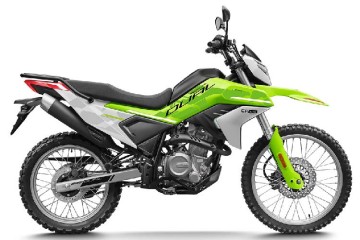
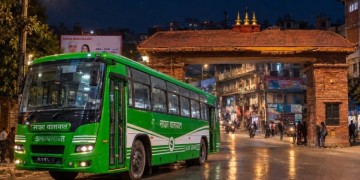
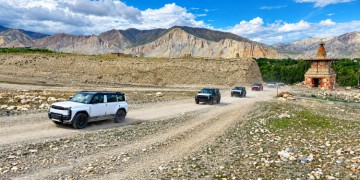
Under Nepal’s Motor Vehicle and Transport Management Policy, cars, jeeps, and vans are allowed to travel at speeds of up to 80 km/h. Buses and trucks can operate at a maximum speed of 50 km/h in hilly areas and 70 km/h in the Terai region, while motorcycles are allowed to run at speeds of up to 50 km/h.
The Madan Bhandari Highway does not have a fixed maximum speed yet, but signages in many sections indicate 40 to 60 km/h. Likewise, the Hulaki Highway has a speed limit of around 50 km/h despite running through flat terrain.
Authorities say revised speed limits will be implemented after construction is completed and road conditions improve.