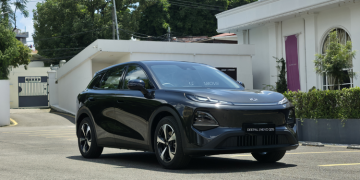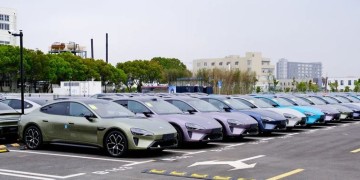
YIBIN, CHINA: Kaiyi Auto entered the Nepali market in 2024 with two models, the Kaiyi X3 Pro EV SUV and the Kaiyi e-Qute hatchback. Since launch, many buyers in Nepal have been curious about the brand and its background.
A recent visit to Kaiyi’s production facility in Yibin, Sichuan Province, around 5,000 km from Kathmandu, gave a clearer picture. After seeing the plant and hearing the company’s future plans, one conclusion stands out: Kaiyi is a stronger brand than many people in Nepal realize.
Kaiyi Auto has support from the Yibin municipal government and investment links with Chery Automobile, one of China’s major carmakers. It also has backing from leading Yibin-based liquor company Wuliangye Group.
This combination gives Kaiyi strong financial support, manufacturing confidence and industrial stability. Kaiyi operates a modern and well-equipped factory in Yibin. The company also manufactures some Chery-related vehicles at the same plant.
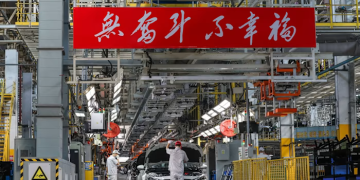
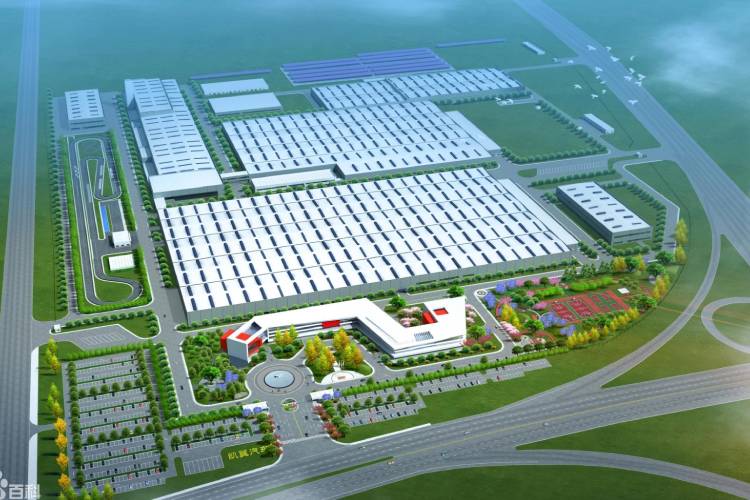
The production base was developed with a zero-carbon emission concept. The total plant area is around 648,666 square meters. According to company officials, around 10 billion yuan (CNY) was invested in the facility. The production line uses semi-automated systems.
Current annual production stands at around 150,000 vehicles, while expansion plans aim to increase capacity to 300,000 units per year. The plant currently employs around 3,800 workers. Different sections of the factory are systematically organized for smooth operations.
The workshop area covers 15,840 square meters, while the parts warehouse spans 10,080 square meters. In addition, the auxiliary building occupies 1,536 square meters. The overall layout appears efficient and well prepared for future expansion.
Kaiyi has also developed a 1.5-kilometer test center inside the complex.
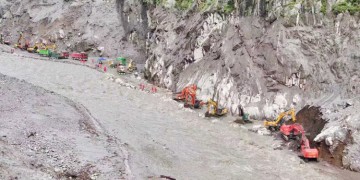
This area, known as the Experience Center, allows the company to conduct different vehicle evaluations. It includes water-wading tests and other durability checks required before production models reach customers.
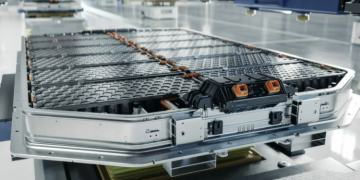
Most machinery and production equipment at the plant appeared new. Kaiyi also manufactures many parts internally, which helps quality control and supply consistency.
Another notable point is the Kaiyi e-Qute 04, a model developed by Kaiyi’s R&D team, which is also sold under Chery branding in some markets. That adds confidence to Kaiyi’s engineering standards.
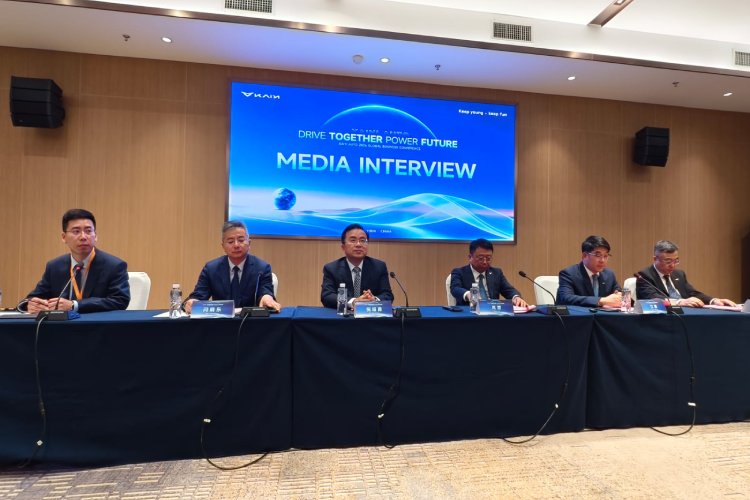
According to Gao Li, General Manager of Yibin Kaiyi Automobile Co. Ltd., the company has already entered 15 international markets. He said Kaiyi is not focused only on selling vehicles. The company also wants to support dealers and customers with strong after-sales service.
“We do not only sell cars. We are equally committed to after-sales support,” he said.
Kaiyi sees real potential in Nepal
Kaiyi currently has two separate distributors in Nepal. Its EV lineup is sold by Laxmi E-Mobility and GO Automobiles. Both companies belong to groups with long experience in Nepal’s automobile sector.
Kaiyi Deputy General Manager Jiang Xing said Nepal is an important market for the company. He added that Kaiyi is committed to proper after-sales support for Nepali customers and plans to announce new models suitable for Nepal’s road conditions soon.
According to him, Kaiyi is also expanding in countries with similar economic conditions to Nepal. The company recently entered Sri Lanka as well.
Verdict
Kaiyi is clearly a capable and serious brand. Government support, Chery partnership, investment from Wuliangye, a large modern factory and growing export plans all show strong long-term intent.
The EV and hybrid models tested at the facility also felt impressive. In Nepal, however, the brand still lacks visibility. The presence of two distributors has also created some confusion in the market. A clearer single-channel strategy could help improve operations, branding and customer confidence.
Based on Kaiyi’s global preparation and product direction, the brand looks like a strong option for buyers seeking an affordable hatchback or SUV with modern features.