KATHMANDU: The Communist Party of Nepal (UML) has made public its election manifesto for the upcoming House of Representatives election scheduled for March 5. Party Chairman KP Sharma Oli announced the manifesto at a program held in Kathmandu on Thursday.
The party has presented its manifesto under the main slogan, “Prosperous Nepal, Happy Nepali – Our Destination is National Aspiration.”
UML has prioritized economic growth, employment, industrial development, infrastructure expansion, health, education, and good governance. In the transport and infrastructure sector, it has introduced its agenda under the slogan “Safe Transport, Modern Infrastructure – Foundation for Sustainable Development and Prosperity.”
The manifesto outlines plans to upgrade major highways including the East-West Highway, Hulaki Highway, and Mid-Hill Highway. It has also committed to extending black-topped roads to all local levels.
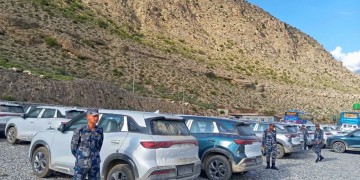
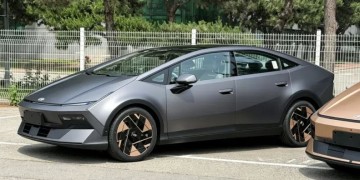
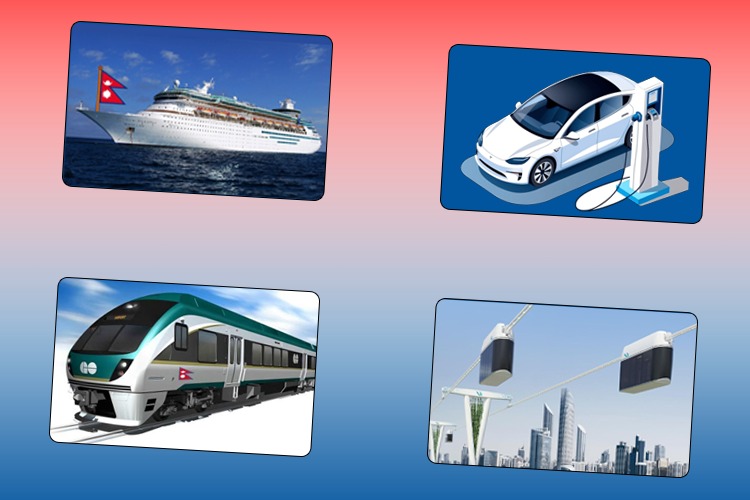
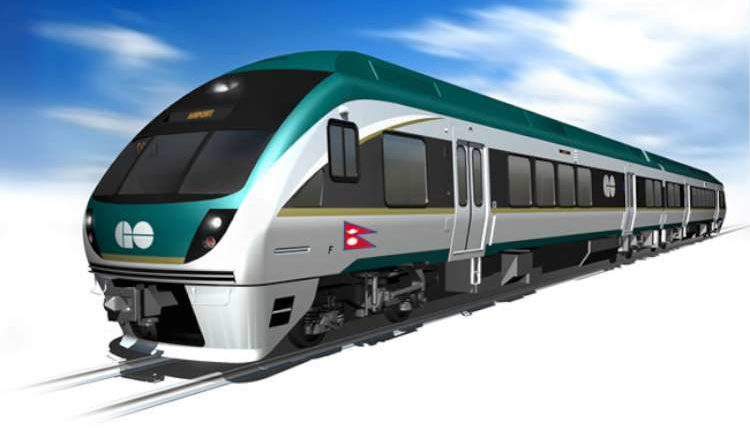
Additionally, the party has pledged to build East-West, Birgunj-Kathmandu, and Kerung-Kathmandu electric railways, develop an integrated multimodal transport system, reduce road accidents, promote EVs, restructure public transport, and operate major domestic airports for up to 18 hours daily.
However, UML had announced similar ambitious plans in past elections. Even during his tenure in government, many of these projects could not be fully implemented, raising concerns about execution.
UML outlines 15 key transport and infrastructure plans in election manifesto
- All rural municipalities will be connected by at least one all-weather road. District headquarters and provincial capitals will be linked to national highways. All new roads will be built with a minimum double-lane standard, and existing single-lane roads will be upgraded to double lanes.
- Except in geographically impossible areas, every citizen will be able to access a motorable road within an average 30-minute walk through the development of a nationwide minimum road network.
- The East-West Highway will be upgraded into an expressway. The Mid-Hill (Pushpalal) Highway will be developed into a dedicated double-lane road. The Madan Bhandari and Hulaki highways will be upgraded as strategic highways. The Koshi, Gandaki, and Karnali corridors will be developed as key economic backbone routes.
- The Kathmandu-Terai/Madhesh Fast Track will be completed within the designated timeframe.
- The East-West electric railway will be completed within the next decade. Infrastructure preparation will move forward for the Birgunj-Kathmandu and Kerung-Kathmandu electric railways. The Nepal-India cross-border railway is targeted for completion within five years.
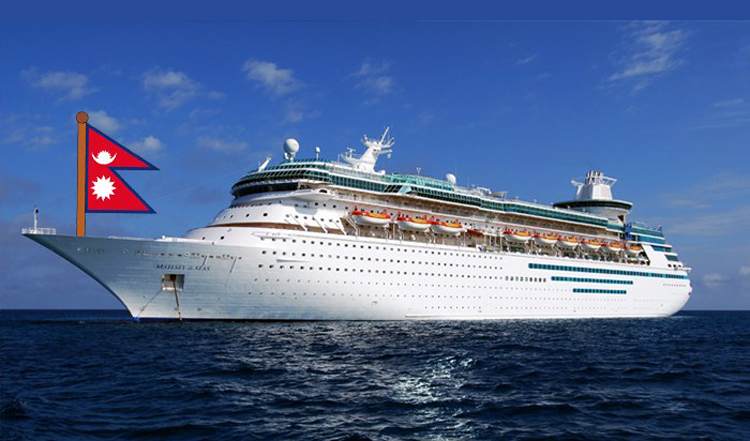
- Through inland waterways via India and maritime port access via China under transit agreements, Nepal will develop water-based trade access for international commerce.
- Under-construction highways, including the Kathmandu-Terai Fast Track, will be completed. A national road infrastructure master plan will be implemented to ensure balanced regional development.
- Highways, railways, waterways, and airports will be interconnected under an integrated multimodal transport system.
- Road standards will follow international practices, including adherence to roughness index, road geometry, and road furniture benchmarks to achieve global-level quality.
- Standards will be introduced to ensure respectful passenger treatment, safe travel duration, and timely dissemination of travel-related information.
- Comprehensive road safety strategies will be adopted to reduce accidents. Regular highway patrolling, security posts, CCTV installation in high-risk areas, and trauma centers at fixed intervals will be arranged.
- Urban public transport routes will be systemized to ensure access within 10 minutes. Proper footpath infrastructure will be developed to improve pedestrian safety.
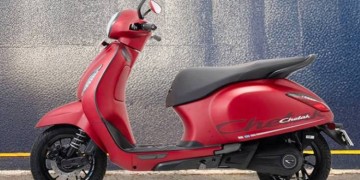
- The use of electric vehicles will be promoted. IT-based integrated electronic fare system will be developed and implemented. Long-distance transport services will operate 24 hours at fixed intervals.
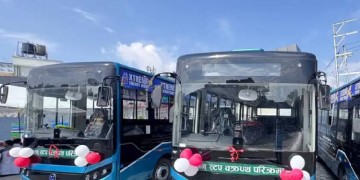
- To manage traffic congestion, metro rail, monorail, podway, fast track, and high-capacity bus services will be introduced in urban areas. Public transport will be restructured, and electric bus services will be expanded in major cities.
- Major domestic airports will operate up to 18 hours daily. International airports will be upgraded with additional infrastructure and modern facilities.