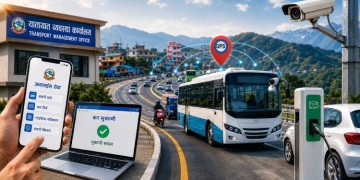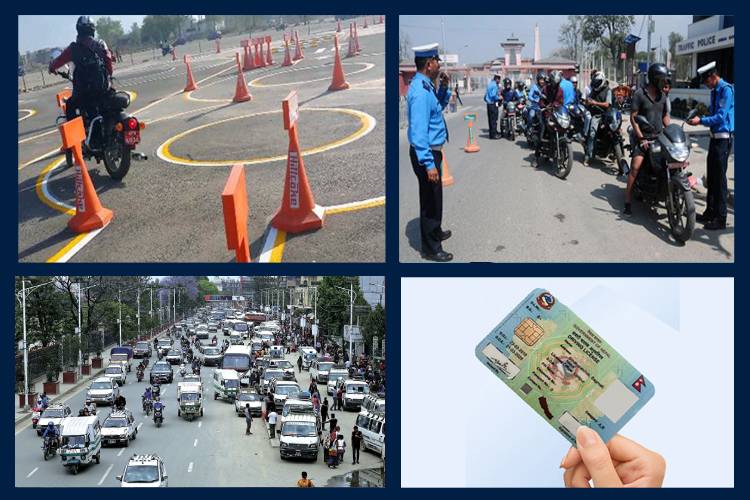
KATHMANDU: All seven provinces of Nepal have introduced their annual budgets for the fiscal year 2026/27. The provincial budgets include plans for transportation management, road safety, vehicle services, and electric mobility.
The provinces have announced programs to simplify driving license services, digitize transport offices, remove middlemen from public services, and improve vehicle regulation.
The budgets also include plans for GPS tracking in public vehicles, controlling transport syndicates, promoting electric vehicles, converting fuel-based vehicles into EVs, developing charging stations through private sector cooperation, and reducing road accidents.
Koshi Province
Koshi Province has allocated budget to strengthen security infrastructure, including the installation and expansion of smart CCTV surveillance systems on major urban roads and highways.
The province plans to make GPS systems mandatory for public vehicles operating within the province. Monitoring will be carried out through GPS-based surveillance.
The driving license examination process will be made simple, transparent, and accessible. Pending licenses from previous years will be distributed within the next fiscal year. The province will coordinate with the Security Printing Center to begin printing driving licenses within the province.

Madhes Province
Madhes Province plans to fully digitize transport services to reduce congestion and middlemen influence at transport offices.
Driver’s license services, blue book renewal, and vehicle registration payments will be shifted to an online system with a token-based service process.
The province will establish vehicle fitness testing centers and automated driving test tracks through public-private partnerships.
To reduce pollution, special incentives will be provided for electric public transport. Route permit fees will be reduced for electric bus operators.
Charging stations will be developed along major highways and urban areas. The province will also introduce legal measures to end transport syndicates and make fares transparent. Incentives will be provided to convert petroleum-based vehicles into electric vehicles.
Bagmati Province
Bagmati Province has allocated budget for traffic lights in major traffic areas and smart checkpoints at key entry points of the province.
The province will gradually digitize transport office services and convert old paper records into electronic systems.
The driving license and vehicle registration systems will be upgraded and connected with central systems and the national identity card system.
Online written tests, automated practical tests, and separate management systems for written and practical examinations will be introduced to improve transparency. The province will print and distribute driving licenses in coordination with the federal government.
Vehicle registration certificates will be converted into QR code-based smart cards. License and vehicle tax payments will be made fully electronic.
Transport services will be linked with the Nagarik App, allowing citizens to access license, blue book, and vehicle inspection details through mobile devices.
Transport offices will be upgraded with digital displays, token systems, waiting areas, and other citizen-friendly facilities.
Automated vehicle inspection centers will be established through private sector cooperation. The province will also allow registration of small public vehicles in the valley based on demand.
A road safety campaign will be launched to reduce accidents. Driver training, awareness programs, and road safety activities will be conducted.
Gandaki Province
Gandaki Province will implement road safety infrastructure programs based on road safety and technical audits to reduce accidents.
The province will coordinate with local governments to improve public transport services, bus parks, and transport infrastructure based on passenger demand.
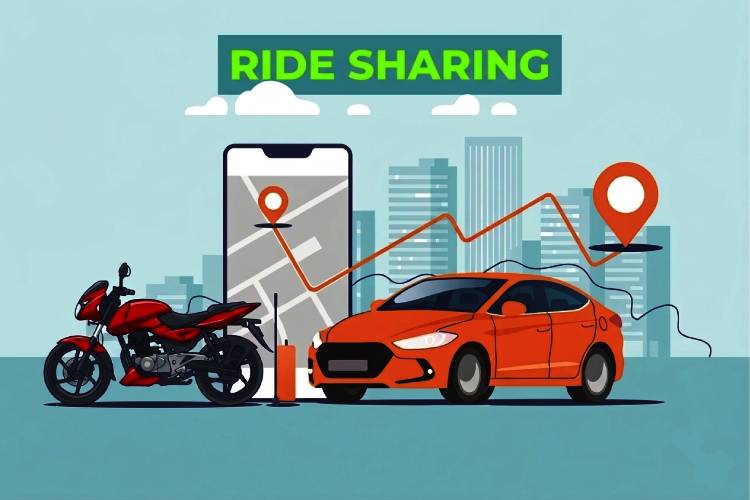
Legal and technical arrangements will be introduced for ride-sharing services. Citizens who cannot visit transport offices physically will be allowed to renew driving licenses from their location.
The province has allocated Rs 50 million to start printing driving licenses locally.
Lumbini Province
Lumbini Province has planned to digitize vehicle records by connecting transport office services with information technology.
The province has allocated Rs 22 million for faster printing and distribution of driving licenses. To reduce accidents, awareness programs will be conducted among drivers, communities, and schools.
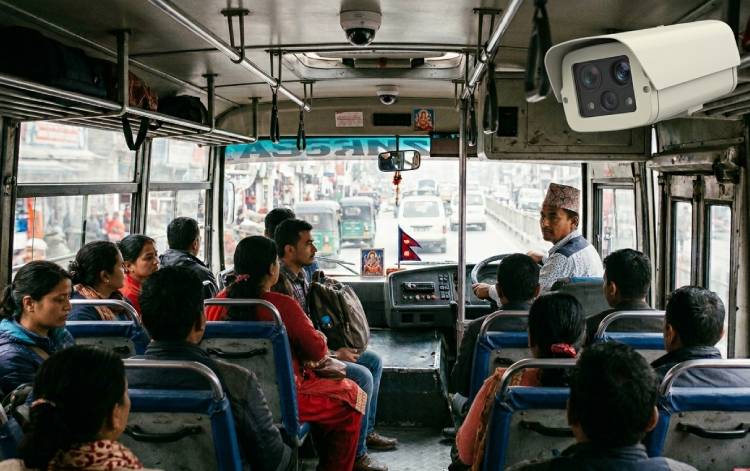
The province will cooperate with the private sector to install GPS tracking and CCTV cameras in vehicles to improve public transport safety.
Karnali Province
Karnali Province has allocated budget to modernize transport services, including electronic payments, smart license printing, distribution systems, and trial centers.
The province will conduct road safety campaigns and awareness programs in accident-prone areas in coordination with stakeholders.
Training programs will be conducted for drivers and operators on professional skills, passenger behavior, and vehicle maintenance. The programs aim to improve safe and reliable transport services across the province.