KATHMANDU: With the government imposing a 227 percent total tax on electric vehicles (EVs) priced above Rs. 5 million (CIF value), petrol and hybrid cars are now emerging as more attractive options for buyers in the premium segment.
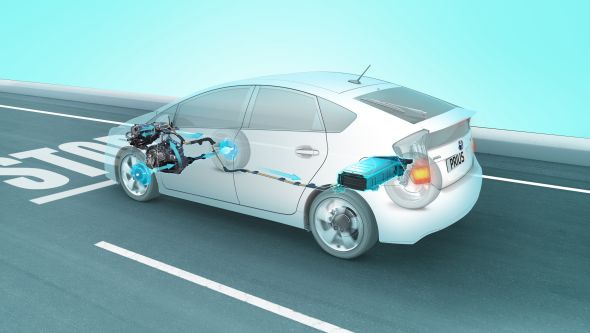
Petrol cars are currently taxed based on engine capacity, with the total tax burden reaching up to 356 percent. Hybrid cars, regardless of engine size, face 80 percent customs duty, 60 percent excise duty, 10 percent road construction tax, and 13 percent VAT, resulting in a total tax burden of about 257.98 percent. The upcoming fiscal year 2026/27 budget continues this policy.
For EVs with a CIF value above Rs. 5 million, the new total tax rate is 227 percent. This includes 20 percent customs duty, 130 percent clean energy tax, 5 percent road construction tax, and 13 percent VAT.
Although the headline tax rate on EVs appears lower than that of hybrids, many premium EVs have higher base prices. As a result, their final selling prices can be similar to or even higher than comparable petrol or hybrid models.
For example, before the budget, the BMW iX1 was priced at around Rs. 18.6 million in Nepal. Under the previous system, the model was taxed based on motor power, resulting in a total tax burden of about 85 percent. With the new value-based system, the same vehicle falls into the 227 percent tax bracket because its CIF value exceeds Rs. 5 million.
Premium buyers may look beyond EVs
A premium 2.0-liter turbocharged petrol car typically faces a total tax burden of around 291 percent. Despite the higher rate, buyers in this segment can choose from globally established brands such as BMW, Mercedes-Benz, and Lexus.
The report argues that buyers who prioritize brand heritage, status, and long-term market perception may be less inclined to pay premium prices for EVs from newer Chinese brands when similarly priced petrol or hybrid alternatives from internationally recognized manufacturers are available.

The government’s EV promotion policy remains most beneficial for vehicles with a CIF value below Rs. 3 million. Higher-priced EVs no longer enjoy the same level of tax advantage as before. The market will also be watching how importers adapt, particularly since some EVs were previously imported with lower motor-power classifications to benefit from lower taxes.
In the premium and luxury segment, the report concludes that petrol or hybrid vehicles from well-established global brands may offer a more compelling value proposition than high-priced EVs under the new tax regime.