KATHMANDU: Nepal’s seven provinces have prioritized reforms in the vehicle and transport sector in their budget plans for the upcoming fiscal year 2026/27. The provinces have introduced various programs to make transport services faster, easier, and more digital.
Public transportation operation, regulation, and management fall under provincial jurisdiction. Since 2016, provinces have been managing transport-related services, including vehicle registration, renewal, and annual tax collection according to their rules.
As transport services directly affect the public, provinces have included several programs in their budgets. These include improving driving license distribution, digitizing transport offices, removing middlemen, introducing technology in public transport, promoting electric vehicles, and improving road safety.
- Digital transport services
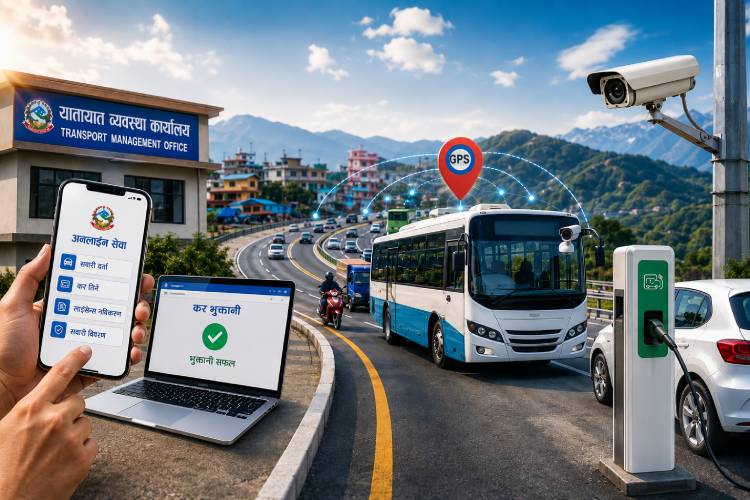
Provinces have announced plans to make transport offices more digital and user-friendly. Services such as driving license processing, vehicle registration, blue book renewal, and revenue payment will gradually move online.
They have also planned digital displays, token systems, waiting areas, drinking water facilities, and other basic services at transport offices.
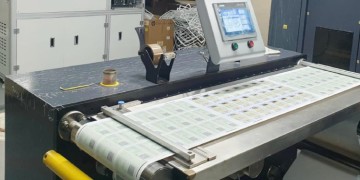
Several provinces have allocated budgets to print and distribute driving licenses themselves. Provinces including Koshi, Bagmati, Gandaki, and Lumbini have planned license printing programs after delays from the central system.
They have also announced plans to digitize old paper records, upgrade vehicle registration and license systems, and connect provincial systems with national databases.
- Technology in public transport
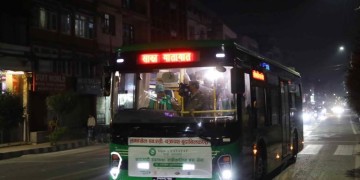
Provinces have prioritized the use of technology to improve public transport management. They have planned GPS installation and CCTV monitoring in public vehicles.
Smart CCTV surveillance systems will also be expanded in major urban roads and highways.
Provinces have also announced plans to prepare new laws to reduce transport syndicates, make fare systems transparent, and provide safer public transportation services.
- Promotion of electric vehicles
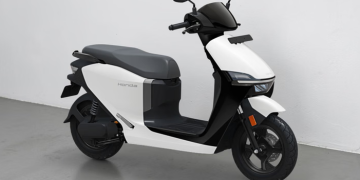
Most provinces have introduced policies to encourage electric vehicle (EV) adoption. They have provided different tax benefits and incentives for electric vehicles.
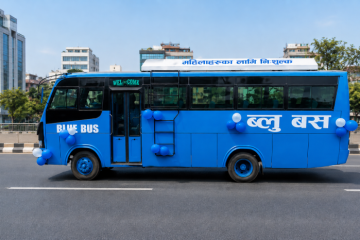
Madhesh Province has announced route permit discounts for electric bus operators. It has also planned to encourage the conversion of fossil fuel vehicles into electric vehicles.
- Expansion of charging stations
Provinces have prioritized the construction of EV charging stations due to the growing use of electric vehicles in Nepal.
They plan to build charging infrastructure through public-private partnerships. Nepal currently has more than 1,000 charging stations, while government studies have estimated the need for around 10,000 charging stations by 2030.
- Road safety measures
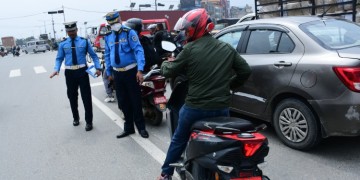
Provinces have allocated budgets for reducing road accidents. They have planned road safety awareness programs, road safety audits, and safer road infrastructure development.
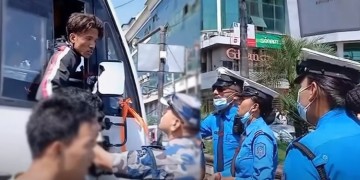
Other planned programs include check posts at major entry points, traffic lights in high-traffic areas, vehicle fitness test centers, vehicle scrap centers, and regulation of ride-sharing services.
However, similar programs have been included in previous provincial budgets but implementation has remained weak. Many plans have failed to move beyond paper, raising concerns over the execution of the new transport sector programs.