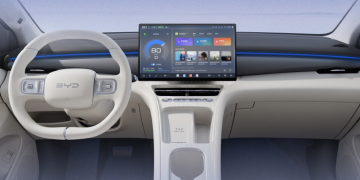
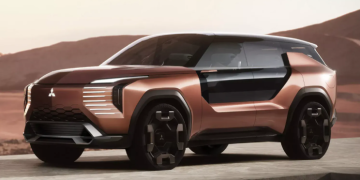
KATHMANDU: Fluctuating fuel prices and global energy uncertainty have increased demand for electric vehicles. As petroleum prices are affected by geopolitical conflicts, consumers are increasingly looking for alternative energy options.
Fuel prices rose sharply after the Russia-Ukraine war. Recent tensions involving Venezuela, Iran, Israel, and the United States have further increased uncertainty in the global oil market. As a result, many consumers have started considering EVs as a cost-effective alternative to petrol and diesel vehicles.
Until a few years ago, EVs were mainly preferred for environmental reasons. However, they are now becoming popular due to lower operating costs. EVs have also become an important option for countries like Nepal, where fuel imports create economic pressure.
According to Bloomberg, improvements in battery technology and the availability of affordable EVs, including in the reconditioned market, have increased global consumer interest.
EVs outpace gasoline cars in Europe and China
EV demand has increased significantly in several European countries. In Germany, new electric car registrations surpassed gasoline car registrations from the first quarter of 2026.
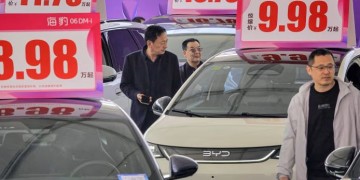
China, the world’s largest automobile market, has also recorded strong EV demand. In some European countries and markets like Nepal, EVs now account for nearly 80 percent of vehicle sales. This indicates growing interest in electric mobility among countries dependent on imported fuel.
Many countries dependent on petroleum products have also introduced incentive programs to encourage EV adoption.

EVs rebound even as US pulls incentives
EV sales in the United States slowed after the government removed tax incentives for EV purchases. However, rising crude oil prices have gradually supported EV demand.
Analysts say interest in EVs is also increasing as affordable electric vehicles become available in the US used-car market.
China is the big winner of the EV surge
China is expected to benefit the most from the global EV growth. More than half of the world’s electric vehicles are currently produced in China.
China also has a strong position in battery manufacturing and the supply chain of rare-earth minerals. This advantage allows Chinese automakers to produce and export EVs in large volumes while keeping production costs competitive.
Chinese EVs could help Europe achieve its green transportation goals by providing affordable electric vehicles. However, there are concerns that low-cost Chinese imports could increase pressure on European automakers.
The electric future has a political price
The future of EVs is increasingly influenced by energy market conditions, international trade policies, and industrial competition. The global auto industry is moving towards a new phase driven by electric mobility.
Analysts believe EV demand will continue to grow, especially if oil prices remain high. Chinese automakers and the battery industry are expected to gain the most from this global shift.