KATHMANDU: The global luxury car market is changing at a pace not seen in decades. Chinese electric vehicle manufacturers are no longer just competing on price.
They are redefining what modern luxury means by delivering strong performance, advanced technology, and premium comfort at accessible price points. Their rise is now forcing long-established European, American, and Japanese brands to reassess their strategies.
Premium EV demand loses momentum
Sales of high-end electric vehicles are weakening in the United States after the removal of federal incentives. This has pushed Ford, GM, Mercedes-Benz, and Tesla to scale back production and delay new projects. Buyers say the premium badge alone no longer justifies a higher price. They want value, range, and well-integrated technology.
Mid-range models like the Chevrolet Equinox EV and Hyundai Ioniq 5 are gaining ground. The shift shows that customers are choosing practicality and fair pricing over traditional prestige.
China sets the pace with tech, performance, and value
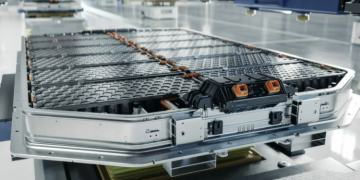
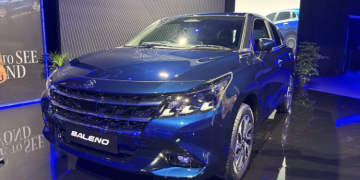
Chinese brands are capturing this growing value-driven market. They offer large touchscreens, polished digital cockpits, advanced driver-assistance suites, long-range batteries, and rapid charging, often as standard. Their fast update cycles and in-house software allow them to refresh products more frequently than Western competitors.
Recent breakthroughs highlight how quickly Chinese performance engineering is advancing. BYD’s Yangwang U9 Xtreme set a 496.22 km/h top-speed record in Germany and posted a 6:59.157 lap at the Nurburgring, making it the fastest electric production car there. Xiaomi’s SU7 Ultra has also entered the race, challenging models from Porsche and Tesla.

Likewise, the BYD Yangwang U8 is a high-tech luxury electric SUV that offers features such as tank turn, crab walk, adjustable hydraulic suspension, and a 30-minute emergency floating “Yachting Mode.”
These achievements highlight a new trend: modern luxury is now defined by extreme capability and cutting-edge engineering, not just leather, heritage, or chrome badges.
Legacy brands turn to craftsmanship and lower costs
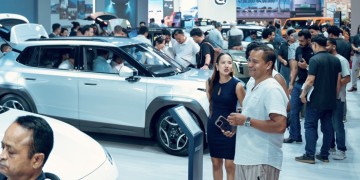
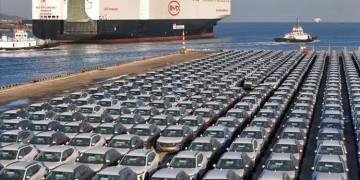
Traditional European brands are under pressure in China, their largest and most profitable market. BMW and Mercedes-Benz have reported weaker sales as buyers move to domestic EVs with better value and stronger technology.

Luxury brands like Bentley and Rolls-Royce are doubling down on craftsmanship, bespoke interiors, and ultra-personalized customer experience in an effort to protect their niche.
At the same time, Western mainstream brands are preparing more affordable electric models to stay competitive. Ford is planning a USD 30,000 electric truck, while GM and Nissan are developing EVs below the same price mark.
A new standard for global luxury
The market is shifting toward practical, high-tech, and affordable EVs. Chinese manufacturers now lead in value, software integration, product speed, and in many cases, performance engineering. Traditional luxury makers must now balance their heritage with higher efficiency, lower costs, and faster innovation.
Chinese EVs have changed the global definition of luxury. What was once exclusive is becoming accessible, and global brands must adapt quickly to stay relevant in the next era of premium mobility.