KATHMANDU: Three major historical, cultural and commercial areas in the Kathmandu Valley have been proposed to be developed as car-free zones.
The proposal is part of the Kathmandu Valley Urban Transport System Master Plan, prepared by the Ministry of Physical Infrastructure and Transport in coordination with the Japan International Cooperation Agency (JICA).
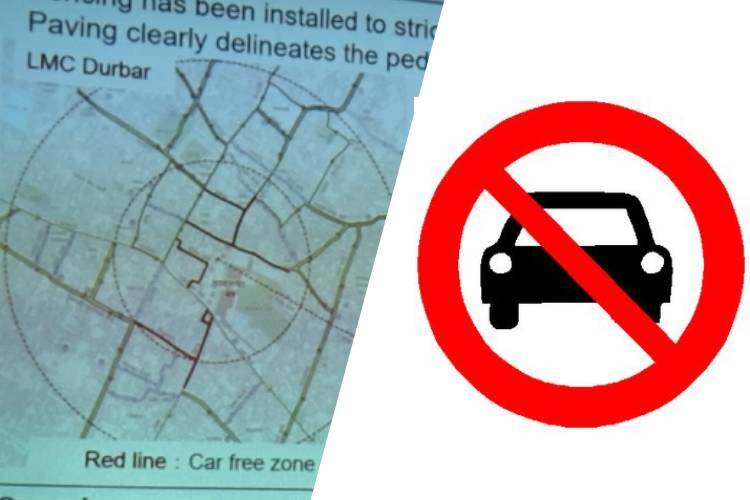
The plan has recommended making Basantapur Durbar Square and Thamel in Kathmandu, and Patan Durbar Square in Lalitpur car-free. The move aims to improve urban mobility and create safer, more pedestrian-friendly public spaces.
The plan proposes restricting vehicle access to these areas while allowing pedestrians to move more freely. Barricades would be installed where necessary, while colored road markings would be used to clearly define the boundaries of the car-free zones.
The estimated cost of implementing the proposed measures is more than Rs 150 million.
Basantapur and Thamel
At Basantapur Durbar Square, the plan recommends quickly implementing a vehicle-free or pedestrian-only zone within the UNESCO-designated area. Although a plan has already been prepared for the area, full implementation of the designated boundaries is yet to be completed.
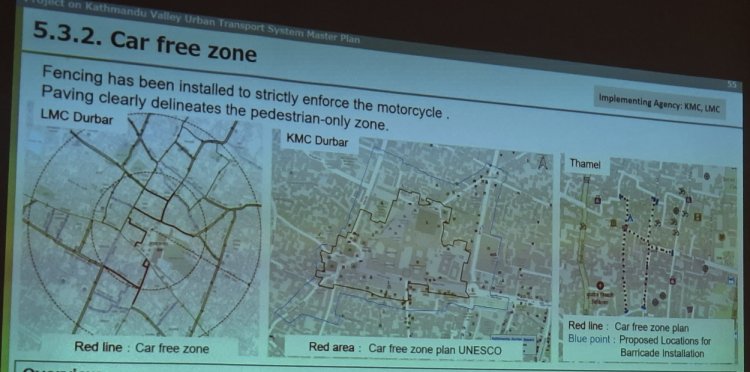
For Thamel, the master plan proposes restricting vehicle movement during the daytime. Considering its importance as a commercial and tourism hub, vehicles would be prohibited from entering the area from 9:00 am to 9:00 pm.
The plan also considers the movement of goods and deliveries while proposing the restriction.
Patan Durbar Square
The plan proposes expanding pedestrian-friendly streets around Patan Durbar Square. It includes converting selected roads into one-way streets and allowing only motorcycles on certain roads.
The implementation of these measures would be carried out by Lalitpur Metropolitan City.
58 km dedicated cycle network
The master plan has also proposed developing 58 kilometers of dedicated cycle lanes across different parts of the Kathmandu Valley.
The proposed network would connect existing and new cycling routes in Kathmandu and Lalitpur. It also aims to link areas around UNESCO World Heritage Sites through dedicated cycling infrastructure.
The proposals are part of a broader plan to make the Kathmandu Valley’s transport system more organized, sustainable and pedestrian-friendly.