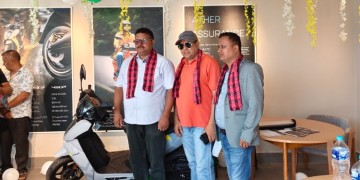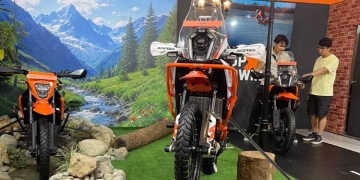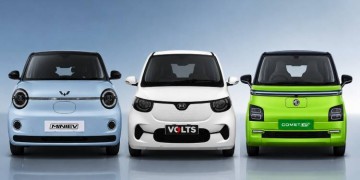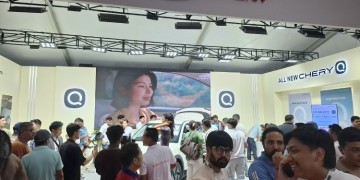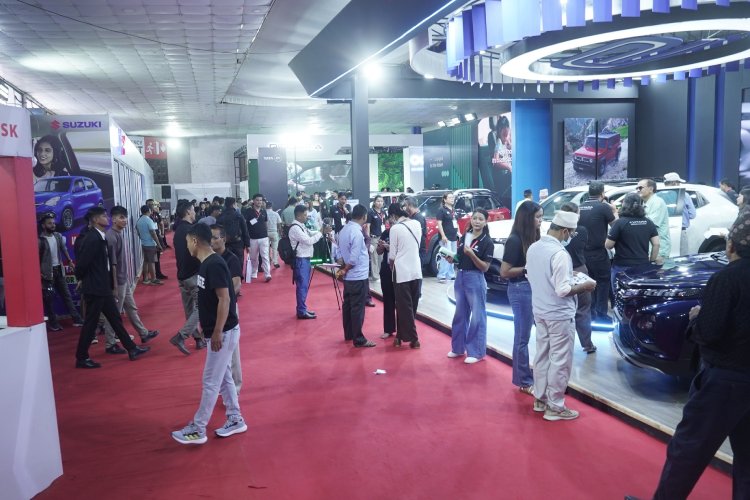
KATHMANDU: Nepal is set to host two auto shows within a gap of just over a week. The Nepal Automobile Importers and Manufacturers Association (NAIMA) is organizing the NAIMA Nepal Mobility Expo 2026 from August 11 to 16 at Bhrikutimandap, Kathmandu. The second edition of the event, organized by NAIMA, will feature 55 brands across 51 stalls.
Similarly, the NADA Automobiles Association of Nepal is organizing the NADA Auto Show 2026 from August 25 to 30 at Bhrikutimandap. The 18th edition of NADA’s auto show, which has a legacy of five decades, will feature 51 automobile brands and more than 200 stalls.
Basically, the NADA Auto Show and NAIMA Mobility Expo are similar events. There is no major difference in their basic nature. The format, venue and most of the participating brands are similar. The main differences are the organizing associations and the dates.
Until two years ago, Nepal had only the NADA Auto Show. All automobile businesses used to participate in the event. However, the business community split from NADA last year, leading to the formation of NAIMA and the organization of separate auto shows.
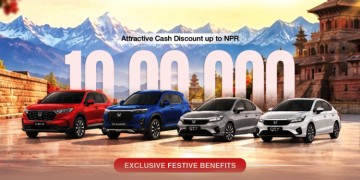
From a business and economic perspective, having more auto shows can be positive. They provide businesses with a platform to launch new models and increase sales. Automakers and dealers also announce attractive discounts and offers to attract customers.
But apart from discounts, what do consumers actually get from an auto show?
NADA President Surendra Kumar Upreti says an auto show acts as a bridge between automobile businesses and consumers. He says the event benefits both businesses and consumers.
According to him, auto shows save consumers time and allow them to learn about multiple brands at a single location. Competition among businesses can also result in better discounts. Consumers can also raise complaints about warranties and after-sales services provided by dealers.
He said consumers can also learn about road safety, new technologies, e-mobility, the automobile ecosystem, spare parts and charging infrastructure.
“An auto show is a platform that connects businesses and consumers. Businesses display their products, while consumers can see and understand all the brands and models in one place. They do not have to visit different showrooms. This saves time. Competition among businesses also gives consumers better discounts,” he told MeroAuto.
“Consumers can also raise complaints if they are not satisfied with the warranty or after-sales services provided in the past. It benefits both businesses and consumers,” he said.
NAIMA President Ritu Singh Vaidya says consumers get the opportunity to compare and choose from multiple brands at one location. She also said the expo will provide information about banking, insurance, vehicle safety, charging infrastructure and traffic management apps.
“NAIMA has 55 participating brands and around 40 new launches. What more does a customer need?” she said.
She said the expo will also provide information about banking, insurance, security issues, charging infrastructure and traffic management apps. NAIMA will also organize a knowledge series covering different topics during the expo.
‘It is just a trade fair, consumers do not get real benefits’
While automobile businesses highlight the benefits of auto shows, some consumer rights activists view them mainly as platforms for buying and selling vehicles.
They argue that consumers in Nepal do not get enough information about manufacturers’ future plans, concept models and new technologies through such events.
Madhav Timilsina, president of the National Consumer Rights Research Forum, says auto shows organized in Nepal remain limited to commercial fairs. As a result, consumers do not receive real benefits from them.
He said dealers announce various discounts during auto shows, but consumers cannot determine whether those discounts are genuine because vehicle pricing is not transparent.
“Consumers do not get real benefits from the auto shows held every year. Dealers promote the events heavily and announce different discounts. But those discounts have little meaning because consumers do not know how vehicle prices are determined. There is no transparent and scientific system,” he said.
“Discounts offered on prices that are determined in an opaque manner are not necessarily real. It only creates confusion among consumers. These are essentially commercial fairs where businesses focus on selling as much as possible,” he said.
Timilsina said automobiles are directly connected with the general public, but auto shows do not provide direct benefits to consumers. Instead, he said, there have been complaints of consumers being affected after purchasing vehicles.
“Businesses take money from customers who book vehicles at auto shows, but they do not always get delivery on time. There are also complaints that after-sales services and spare parts are not provided on time,” he said.
He advised consumers not to make decisions based only on promotional offers at auto shows. Instead, they should consider the vehicle’s resale value, after-sales service and availability of spare parts before making a purchase.
He also said government agencies, including the Department of Commerce and District Administration, should monitor activities taking place during auto shows.
Meanwhile, some observers have also questioned the relevance of organizing two auto shows within just over a week in a country where around 15,000 cars are sold annually.