KATHMANDU: More than 2 million vehicles operating in the Kathmandu Valley are still being managed largely through hand signals and whistles, said SSP Suresh Prasad Kafle of the Kathmandu Valley Traffic Police Office.
Speaking at the ‘Yesterday, Today and Tomorrow’ program organized by the Nepal Automobile Importers and Manufacturers Association (NAIMA), Kafle said traffic police lack adequate resources and clear legal authority to manage the growing number of vehicles effectively.
He said traffic police are primarily responsible for enforcing traffic laws and issuing fines, while their main objective is to ensure road safety rather than collect revenue.
Kafle said Nepal faces a serious road safety challenge, with an average of seven people dying and more than 50 people suffering serious injuries or disabilities every day in road accidents. He stressed that better road discipline among drivers, passengers and other road users is essential to reduce fatalities.
He identified overspeeding, lane violations and driving under the influence of alcohol or drugs as major causes of accidents. He urged drivers to follow speed limits and avoid driving after consuming alcohol or drugs.
Kafle also said traffic fines are intended to discourage violations and improve road discipline rather than generate government revenue.
He highlighted the risks faced by pedestrians, noting that around 5-7% of road accidents are linked to zebra crossings. He urged pedestrians and drivers to follow road safety rules and use crossings properly.
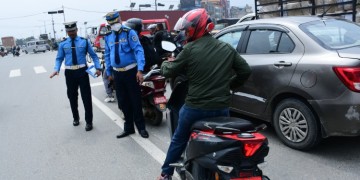
According to Kafle, traffic police themselves also face significant risks while managing traffic and checking vehicles. He said 19 traffic police personnel have lost their lives in the Kathmandu Valley over the past year.
He also called for stronger long-term policies, better resources and clearly defined responsibilities and powers for traffic police to improve traffic management and road safety in the valley.