KATHMANDU: China has proposed stricter regulations for new vehicle technologies, including zero-gravity seats, large infotainment screens, customized headlight messages and hidden door handles.
The Ministry of Industry and Information Technology (MIIT) has opened a public consultation on draft rules covering vehicle safety, operation and user interfaces. The proposals aim to address potential safety risks as automakers introduce more advanced technologies in new vehicles, according to Chinese media reports.
Restrictions on advanced seats
The draft proposes stricter crash-safety, anti-pinch and reliability tests for innovative seating systems. These include zero-gravity seats, rotating seats and fold-flat seats.
The ministry has also recommended limits on where and when powered seat functions can operate. These functions would be prohibited while a vehicle is moving.
The proposed rules could affect automakers that offer advanced seating systems as a key feature of their vehicles.
New requirements for in-car screens
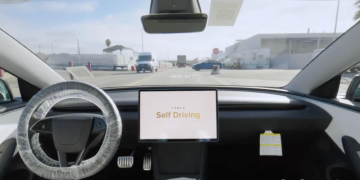
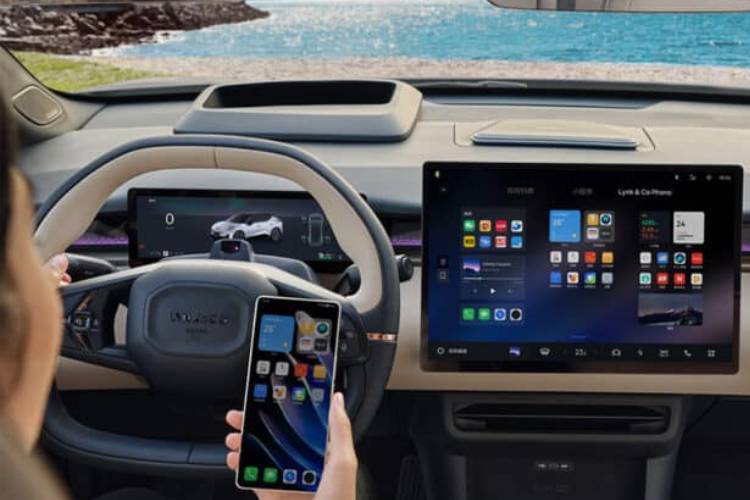
The draft also covers center-mounted infotainment screens, large display panels and complex head-up displays (HUDs).
MIIT has asked automakers to assess whether these displays distract drivers. It has also called for checks on their reliability and safety during collisions and under extreme conditions.
The proposal includes a ban on folding and flexible screens. This could affect technology-focused Chinese automakers, including Xiaomi and brands under Huawei’s Harmony Intelligent Mobility Alliance (HIMA), which offer advanced digital features in their vehicles.
Controls on headlight messaging
The proposed regulations also address vehicle lighting systems, including protruding lighting units and systems that allow drivers to display customized messages through headlights and taillights.
Some new energy vehicles in China use advanced matrix LED lighting that can project images, symbols and text. However, the technology has raised concerns about the content drivers could display on public roads.
MIIT has recommended that automakers regulate user-generated content and monitor messages displayed through these lighting systems.
Similar content controls already exist in some digital devices and services in China. The proposed vehicle rules could limit how owners personalize their cars’ exterior lighting.
Stricter rules for hidden door handles
MIIT has also reiterated its proposal to restrict fully hidden door handles. The ministry first proposed changes in late 2025, following several high-profile crashes involving the Xiaomi SU7.
The latest draft asks automakers to test innovative door-handle designs for reliability and safety under extreme conditions. It also calls for backup mechanical linkages and sufficient space for users to operate the handles manually.
These requirements are intended to ensure that doors remain accessible when electronic systems fail or during emergencies.