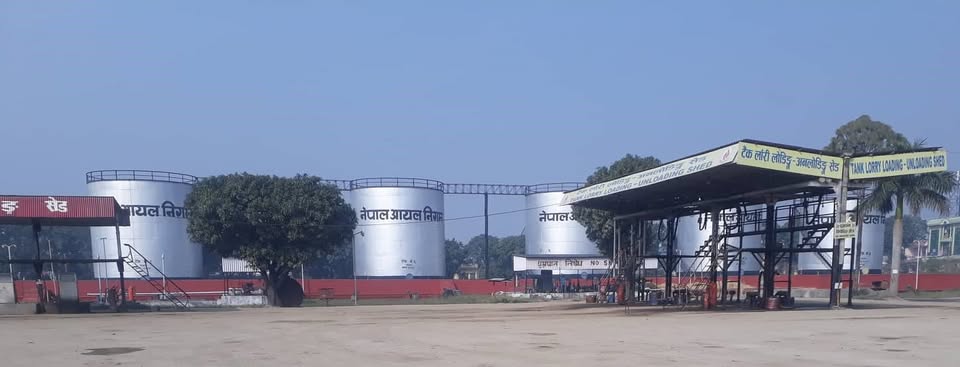
KATHMANDU: The Government of Nepal has decided to reduce taxes on petroleum products. The Cabinet meeting held on Tuesday approved a 50% cut in customs duty and infrastructure tax on petrol, diesel, and kerosene.
The decision will be implemented after it is published in the official gazette.
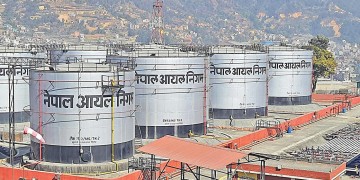
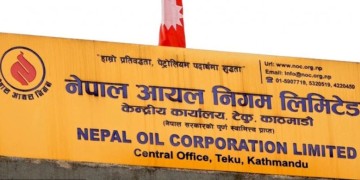
Despite the tax cut, fuel prices may not decrease immediately. Nepal Oil Corporation is currently selling fuel at a loss. The corporation reports a daily loss of around Rs 780 million.
At present, customs duty stands at Rs 25 per liter for petrol and Rs 12 for diesel and kerosene. After the 50% cut, it will drop to Rs 12.5 for petrol and Rs 6 for diesel.
Infrastructure tax is currently Rs 10 per liter on both petrol and diesel. This will be reduced to Rs 5 per liter.
Based on direct calculation, tax reduction could lower petrol cost by Rs 17.5 per liter and diesel by Rs 11 per liter. VAT at 13% is applied on the final price, so a lower base price could slightly reduce costs further.
According to Manoj Kumar Thakur, the tax cut is a positive step. However, he said the exact price reduction cannot be confirmed yet. The corporation will calculate the impact after receiving the official decision.
NOC is currently facing a loss of Rs 34 per liter on petrol and Rs 120 per liter on diesel. Overall daily losses stand at around Rs 780 million.
Due to these losses, immediate price reduction is unlikely. Final decision will be taken after a board meeting.
Global fuel prices have surged due to tensions in the Middle East. In the past three weeks, petrol prices have increased by Rs 45 per liter and diesel by Rs 40 per liter. Current prices stand at Rs 202 per liter for petrol and Rs 187 for diesel.