The sixth chapter of the Ride Nepal Series takes riders into Lower Mustang, combining spiritual significance with rugged Himalayan motorcycling.
The Muktinath ride is one of Nepal’s most popular adventure routes, offering a rare blend of religious heritage, dramatic landscapes, and challenging off-road trails.
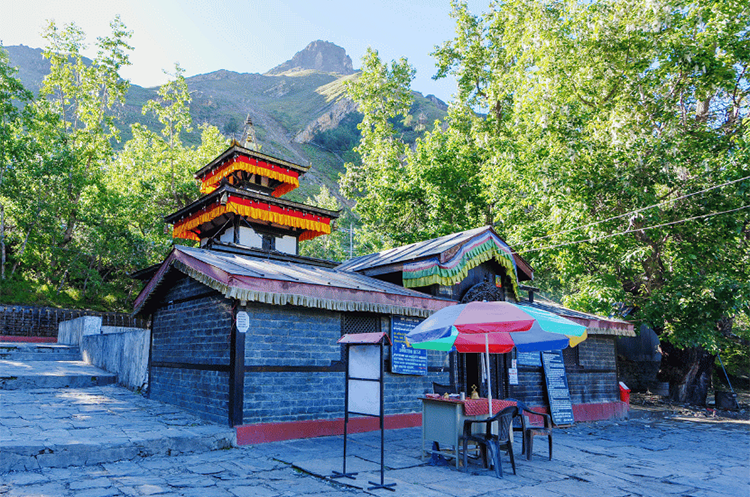
Muktinath Temple is a sacred site for both Hindus and Buddhists. The name Muktinath comes from two words: Mukti, meaning salvation or nirvana, and Nath, meaning God.
Located at high altitude in Mustang, the temple draws pilgrims and riders alike, making the journey as meaningful as the destination.
The road journey to Muktinath from Pokhara is scenic and adventurous. The ride begins with a comfortable cruise along the Baglung Highway up to Beni, following the Kali Gandaki River. After crossing Beni, smooth blacktop gradually gives way to off-road and rugged trails, marking the real start of the adventure.
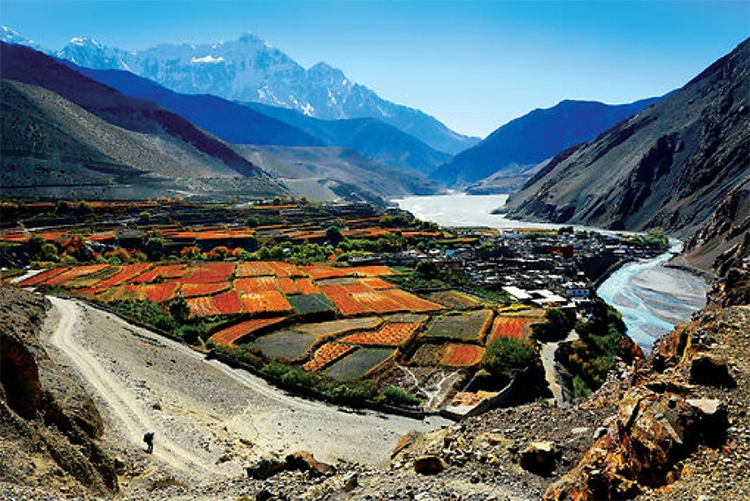
From Beni, riders follow this classic Lower Mustang route:
Tatopani → Ghasa → Marpha → Jomsom → Kagbeni → Muktinath
This stretch includes rocky riverbeds, narrow mountain tracks, strong valley winds, and changing road surfaces. Careful throttle control and steady pacing are essential, especially beyond Jomsom where terrain and altitude become more demanding.
Riders starting from Kathmandu typically follow the Prithvi Highway to Pokhara, then continue on the Pokhara–Beni–Muktinath route. Those entering Nepal from India often cross via Sunauli, riding through Butwal and Pokhara before heading north toward Mustang.
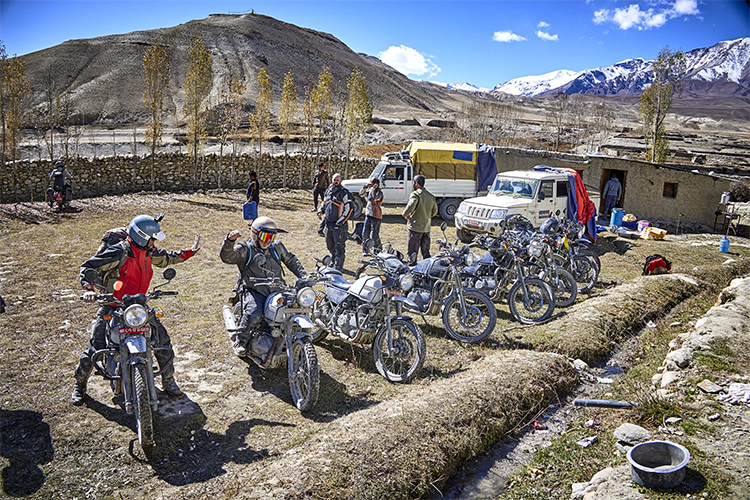

Most riders prefer to spend a night in Pokhara before heading toward Mustang. The city offers a wide range of tourist services, including budget to luxury hotels, lakeside restaurants, shopping areas, nightlife, and reliable motorcycle rental and repair facilities.
The Muktinath ride in Lower Mustang covers a distance of around 175 km from Pokhara, 380 km from Kathmandu, and 360 km from Sunauli, with the journey typically planned over 4–5 days from Pokhara and 5–6 days from Kathmandu or Sunauli.
The route climbs to a maximum altitude of 3,750 meters, with riding conditions ranging from moderate to extreme, especially on off-road sections marked by rocky trails and high-altitude terrain.
Hotels and lodges are available at key stops along the route, making overnight stays manageable for riders.
The last reliable fuel station is in Beni, although limited fuel may sometimes be available in the Jomsom local market, so careful fuel planning is essential.
The Muktinath ride passes several iconic destinations, including Galeshwor Temple, Tatopani hot springs, Rupse Waterfall, Kali Gandaki Gorge, Dhumba Lake, and the apple orchards of Marpha.
The journey is framed by towering Himalayan peaks such as Dhaulagiri, Nilgiri, the Annapurna range, and Machhapuchhre, making every day on the saddle visually striking.
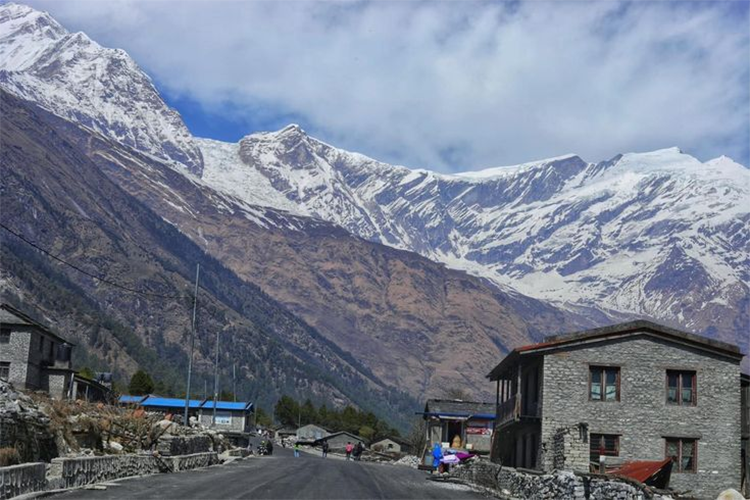
Riders are required to obtain entry permits before the journey. Indian riders must secure the Annapurna Conservation Area Project (ACAP) permit for Rs 1,000 and a TIMS (Trekking Information Management System) card for Rs 500.
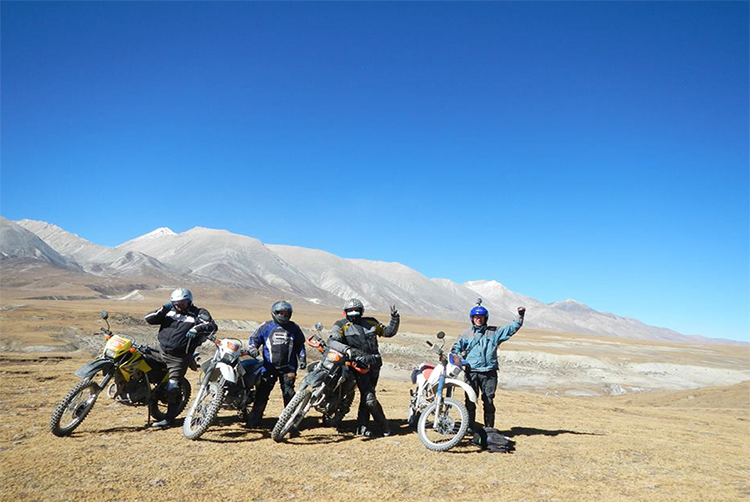
The Muktinath ride is not about speed. Strong winds, loose gravel, altitude, and unpredictable weather demand patience and respect for the terrain. While technically less extreme than Upper Mustang or Manang, the ride still tests endurance, machine reliability, and rider discipline.
Shrestha is a tourism expert.