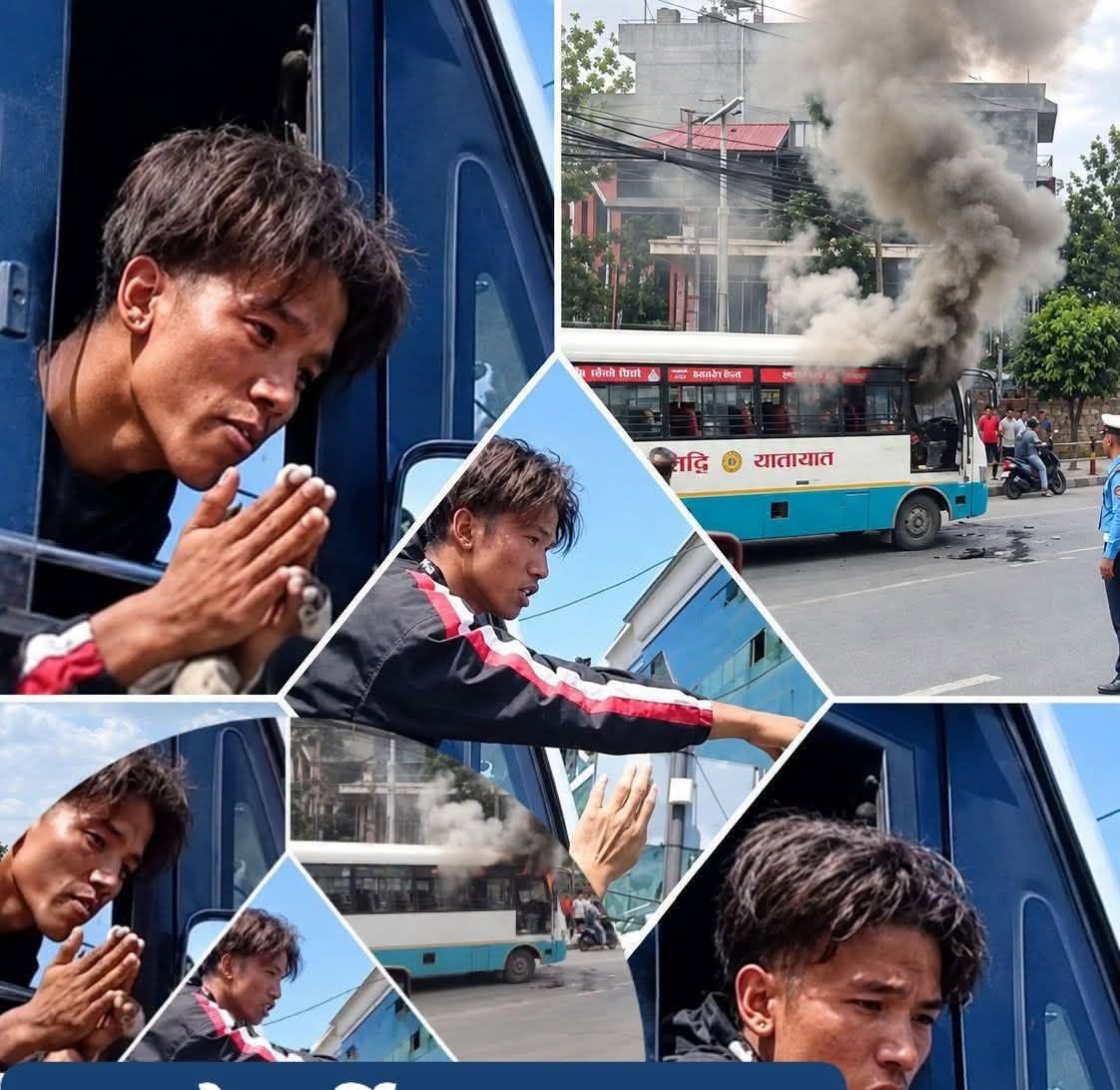
KATHMANDU: Monday’s self-immolation attempt by a bus driver in Tripureshwor has triggered strong reactions from political leaders, with former Prime Minister Dr. Baburam Bhattarai calling it a sign of deep national crisis, and RSP lawmaker Ashika Tamang using the incident to push for reform in how traffic violations are handled.
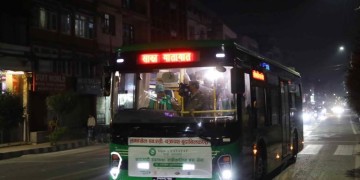
25-year-old Dawa Lama tried to set himself on fire inside the public bus he drives, in Tripureshwor on Monday. His condition is said to be serious, and he is currently under treatment. The incident came just days after 25-year-old Ganesh Nepali from Mugu also attempted self-immolation in the capital.
Reacting on Facebook, Dr. Bhattarai called the two incidents, happening in broad daylight in the heart of the capital, “deeply worrying.” He said such acts of desperation among youth point to a deeper failure of the state system and the country’s economic and social conditions.
“When our youth choose this path, it’s a serious sign that our state system and economic and social conditions are pushing them towards extreme hopelessness and complete distrust,” he wrote, urging all political forces, in power or not, to treat this as a serious crisis rather than dismiss it.
He added that unless the country finds a lasting, structural solution to its long-standing economic, political, and geopolitical problems, whoever comes to power will keep facing the same turmoil. He also cautioned against emotional rhetoric or threats of street confrontation, calling such an approach “suicidal,” and urged that the desperation behind these acts not be taken lightly.
Separately, MP Ashika Tamang responded to the same Tripureshwor incident by calling for traffic enforcement to be more evidence-based and judicially grounded. She said police should focus on collecting evidence, registering charges, and issuing notices, rather than treating their own charges as final verdicts.
“The role of police in traffic violations should be to collect evidence, register charges, and issue notices, not to punish or harass people unnecessarily,” she said, adding that drivers who accept fault should be able to pay the fine, while those who don’t should be able to challenge it in court.
Tamang also called for mandatory body cameras for traffic police on duty, saying recorded footage would protect both police and citizens, reduce disputes, and keep enforcement grounded in evidence. She urged a shift away from on-the-spot license or blue book confiscation, in favor of electronic fines, photo and video evidence, and fair hearings.