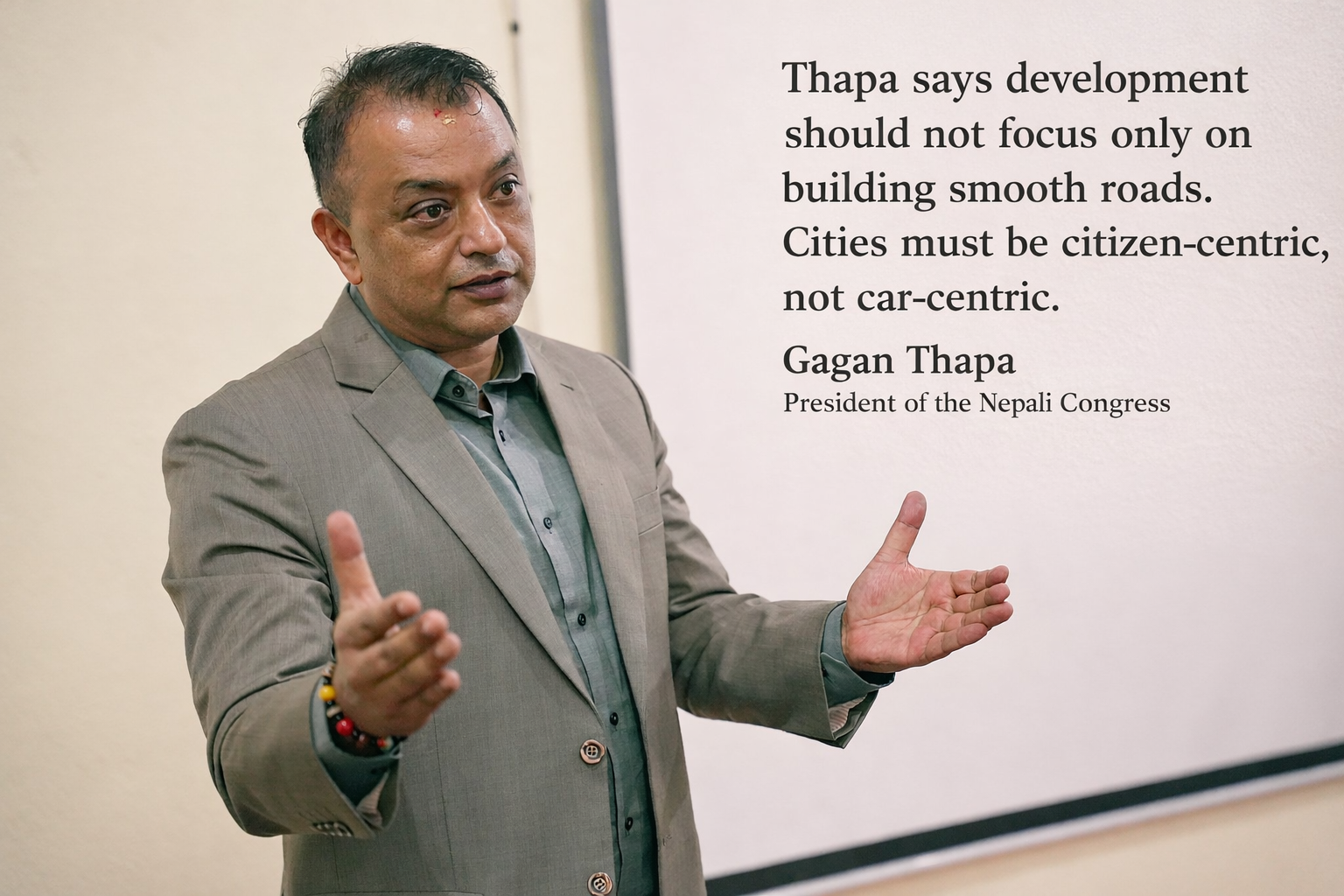
KATHMANDU: Gagan Thapa has outlined a comprehensive plan to reform Nepal’s transport system, focusing on road safety, better regulation, and modern urban mobility.
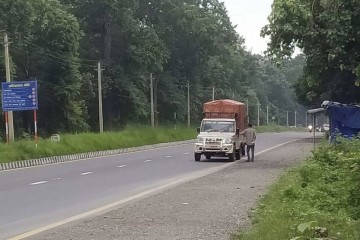
Nepal faces road accidents almost every day. In recent days alone, there were reports of a wedding bus returning from Bajhang meeting with an accident and another bus falling into the Tamakoshi River. Such incidents have become so frequent that many no longer pay attention to them.
On average, seven people die daily in road accidents. The country loses around 3 percent of its GDP due to road crashes. The human, economic, and social losses are significant. Beyond the numbers, people also face daily hardships. Even in cities, many do not feel safe using public transport, especially at night. Traffic congestion and disorder have become routine problems.
Thapa says the problem is structural. The transport sector has not been properly regulated for decades. Laws and systems have not been updated to match current needs. This has led to widespread mismanagement.
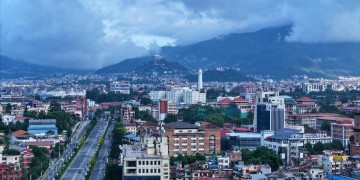
After becoming a Member of Parliament in 2013 (2070 BS), he launched the “Liveable Kathmandu” campaign. The core idea was to improve Kathmandu’s public transport system. His goal was to make public transport faster and more efficient than private vehicles.
He also pushed for the formation of a Public Transport Authority in Kathmandu and raised road safety issues in Parliament. However, he admits the efforts did not produce strong results. Now, he says he is ready with a clear and structured action plan.
Thapa says Nepal is still operating under 31-32-year-old transport laws. These must be revised. He proposes a new model law to regulate public transport in line with present needs.
Under this law, a powerful Transport Authority would be formed. It would include representatives from the government, transport operators, and workers. The authority would scientifically determine routes, whether in Kathmandu, Dhangadhi, or other regions.
If resources are limited, projects could be implemented under a Public-Private Partnership (PPP) model. Alternative funding mechanisms would also be explored.
Road safety will be given high priority. Although Nepal already has a road safety action plan, implementation has been weak.
Thapa says road safety cannot be handled by one agency alone. Local governments, municipalities, and the Ministry of Health must work together. Plans would include expanding trauma centers, enforcing lane discipline, and educating school students about road safety as a “way of life.”
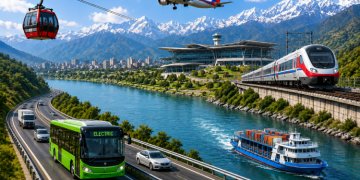
In large cities like Kathmandu, mass transit should be at the center of the transport system. An integrated ticketing system is also proposed.
Currently, different metropolitan offices handle transport separately. Thapa argues this creates confusion. He proposes bringing the system under one authority. Routes should be integrated and ticketing unified.
Technology must be widely used to reduce accidents and improve services. Thapa says technology should not be seen as a luxury but as a necessity.
He also stresses the need to bring transport workers under social security schemes. Making the profession dignified will improve discipline and reduce accidents. Studies show that better working conditions lead to safer and more reliable services.
Thapa says development should not focus only on building smooth roads. Cities must be citizen-centric, not car-centric.
Urban design should prioritize pedestrians’ first, especially senior citizens, children, and people with disabilities. Footpaths should be properly built. Where possible, cycle lanes should follow. After that, mass transit should be prioritized. Private vehicles should come last in the priority order.
He argues that even wealthy people should feel comfortable using public transport. Forcing people to rely on private vehicles is not a sustainable development model.
According to Thapa, travel should not be a daily struggle. It should be safe, convenient, and treated as a basic right of citizens.
Note: This is based on an edited portion of a video posted on social media by Nepali Congress leader Gagan Thapa, targeting the upcoming House of Representatives election.