KATHMANDU: The private sector contributes more than 80 percent to Nepal’s economy. Yet, the state often treats the same sector with suspicion, rigidity, and outdated thinking. There are many examples of this. At the same time, unhealthy competition, syndicates, and tax evasion also exist within parts of the business community.
Doing business in Nepal is not easy. Investors face policy instability, impractical laws, unpredictable taxes, political interference, and corruption. Even with these challenges, private companies have invested billions. But time and again, the state uses retrospective action and pressure tactics that create fear among businesses. Those who break the law must face action, but action should be based on evidence, not assumptions.
Trouble in the auto sector
The automobile sector is considered an engine of the economy. But in Nepal, it is often viewed as a luxury industry rather than an essential service. This has resulted in repeated policy shocks and uncertainty for businesses.
The latest example is the electric vehicle motor power dispute.
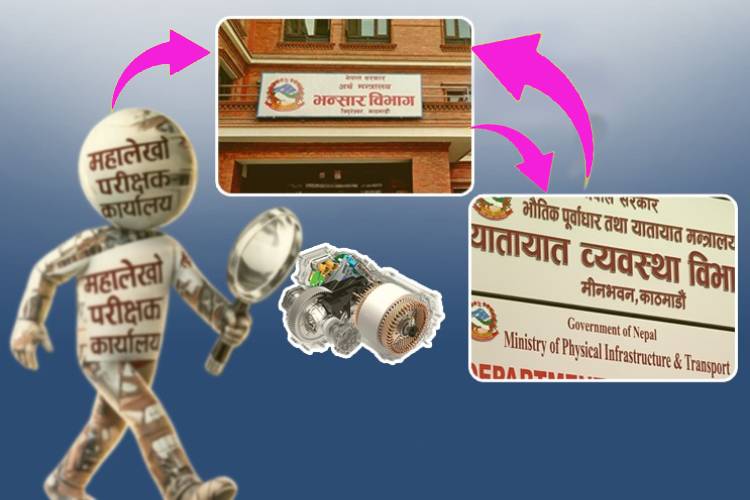
The issue began after the Office of the Auditor General published its 62nd Annual Report in May 2025. In the report, it claimed EV importers had under-declared motor capacity while importing vehicles. It estimated a revenue loss of Rs 3.77 billion. That audit finding has now become the basis for pressure on auto importers.
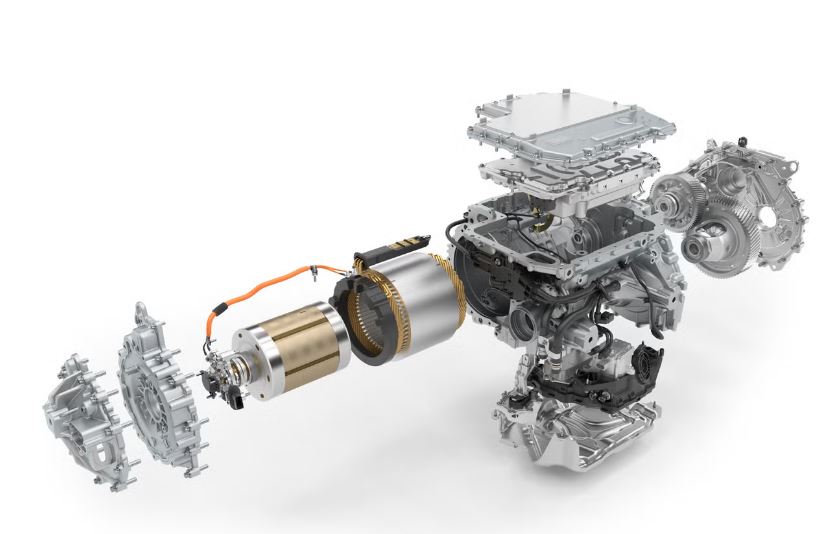
For years, Nepal has charged EV customs duty based on motor power measured in kilowatts. The same system remains in place today. Importers submit documents provided by manufacturers, and customs has been approving imports based on those papers.
Some importers allegedly brought EVs above 50 kW and 100 kW while declaring lower motor power. Customs collected tax based on the documents submitted. But the Auditor General later raised a question: if the vehicle had a higher-capacity motor in the producing country, how did it enter Nepal as a lower-rated model?
That question alone became the basis for the audit objection.
No testing equipment, yet big claims
Critics argue that the claim was made without technical verification. The actual motor power of imported EVs should have been tested first. Authorities should have checked whether the motor in the sold vehicle matched the paperwork.
The problem is that Nepal still does not have equipment to test EV motor power.
Later, in February/March 2026, the Auditor General introduced another requirement. Customs offices were told not to clear EVs without a GB/T 18488 certificate.
This is a Chinese domestic standard used for selling EVs inside China. It is not typically used for exports. Chinese manufacturers generally do not issue this certificate for overseas shipments. That created confusion among importers and customs officials alike.
After the circular, customs offices at Rasuwa and Tatopani asked the Customs Department for guidance.
On April 8, 2026, the department wrote to the Department of Transport Management seeking clarification on the standard and import process.
On April 15, 2026, the Transport Department replied that it studies the documents submitted by importers before giving recommendation letters. It also said importers themselves are legally responsible for the authenticity of those documents. If problems are found, approvals can be canceled and legal action can follow.
The department further admitted that Nepal has no system to test EV motor capacity. It said manufacturers determine technical parameters through repeated lab testing, and those manufacturer-issued documents have been accepted as official records.
The key question still remains unanswered
If government agencies themselves rely on manufacturer documents, then on what basis was the audit objection raised?
Importers say they submitted documents issued by manufacturers. If enforcement is to be taken, there must first be clear standards. There must also be scientific testing of imported vehicles.
At present, the government lacks both.
Businesses that cheat the state or evade tax should face strict punishment. There should be no compromise on that. But declaring companies guilty without verified evidence raises serious questions about fairness and due process.