KATHMANDU: The cost of owning a car in the United States has risen sharply in recent years, putting increasing pressure on household finances in a country where most people rely on personal vehicles for daily transportation.
Industry data shows the average price of a new car has climbed to more than $50,000, up from about $40,000 in 2020, according to Kelley Blue Book.
Higher financing costs are also adding to the burden. Data from J.D. Power shows seven-year car loans now account for 12.7 percent of financed vehicle sales, up from 7.7 percent last year. The average monthly car payment has exceeded $800, while S&P Global Mobility expects the share of loans with payments above $1,000 per month to reach 40 percent this year.
Fuel costs are also rising. Petrol prices recently moved above $3.50 per gallon following geopolitical tensions in the Middle East, increasing operating costs for drivers.
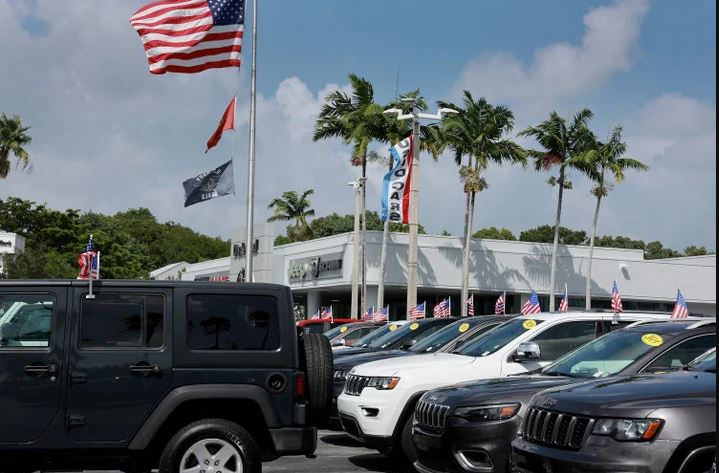
Automakers have increasingly focused on larger and more profitable vehicles such as pickup trucks and SUVs. Analysts say this shift has reduced the number of affordable small cars available in the market.
According to industry analysts, many manufacturers have discontinued low-cost sedan models in recent years as demand shifted towards crossover SUVs and trucks.
Additional ownership expenses have also increased. Repair costs have risen as drivers keep older vehicles longer, while insurance premiums increased more than 20 percent between 2020 and 2025, according to data from CheapInsurance.com.
The used-car market has also become more expensive. Average prices for used vehicles have risen about 38 percent since 2019, limiting lower-cost options for buyers.
Analysts say rising vehicle prices, higher borrowing costs, and increasing maintenance expenses are reshaping the economics of car ownership in the U.S., with fewer affordable options available for consumers.