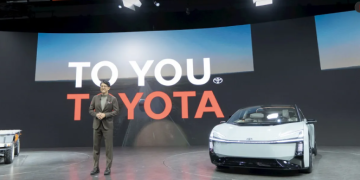
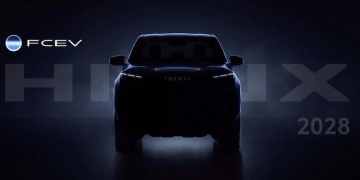
KATHMANDU: Toyota, one of the world’s largest automakers, is preparing for a major push in the pure electric vehicle market after years of focusing on hybrid technology.
The Japanese automaker has been successful with hybrid vehicles, but its battery electric vehicle lineup remains behind rivals like Tesla, BYD, and Hyundai. Recent comments from Toyota leadership have increased discussions about whether the company is now ready to compete aggressively in the EV segment.
Toyota’s new leadership has indicated a stronger focus on EV growth, profitability, and production efficiency. The company is now working on new battery technologies, EV platforms, and manufacturing methods to reduce the gap with global EV leaders.
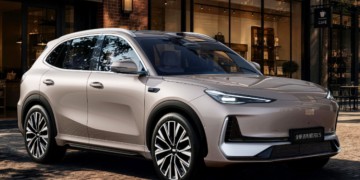
Toyota’s first major EV, the bZ4X, received mixed responses after its launch. The model faced challenges related to early technical issues and limited market acceptance. However, Toyota has improved the vehicle with newer updates and is working to strengthen its EV lineup.

The updated bZ has received a better market response in some regions. The new model comes with improved range, faster charging capability, and better battery management technology. It also supports the NACS charging standard, allowing access to Tesla’s Supercharger network in markets where it is available.
Toyota’s future EV strategy is based on three major battery technologies. The first is a high-performance battery designed for longer range and faster charging. Toyota claims this technology could reduce costs, improve efficiency, and deliver around 1,000 km of driving range in future models.
The second battery technology is focused on affordable EVs. Toyota plans to use lithium iron phosphate (LFP) battery technology for mass-market electric cars. The company aims to reduce production costs and make EVs more accessible.
The third technology is a next-generation bipolar lithium-ion battery, which Toyota expects to introduce around 2027-28. The battery is expected to provide higher energy density and improved performance.

Toyota’s solid-state battery: long promised, finally close?
Toyota’s biggest EV ambition is its solid-state battery project. The company believes solid-state batteries can offer faster charging, longer range, and better safety compared to current lithium-ion batteries.
Toyota is targeting commercial use of solid-state batteries around 2027-28. The company has also partnered with battery industry players to develop production technology. Toyota has previously claimed that future solid-state batteries could support charging from 10 to 80 percent in under 10 minutes.
Along with battery development, Toyota is also changing its EV production process. The company is adopting new manufacturing techniques such as gigacasting to simplify vehicle production, reduce costs, and improve efficiency.
Toyota has also planned dedicated EV production facilities with simplified vehicle platforms and improved battery packaging methods. These changes are aimed at helping the company compete with lower-cost Chinese EV manufacturers.

Toyota leads cars, but trails badly where it matters most
Despite these plans, Toyota still has a major challenge ahead. Tesla, BYD, Hyundai, and several Chinese brands already have strong EV products, supply chains, and customer trust.
Toyota’s strength remains its global production network and brand reputation. If its next-generation batteries and EV platforms perform as expected, the company could quickly become a stronger player in the electric vehicle market.
The next few years will be important for Toyota. The company may be late in the EV race, but its upcoming technology push could decide whether it can close the gap with leading EV manufacturers.