KATHMANDU: India’s electric vehicle market is gaining momentum as rising fuel prices linked to the Iran conflict push more consumers towards electric mobility.
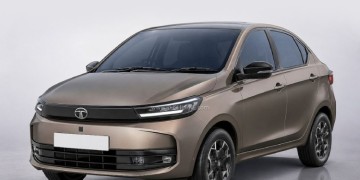
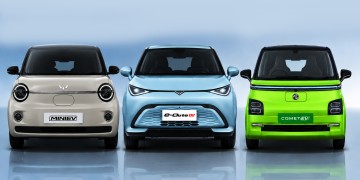
Leading automakers, including Tata Motors and Mahindra & Mahindra, have reported higher EV sales and increased showroom enquiries. The two companies currently account for nearly two-thirds of India’s EV passenger vehicle sales.
According to the International Energy Agency, EV sales in India increased by 65 percent year-on-year in the first quarter of 2026, crossing 55,000 units.
The rise comes as India faces higher fuel costs due to its dependence on crude oil imports from the Middle East. The government has also encouraged citizens to save fuel and consider public transport or electric vehicles.
Mahindra CEO Anish Shah said the company is considering faster EV production expansion. Mahindra currently plans to increase EV production capacity from 8,000 units per month to 12,000 units.
The company aims for EVs to contribute around 30 percent of its portfolio by 2030, compared to around 10 percent currently, writes FT.
Tata Motors has also reported strong EV demand. The company said EV sales increased by up to 30 percent after the Middle East crisis started. Tata plans to raise monthly EV production from around 9,000 units to more than 10,000 units.
Despite the growth, India’s EV adoption remains lower compared to global markets. EVs accounted for less than 4 percent of total passenger vehicle sales in 2025, while the government has set a target of 30 percent EV adoption by 2030.
Improving battery technology is helping reduce concerns about driving range. Many new EV models now offer more than 500 km of range on a single charge.
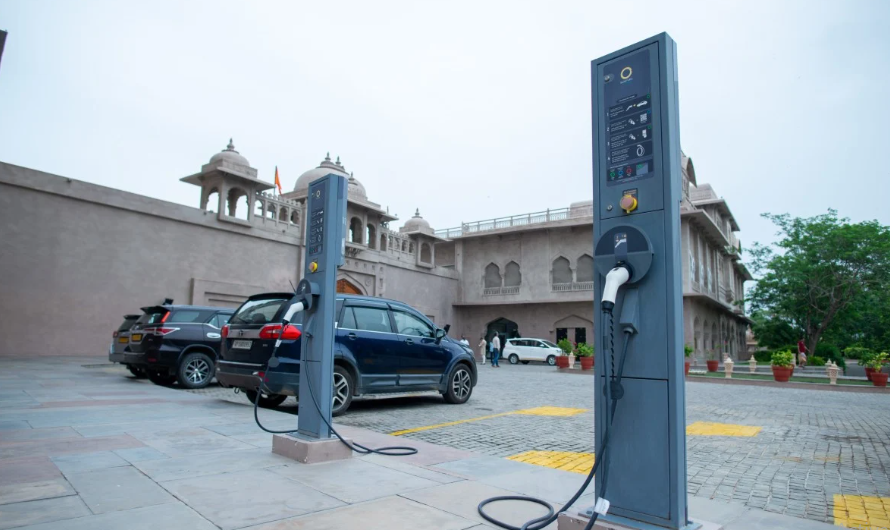
However, charging infrastructure remains a major challenge. India currently has a limited number of public charging stations, especially outside major cities.
Industry experts believe faster charging network expansion will be important for wider EV adoption as demand continues to increase.