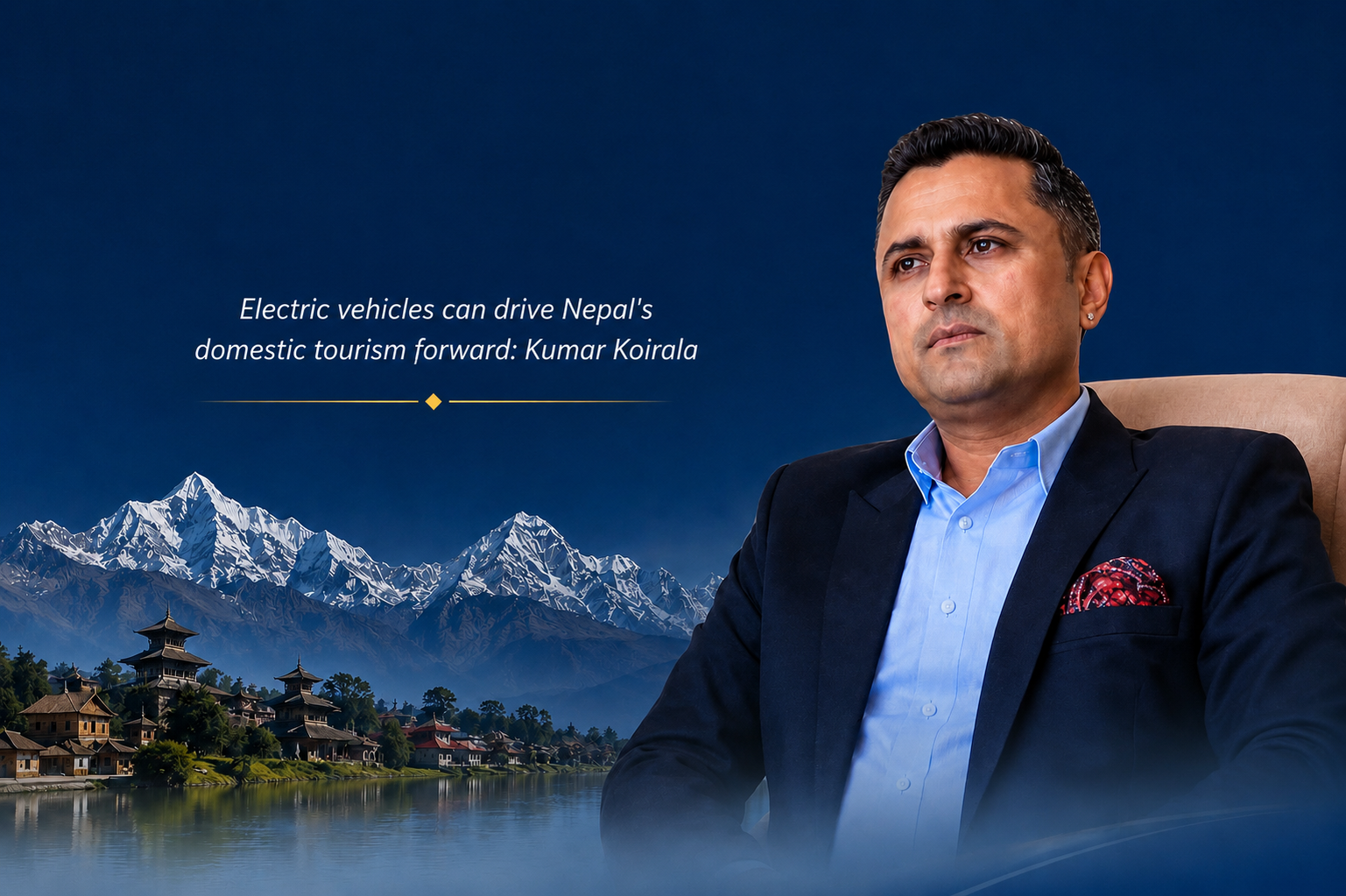
KATHMANDU: Easy transportation and tourism are deeply intertwined. Even if a destination has natural beauty, historical heritage, cultural diversity, and excellent hospitality, if it cannot be reached easily, safely, and affordably, the development of tourism will be limited. Especially in countries like Nepal, the future of domestic tourism now depends not only on the attractiveness of the destination but also on the ease of access to it.
The basic definition of tourism is the movement of people from one place to another. Whether it is for entertainment, religious pilgrimage, or cultural experience, the first step in every tourist activity is transportation.
Looking at the experience of successful tourist countries around the world, it is found that the easier, more reliable, and more affordable the transportation system is, the more domestic tourism flourishes. Good road networks, quality public transportation, convenient air services, and access to private vehicles have played a significant role in the growth of tourism.
Travel cost remains the biggest barrier to tourism in Nepal
Interest in domestic tourism has increased significantly in recent years in Nepal. However, the cost of travel and the ease of reaching destinations remain major challenges for many Nepalese.
Domestic air travel, in particular, is very expensive. In some destinations, the cost of a round-trip flight ticket alone is more than a two-night hotel stay. When a family travels, transportation costs become the largest part of the total budget.
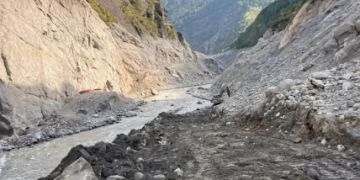
On the other hand, quality public transport services are mainly concentrated in limited destinations such as Pokhara, Chitwan, and Lumbini. Tourist destinations with great potential, including Gorkha, Ilam, Rukum, Dolpa, Bajura, Bajhang, and Taplejung, still lack reliable and convenient public transport. As a result, the number of tourists does not increase as expected because the destinations are attractive but difficult to reach.
EVs: new opportunities for domestic tourism
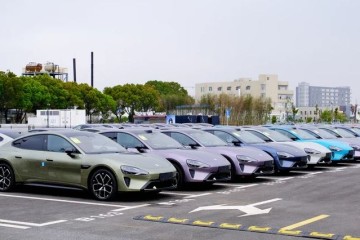
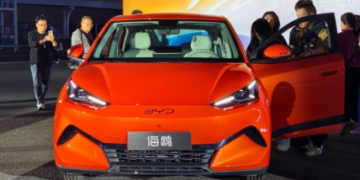
The increasing use of electric vehicles in Nepal has created new possibilities in the tourism sector. Compared to vehicles running on petroleum fuel, the operating costs of electric vehicles are very low. The cost of traveling long distances on a single charge can be a fraction of the cost of fuel.
This can change the way Nepali families think and travel. EV users can travel more frequently at a lower cost, explore destinations outside the main tourist cities, make regular weekend trips, and easily reach areas where public transportation is weak.
Today, the cost of traveling from Kathmandu to Gorkha, Ilam, Bandipur, or other destinations by electric vehicle is, in some cases, much lower than air travel. This makes tourism more accessible.
Mobility creates new tourism markets
Easy and affordable transportation not only benefits tourists, but it also strengthens the local economy. When people can travel easily, it increases hotel occupancy, creates the possibility of new hotels, brings more customers to restaurants and cafes, and provides jobs for local guides. In addition, visits to cultural and religious sites increase, and the market for local products and handicrafts expands. In this way, the benefits of tourism can be spread across the country rather than being concentrated in a few limited destinations.

The government’s parental role is essential
The tourism industry alone cannot solve the problem of transport infrastructure. Government leadership is required to improve roads, charging stations, public transport, and regional accessibility. The government has a significant role to play in the following tasks:
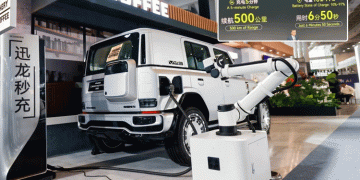
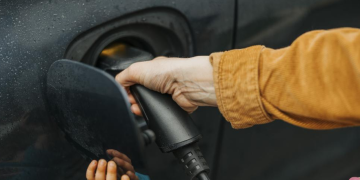
1. Expansion of charging infrastructure: Lack of charging facilities can be a major concern when traveling to remote destinations. The government should encourage the private sector to set up fast-charging stations at certain distances along major tourist routes. An environment should be created where travelers can travel to any tourist destination in Nepal without “range anxiety.”
2. Development of dynamic tourism corridors: Roads connected to tourism should not be seen as just roads but as economic infrastructure. Such routes should be equipped with regular maintenance, clear signage, rest areas, emergency assistance, and tourist information centers.
3. Concept of EV rental: Not all tourists have their own vehicles: The government can develop the concept of EV rental and self-driving tourism in major cities in collaboration with the private sector. This will further motivate the younger generation to explore new destinations.
4. Investment in tourist public transport: Electric shuttle services, minibuses, and shared transport systems connecting major tourist destinations can be encouraged. This will provide opportunities for travelers who do not have private vehicles to travel easily and comfortably.
5. Community-based transport systems: Local governments can encourage tourism-focused transport cooperatives and community transport services. This will create local employment and also improve tourism accessibility.
6. Integration of tourism and transport policies: In Nepal, tourism planning and transport planning are often done separately. Future tourism policies must include accessibility, parking, charging facilities, and public transport conditions for each destination.
Prospects beyond Pokhara and Chitwan
The future of Nepal’s tourism does not depend solely on the number of foreign tourists. If millions of Nepalis can be encouraged to travel within their own country as much as possible, the tourism economy can reach new heights.
Destinations with historical and religious significance like Gorkha, the green tea gardens of Ilam, the natural beauty of the Far West, the cultural heritage of Karnali, and the unique views of the Himalayan region have not yet benefited sufficiently from domestic tourism. If accessibility is improved, such destinations can become new centers of tourism development in Nepal.
Conclusion
Mobility is not just a matter of transportation; it is a basic necessity for tourism development. The increasing use of electric vehicles in Nepal has created a historic opportunity to take domestic tourism to new heights.
The government’s role should now focus on roads, charging infrastructure, quality public transport, and tourism-friendly policymaking. If Nepal can advance tourism and mobility as a single development strategy, the benefits of tourism will reach every corner of the country.
Ultimately, the future of Nepal’s domestic tourism will be determined by how easily we can get there, rather than where we want to go.
(Koirala has been involved in tourism services for 25 years and is now the General Manager of Gorkha Garden Hotel in Gorkha.)