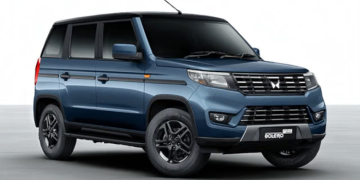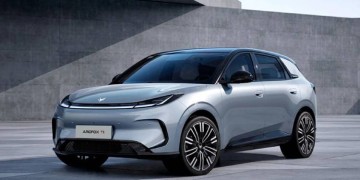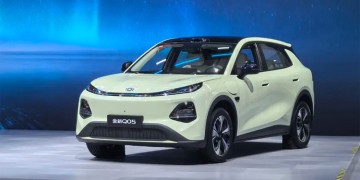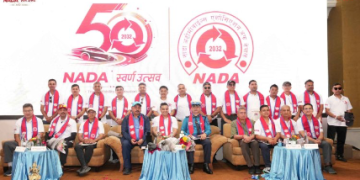
KATHMANDU: Nepal’s automobile market has changed significantly over the past three decades. From a market with only a few brands such as Sipradi, Maruti Suzuki and Toyota, it has now grown into a highly competitive market with dozens of international brands.
Shambhu Prasad Dahal, a former president of NADA and a veteran of Nepal’s automobile industry, has witnessed much of this change firsthand.
“When I started, only a few brands were present in Nepal. Cars were mostly bought by people with enough money to afford them,” Dahal says.
The automobile business was also difficult during the Maoist conflict. However, the sector started growing after the peace process. Over time, people began seeing vehicles not just as luxury products but as a necessity.
Dahal says the dynamics of the entire automobile industry have now changed.
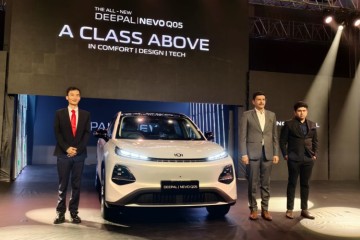
The market has become highly competitive, while Chinese EV brands have gained a strong position. However, he believes there is still room for brands from other countries.
“Having more choices for consumers is one of the most beautiful parts of a free market economy.”
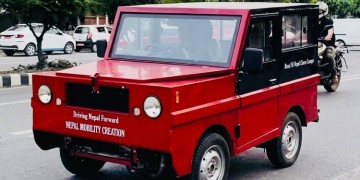
According to Dahal, international products are entering Nepal based on market demand. At the same time, locally made products are also starting to emerge.
He believes the growing competition should be seen as part of the market’s development rather than only as a challenge.
“Competition is increasing. We have to find success in this challenging market. There is no alternative to being optimistic about the future,” he says.
NADA Auto Show continues to grow in scale
The NADA Auto Show has now become one of Nepal’s major automobile events. However, Dahal says it did not reach its current scale overnight.
He had the opportunity to serve as the coordinator of the NADA Auto Show for five consecutive years. At that time, efforts were made to improve the size, presentation and management of the show.
“Former NADA President Shekhar Golchha told me, ‘Dahalji, you will now look after the auto show.’ I accepted the responsibility,” Dahal recalls.
However, he says the growth of the show was not the work of one person. It was the result of teamwork. He says the teamwork culture developed at Sipradi was also brought into the auto show. As the team worked together, the scale of the event grew.
New and professional vendors were introduced. The management system was changed, and efforts were made to apply the same rules to all participants.
The size of the stalls was gradually increased. Organizers also tried to bring international-level presentation standards to the show. As the environment improved, businesses started investing more in the event. This helped make the auto show more attractive and vibrant.
The auto show and its bottom line
Dahal also had the opportunity to lead NADA. During his time as president, he says he often remembered a lesson from his business mentor Prabhakar Shamsher.
“At the end of the day Dahalji, we have to count the money.”
He says some people may not agree with the idea of a social organization making money. However, he believes earning from the auto show was not wrong.
The organization needed funds to carry out other activities and social work. Therefore, when he was president, his target was to save Rs. 10 million from each auto show.
He says the organization eventually saved more than Rs. 11.8 million from one show.
Stall prices were also increased during that period. Dahal says he believes that a manager should always work backwards from the desired result.
Despite the higher prices, the stalls were sold without much difficulty. He credits the support of automobile businesses for helping establish the NADA Auto Show as a major exhibition.
NADA vs NAIMA: It’s not the organizations at fault, it’s ego
There are now two active automobile associations in Nepal, NADA and NAIMA. Their relationship, representation and positions on government policies have been subjects of discussion in the industry.
Dahal does not believe that having two organizations is itself a problem. He says the focus of business associations should be on business interests rather than personal ego.
“There should be competition in the market, but not because of ego. It should be purely professional.”
According to Dahal, both NADA and NAIMA can protect the interests of automobile businesses if they work without personal differences.
He believes neither organization can simply replace the other. “NADA has its place, and NAIMA has its place. Both should be able to work together for business interests,” he says.
He also believes that the two organizations should present common positions when meeting the government instead of opposing each other.
NADA’s strength lies in its large representation, while NAIMA can present the views of businesses with a different structure. Dahal says cooperation on common issues would benefit both sides.
Competition between auto shows should benefit customers
Dahal says the biggest benefit of having multiple auto shows should go to consumers. Three decades ago, customers had very few brands and choices. Today, the competition is much stronger.
“Earlier, there were only two or three products. Now there is cut-throat competition.” The competition is no longer limited to automobile dealers. Banks, financial institutions, insurance companies and dealers are all competing to attract customers.
He believes consumers are benefiting from this competition, which he considers one of the most positive aspects of the current market.
Special attraction towards Yatri
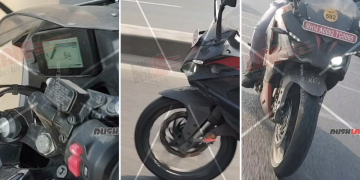
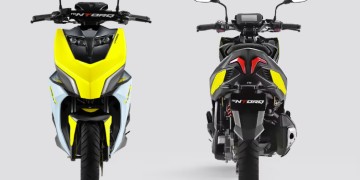
Although Dahal says he has completely stepped away from the automobile business, he still closely follows one Nepali brand: Yatri Motorcycles.
He says he has seen the dedication and creativity of the team behind Yatri motorcycles and scooters and has been impressed by their work.
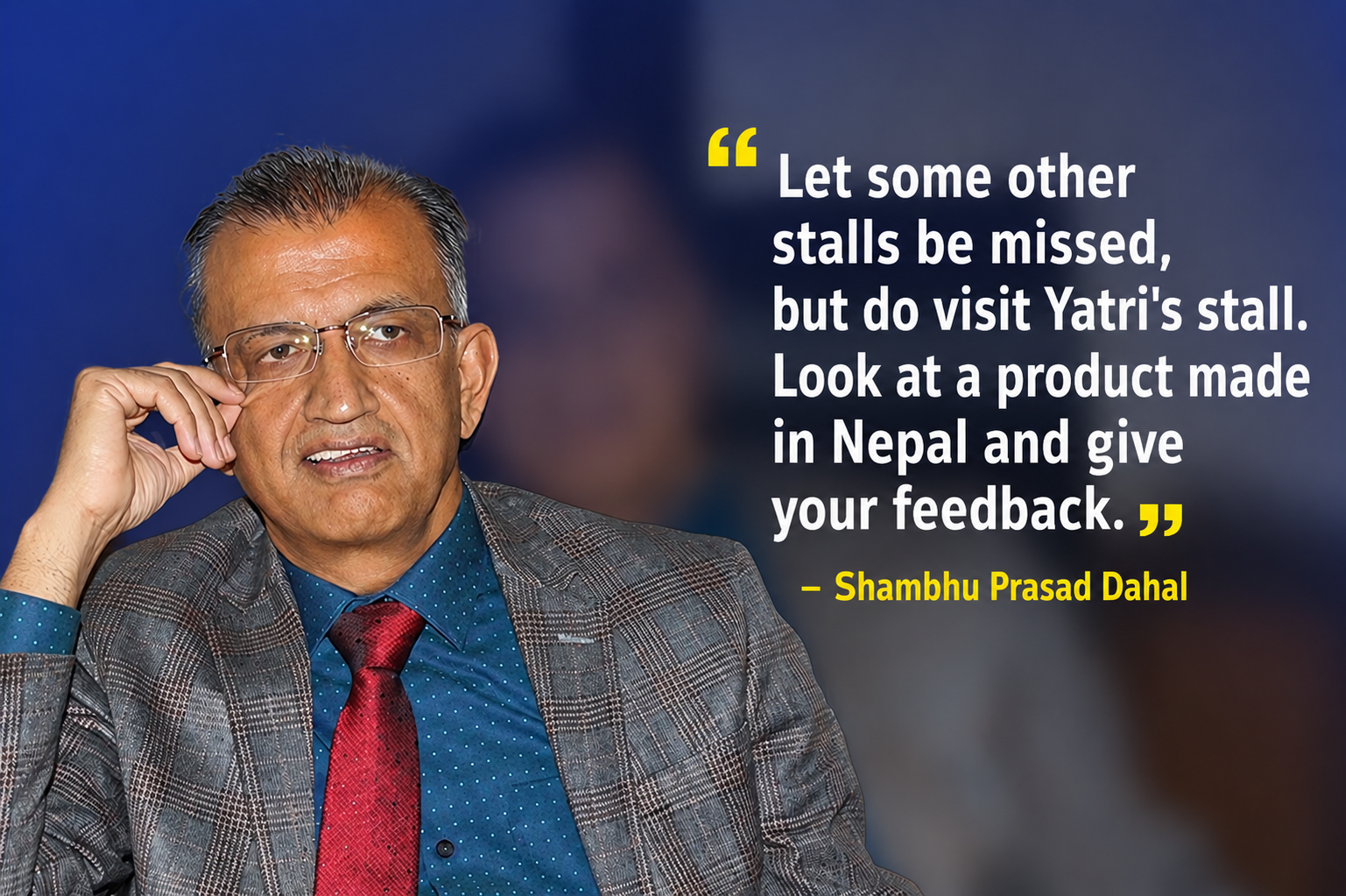
“Let some other stalls be missed, but do visit Yatri’s stall. Look at a product made in Nepal and give your feedback.”
Dahal believes that if a product made in Nepal meets international standards, Nepali consumers should feel both ownership and pride towards it.
He says product designers are not only engineers or business people. They also need the creativity of artists. He is impressed that the Yatri team has understood the needs of the Nepali market and moved from motorcycles towards scooters.
Dahal believes this could bring a major change to Nepal’s automobile and mobility sector. He also says Yatri’s engineering team appears capable of developing world-class products without making too much noise about its work.
Looking ahead
Dahal says Nepal has gone through war, political instability, market expansion, new brands and major technology changes over the past 30 years.
Today, the market is seeing a rapid increase in EVs and Chinese brands. Competition is becoming stronger, while traditional business structures are also changing.
The automobile industry’s organizations have also become divided. However, Dahal does not see this as the end of the sector. Instead, he believes consumers now have more choices.
“It is human nature to think the past was better and the future will be difficult. But there is no alternative to being optimistic about the future.”
He believes more competition, more organizations and more brands can be positive for the industry if business interests remain more important than ego.
“Competition should increase and brands should continue to grow. But we must put business interests above ego. Ultimately, everyone has to work together to make the sector stronger.”
(Based on a conversation with former NADA President Shambhu Prasad Dahal)