KATHMANDU: Nepal’s electric vehicle market has grown rapidly over the past two years, bringing a large number of new brands into the market.
More than two dozen EV brands, mostly from China, have entered the Nepali market during this period. While the growing use of EVs is positive for the automobile industry, the rising number of brands is also creating challenges for both dealers and customers.
Nepal’s passenger car market is still relatively small, with annual sales of around 15,000 units. This makes it difficult for a large number of brands to remain in the market for the long term.
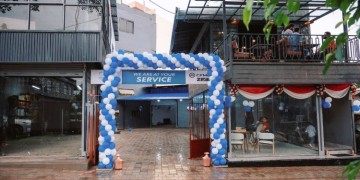
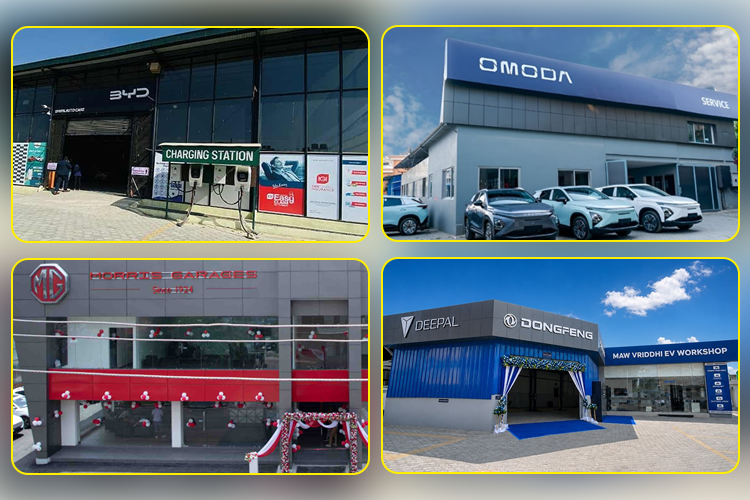
As competition increases, after-sales support is becoming increasingly important. Service centers, trained technicians, spare parts, charging facilities and long-term customer support are now key areas for EV distributors.
Several major EV distributors in Nepal are therefore expanding their service networks along with their sales operations.
BYD: expanding the service network
BYD is among the EV brands with the highest sales in Nepal. Its authorized distributor, Cimex Inc., currently has 13 service centers operating through its own facilities and dealers.
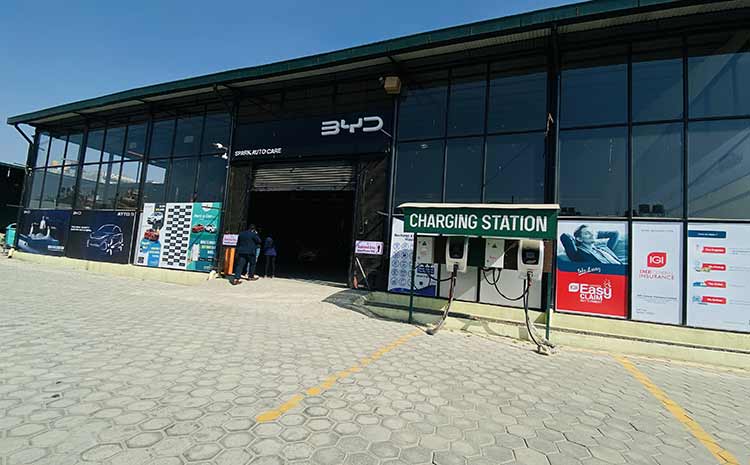
Cimex has said it plans to increase the number to 18 by the end of the current fiscal year. The expansion is aimed at reducing pressure on existing service centers as the number of BYD vehicles on Nepal’s roads continues to grow.
Cimex already has authorized service facilities in locations including Kathmandu, Lalitpur, Chitwan, Dang and Birtamode.
MG: building on an established service network
Paramount Motors, the authorized distributor of MG in Nepal, has invested in EV service infrastructure from the early stage of its business.
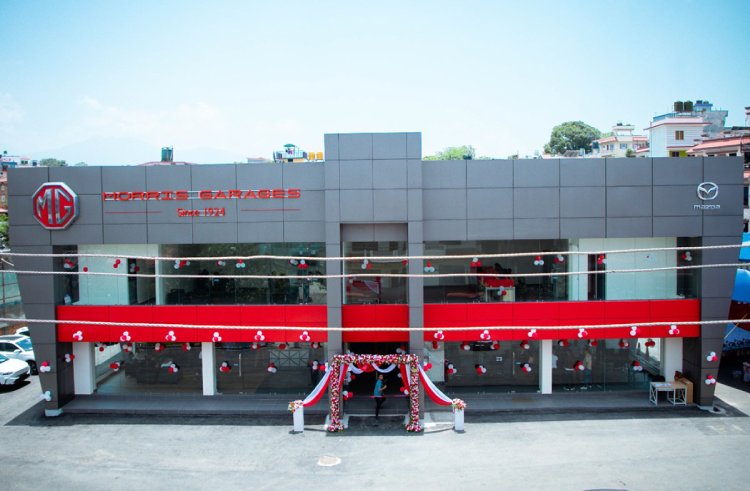
The company operates a major service facility in Kusunti, Lalitpur, along with service facilities in other parts of Kathmandu Valley and across the country. MG’s current service network includes locations such as Bhaktapur, Biratnagar, Janakpur, Birgunj, Pokhara, Butwal, Dhangadhi and Nepalgunj.
The company has also planned further expansion, including a service facility in Lahan. Paramount says it will continue to increase service capacity as the number of MG vehicles grows.
Sharda Group: Expanding dedicated service facilities
Sharda Group has also expanded its presence in Nepal’s growing EV market through SPG Automobiles and other businesses. SPG represents Omoda, Jaecoo, Chery Q, Zeekr and iCAUR in Nepal.
The company says it currently operates 11 service centers across Kathmandu Valley and other parts of the country. It plans to add another facility in the Valley within six months and a new center in Itahari within three months.
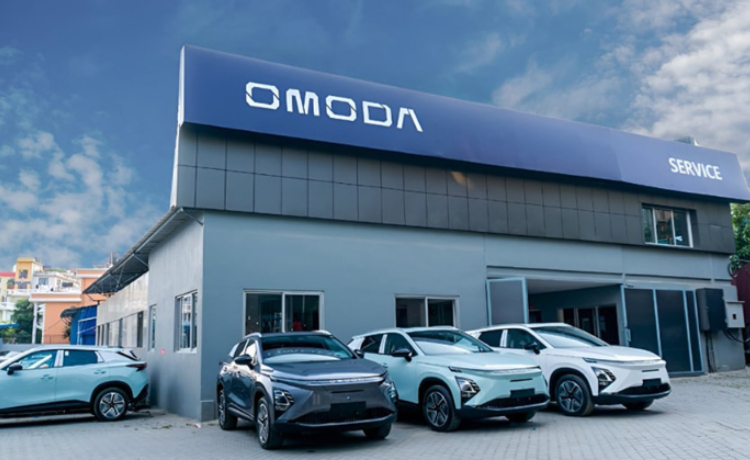
The group also has long experience in the Nepali automobile business. It has been using its existing technical workforce and after-sales experience to support its newer EV brands.
SPG’s service network for iCAUR currently covers locations including Kathmandu, Bhaktapur, Biratnagar, Birgunj, Birtamode, Butwal and Dang, among others.
MAW Group: expanding sales and service together
MAW Group has also been expanding its Chinese EV portfolio with brands such as Seres, Deepal and Nammi.
The group says it has more than 60 years of experience in the automobile and service business. Its current network covers a large number of locations across Nepal, with separate service facilities for Nammi and Deepal.
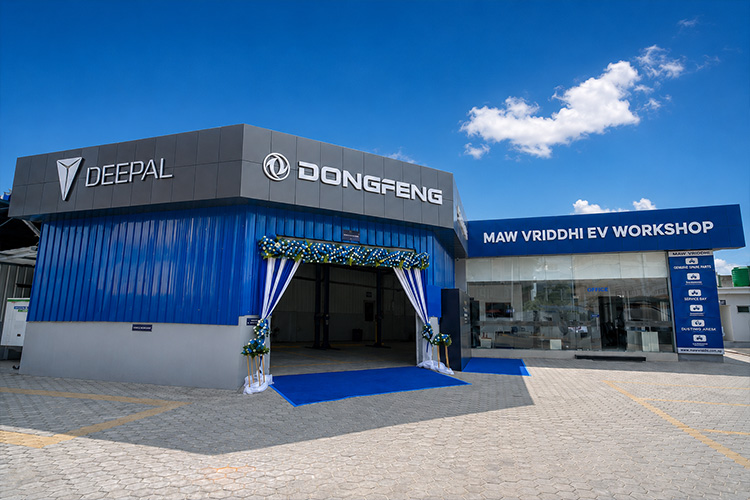
MAW says Nammi has 12 service centers across the country, while Deepal has nine service locations. It is also expanding service capacity in Kathmandu Valley to handle the growing number of vehicles.
The group is also investing in EV charging infrastructure as part of its after-sales strategy.
Great Wall Motors: service infrastructure before sales growth
Great Wall Motors (GWM), represented by V.G. Impex in Nepal, has not yet reached the sales volume of some of the country’s leading EV brands.
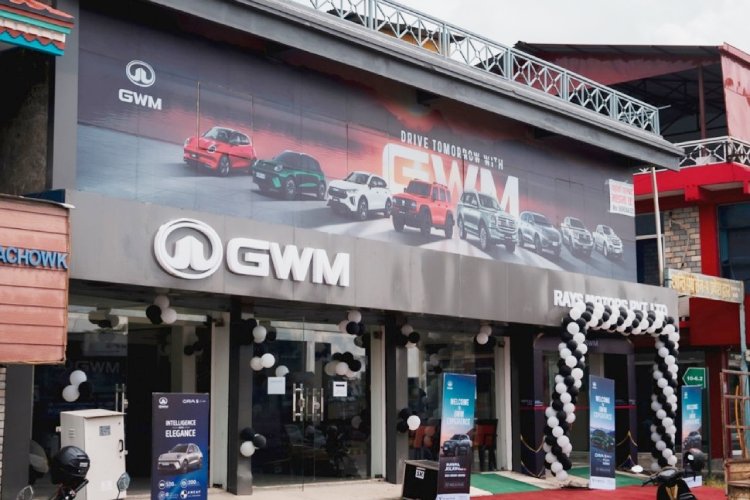
However, the company says it has been investing in after-sales infrastructure as it prepares to expand its market presence.
GWM has a large service facility near UN Park in Lalitpur. It also plans to add another facility in the Kathmandu Valley.
The company says it currently has service facilities in seven locations across Nepal, with construction underway at six more locations.
Laxmi Group: Using existing experience for new EV brands
Laxmi Group has also expanded into several Chinese brands through Laxmi E-Mobility and Laxmi MotorHub.
Its portfolio includes brands such as Jetour, Arcfox, BAIC, Kaiyi and Forthing. The group can also draw on its long experience in sales and after-sales operations through Hyundai in Nepal.
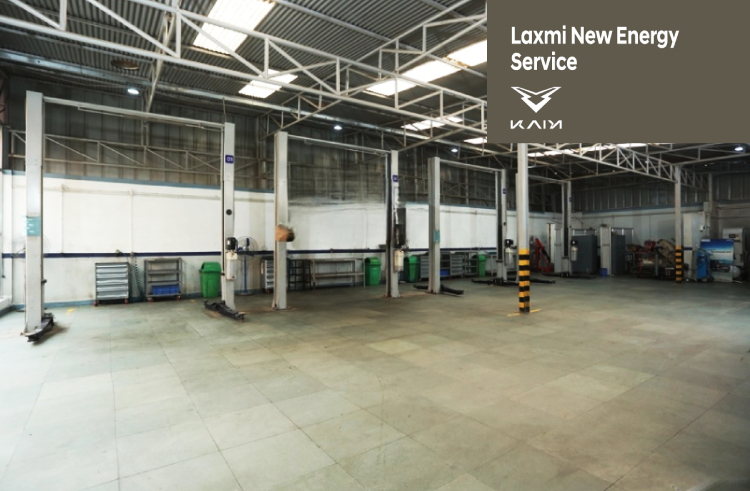
The company says it has already established Chinese-brand service facilities at six locations. Another seven locations are currently under development.
The expansion is aimed at supporting the growing number of vehicles from its newer brands.
CG Motors: expanding beyond passenger cars
CG Motors has also been expanding rapidly in the EV market. Its strategy is not limited to passenger cars, as the company is also increasing its presence in electric commercial vehicles.
The company says it has a dealer network covering 44 locations across Nepal. It is gradually adding service facilities across the network.
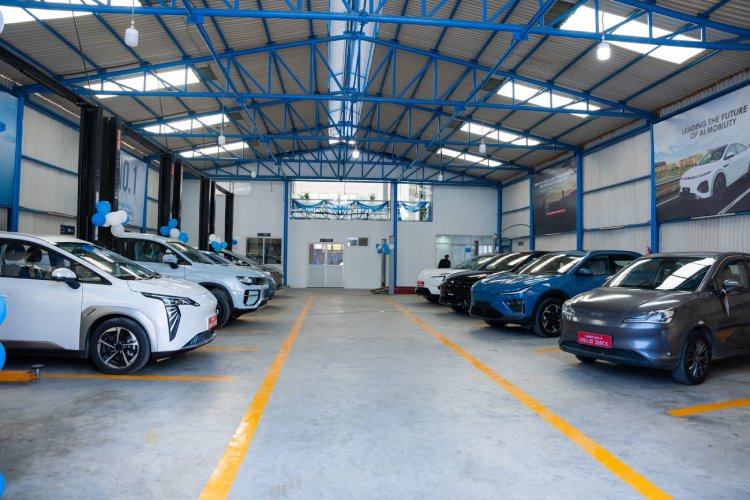
CG Motors is also expanding its charging infrastructure. Its charging network currently includes several locations linked to its showrooms and service centers.
As the use of electric commercial vehicles increases, regular servicing and access to charging facilities will become increasingly important.
Leapmotor: sales and service expansion together
Shangrila Motors, the authorized distributor of Leapmotor in Nepal, has also been expanding its sales and after-sales network.
The company has developed a new service facility in Kathmandu Valley and is expanding its network alongside its growing product lineup.
Leapmotor currently has service facilities in Kathmandu Valley and outside the Valley. The company also plans to add another facility in Bhaktapur.
Spare parts remain a major challenge
Despite the expansion of service networks, spare parts remain one of the major challenges for Nepal’s EV market.
Customers have raised concerns about the price and availability of parts. Parts for newer brands can be expensive, while some items may not be immediately available in Nepal.
Import procedures can also increase the time required to bring parts into the country.
As more EVs enter the market, distributors will face pressure not only to increase sales but also to maintain adequate spare-parts stock and improve availability and pricing.
For customers, the long-term strength of an EV brand will depend not only on the vehicle itself, but also on how easily they can access service, parts and technical support after the purchase.