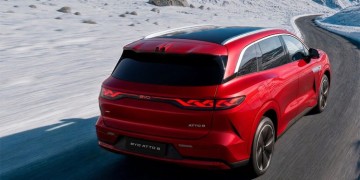
KATHMANDU: Chinese automaker BYD has maintained its lead in global electric vehicle (EV) sales for the third straight quarter, surpassing U.S. rival Tesla according to global news agencies.
Between April and June, BYD sold 606,993 EVs, a 42.5% increase from the same period last year. In comparison, Tesla delivered 384,122 vehicles, marking a 13% year-on-year drop.
BYD’s growth was supported by attractive discounts and limited-time price offers, including price cuts of up to 34% on 22 models in May.
The two companies have been closely competing for the top spot in global EV sales since 2023. However, they are both facing challenges such as slowing demand, global economic uncertainty, rising tariffs and increasing competition in the EV market.
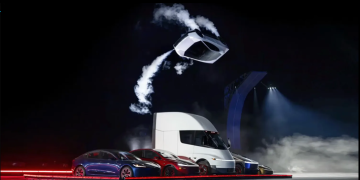
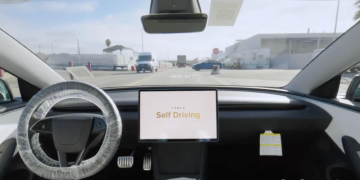
Tesla, in particular, has been under pressure due to its aging product lineup and a shift in focus towards autonomous driving technology. CEO Elon Musk recently unveiled a robotaxi service in Austin, Texas, and showcased a driverless Model Y that completed a 20 km journey without human intervention.
Despite such innovations, Tesla’s overall sales have declined.
The company’s financial performance has also faced hurdles. Tesla narrowly avoided a loss in the first quarter, mainly due to $447 million in revenue from selling clean air credits.
However, there are growing concerns over the future of these credits, as former U.S. President Donald Trump has proposed eliminating them.
Tensions have also risen between Musk and Trump, with political disagreements reportedly impacting investor sentiment. Musk has faced criticism for his political involvement and controversial public statements, which some analysts believe have contributed to Tesla’s nearly 30% stock decline this year.
While Tesla continues to invest in autonomous driving as its long-term strategy, the company is navigating a complex landscape of competition, regulation and political uncertainty.
Meanwhile, BYD’s consistent growth and competitive pricing have helped it strengthen its position in the global EV market.