KATHMANDU : Chinese battery maker CATL plans to expand its EV battery repair network to 100 cities worldwide by the end of 2026.
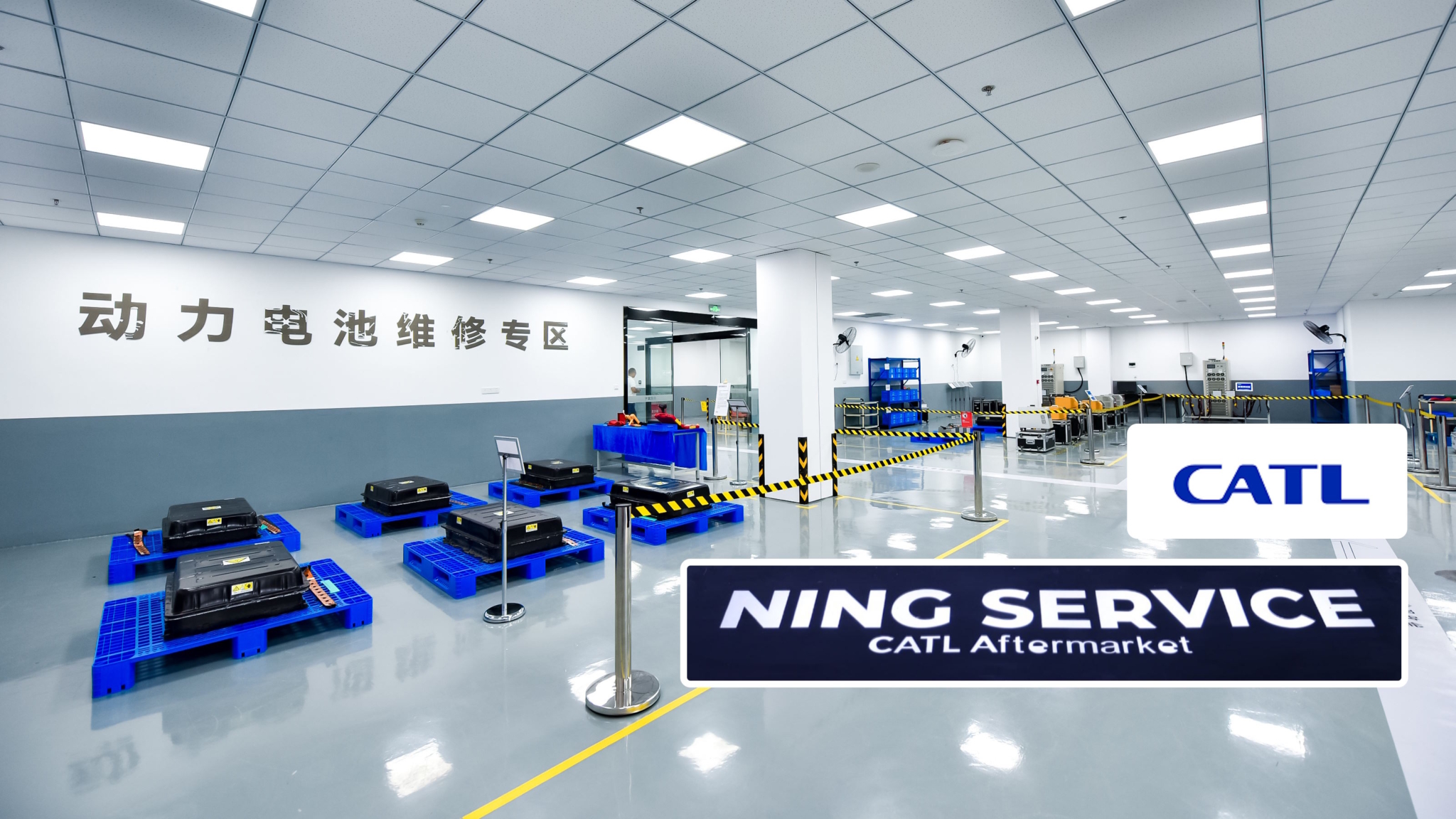
The company announced the plan at its ‘Ning Day 2026’ event in Haikou, China. CATL will operate the new service centers directly and use automated systems and robots for battery diagnostics and repairs.
The company aims to complete battery repairs within 72 hours or less.
CATL currently has eight directly operated ‘Ning Service’ centers in China. It also has two international centers in Norway and Istanbul.
The wider Ning Service network includes 1,376 franchised service centers across 84 countries. It also supports 1,505 battery swap stations in CATL’s Choco-Swap ecosystem.
CATL launched Ning Service in late 2024. It opened its first directly operated service center in Shanghai in 2025.
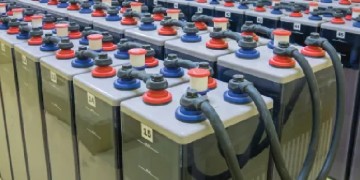
The company is focusing on repairing individual battery cells and components instead of replacing the entire battery pack. This could significantly reduce repair costs for EV owners.
CATL has previously targeted a reduction in battery repair costs from around 100,000 yuan to 10,000 yuan.
The latest Ning Service centers are designed to support a wider range of new energy vehicles. CATL says the network can currently repair around 76.8% of NEV models sold in China, compared with 47% previously.
The repair centers use robotic systems for several processes. These include cutting, painting and applying adhesive to battery packs.
CATL has also introduced electric mobile repair trucks under the Ning Service brand. The trucks have a claimed range of up to 800 km.
The mobile units can perform 30 diagnostic checks and 50 types of repairs, according to CATL. They can handle around 90% of non-deep-repair cases.
CATL says mobile repairs can reduce repair time from 72 hours to around 48 hours for suitable cases. More complex jobs, such as cell replacement and battery pack refurbishment, will require dedicated service centers.
The expansion is aimed at addressing growing concerns over EV battery life, degradation and repair costs. CATL expects a wider after-sales network to improve battery support and reduce the need for complete battery pack replacements.