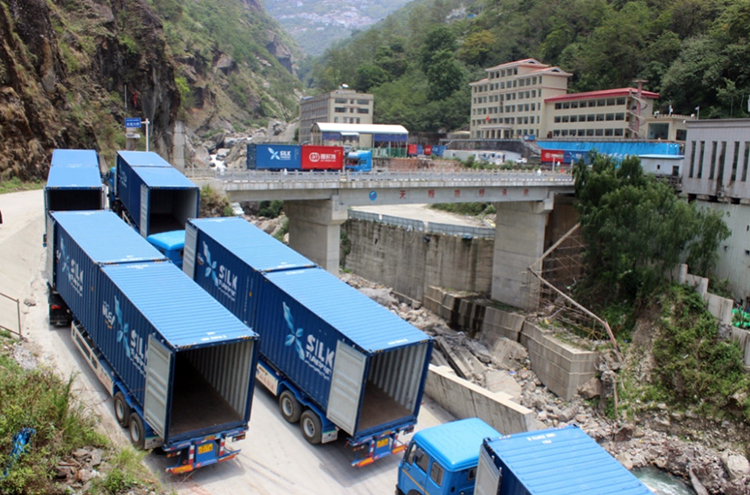
KATHMANDU: Nepal has 14 border points for trade with China, but most open only for limited hours and mainly serve local residents of border districts. For regular commercial trade, Rasuwagadhi and Tatopani are the two key checkpoints. Although Korala border point was brought into operation from mid-August as an alternative, it has not proven reliable or convenient.
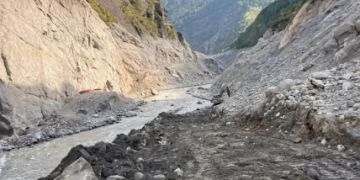
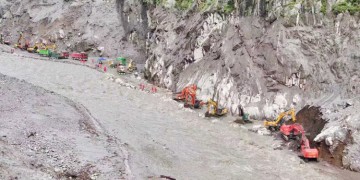
The main Rasuwagadhi border has remained closed since July 8, after floods in the Lhende River washed away the Friendship Bridge connecting the two countries. Trade has been halted for over five months.
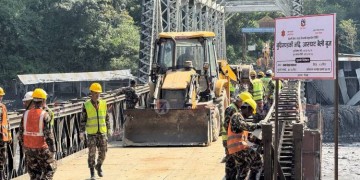
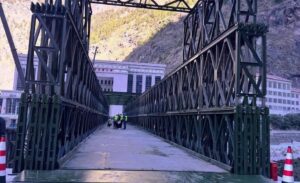
While a Bailey bridge has already been constructed, it has yet to come into operation.
During the monsoon, both Tatopani and Rasuwagadhi were closed, prompting authorities to open Korala as an alternative from mid-August. Despite the long distance and difficult terrain, goods; including EVs were imported via Korala during the Dashain–Tihar festive season.
However, with the onset of winter, imports through Korala have now come to a halt.
At present, Tatopani is the only operational border point for trade with China. Even here, imports have been affected due to what businesses describe as an “unofficial blockade” by China.
Authorities in Nyalam, under China’s Tibet Autonomous Region, have tightened restrictions on container movement, preventing Nepali traders from receiving goods as per their orders.
While Chinese authorities allow goods purchased by Nepali traders to reach Nyalam, movement onward to Tatopani has been restricted. The Chinese side has cited ongoing infrastructure construction in Khasa Bazaar and other parts of Tibet as the reason for limiting container movement.
Although the Arniko Highway, often closed during the monsoon due to landslides is currently operational, Chinese restrictions have prevented traders from importing required volumes through Tatopani.
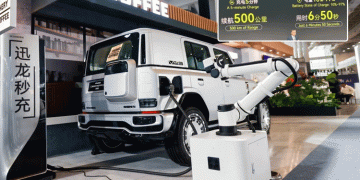
According to traders, goods ordered for Teej, Dashain, and Tihar festivals have yet to arrive due to the container restrictions. Stuck items include garments, stationery, electronics, and sports goods. Fruits and electric vehicles, however, are entering more regularly.
Ram Hari Karki, President of the Nepal Himalaya Cross-Border Commerce Association, said goods ordered five months ago are still stuck. “Items ordered before Teej via Tatopani have not arrived yet. First, floods and landslides blocked roads, and now the Chinese side is making excuses and not releasing containers. Traders are facing heavy losses due to delayed imports,” he told MeroAuto.
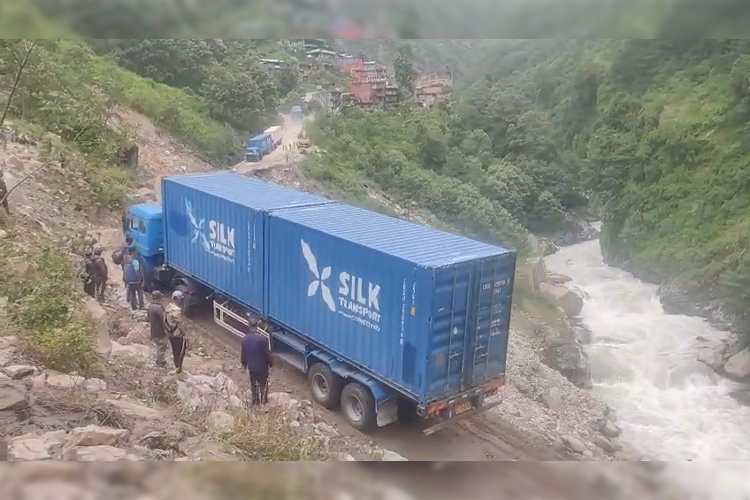
Under normal conditions, 35–40 containers used to enter daily through Tatopani. Currently, only about 10–15 containers are coming in. Karki estimates that 800–900 containers carrying Nepali traders’ goods are stuck in locations such as Lhasa, Nyalam, and Kerung. While there is no exact figure, traders estimate goods worth over Rs 10 billion are held up.
Repeated road blockages and Chinese restrictions have also caused perishable items like fruits and garlic to rot, resulting in losses worth millions of rupees.
Tatopani Customs Office Chief Rajendra Prasad Chudal confirmed that imports are not meeting traders’ demands. “Imports have not completely stopped, but they are far below order volumes,” he said, noting that daily arrivals have dropped from an average of 35 containers to around 10–15.
Nearly 80 percent of daily imports currently consist of fruits, limiting the inflow of other goods. He added that no major complaints have been reported regarding EVs and spare parts.
Goods owned by Nepali traders are transported up to the border region by Chinese containers and then transferred to Nepali containers for delivery to the dry port at Larcha under Tatopani Customs. Tatopani lies about 44 km from Nyalam. Additionally, over 200 containers that had gone to Kerung to collect goods via Rasuwagadhi are also stuck there.
Requests go unanswered
Despite repeated requests by trade associations to the Nepal government and the Chinese Embassy in Nepal, the Chinese side has not responded positively, Karki said.
Government authorities have also sent multiple letters to Chinese officials in Nyalam and through the Chinese Embassy in Beijing seeking smoother container movement. While assurances were given, no change has been seen on the ground.
During a farewell meeting on December 17, Prime Minister Sushila Karki also raised the issue with Chinese Ambassador Chen Song. Although China pledged to ease the situation, restrictions remain in place. Traders believe China’s continued tightening has placed Nepali businesses under severe strain.
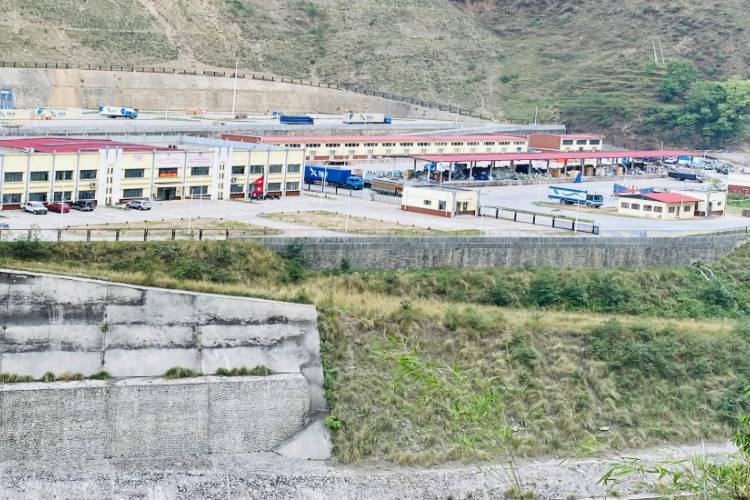
With Rasuwagadhi expected to reopen soon, traders hope for some relief. However, they fear conditions may remain unchanged if Chinese behavior does not improve.
Revenue target hit hard
Irregular imports due to floods, local obstructions, and China’s unofficial restrictions have dealt a serious blow to revenue collection at Tatopani Customs.
Chudal said the office has a revenue target of Rs 24.47 billion for the current fiscal year. However, in the first five months, only 23.7 percent, around Rs 5.8 billion has been collected.
To meet the annual target, the office would need to collect an average of Rs 2.04 billion per month, meaning over Rs 10 billion should have been collected by now. No monthly target has been met so far.
“Floods, landslides, local obstructions, and Chinese restrictions have prevented imports as per demand. Roads were closed for nearly 100 days in the past five months,” he said. With less than one-quarter of the target achieved in five months, meeting the annual goal now appears unlikely. Moreover, once Rasuwagadhi reopens, imports through Tatopani are expected to decline further, adding to the challenge.