KATHMANDU: China has exempted sodium-ion batteries from consumption tax until the end of 2028, giving the new technology a temporary edge over lithium-ion batteries, according to CarNewsChina.
From September 1, 2026, certain lithium-ion batteries face a 2 percent consumption tax, rising to 4 percent from September 1, 2027. Sodium-ion batteries, solid-state batteries and fuel cells remain exempt until December 31, 2028, if they meet national standards.
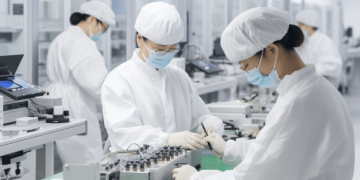
HiNa Battery has signed an agreement to build a sodium-ion production base in Wuhan with an annual capacity of 10 GWh. The first phase will produce 3 GWh, with construction starting in early 2027 and initial production expected before the end of that year. The company is also working with Chengli Special Automobile Group on sodium-ion electric sanitation vehicles, with prototype work to begin in 2027.
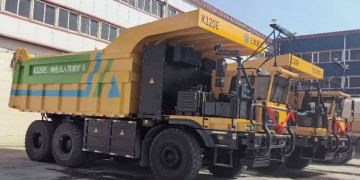
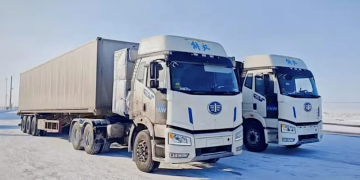
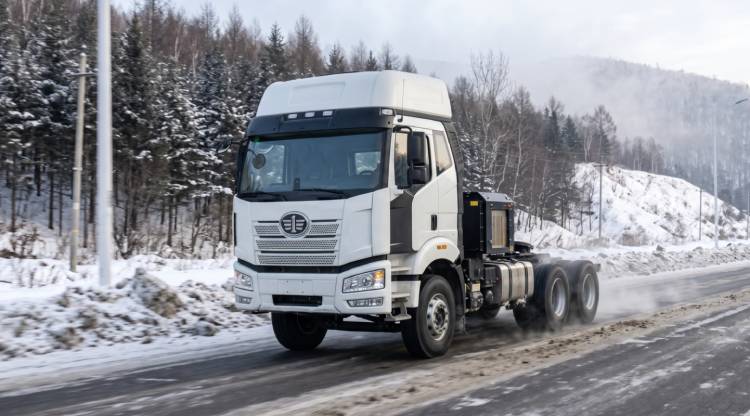
The batteries have already been tested in heavy vehicles. An electric FAW Jiefang tractor with a 339 kWh sodium-ion battery covered over 15,000 km in nearly seven months. The battery kept more than 90 percent of its usable capacity at minus 40 degrees Celsius.
Challenges remain. HiNa’s batteries offer at least 145 Wh/kg, which is lower than that of lithium-ion batteries. Production costs are also high, and falling lithium prices have reduced sodium-ion’s cost advantage over LFP batteries. Wider adoption will depend on cost, energy density and performance in different vehicles.