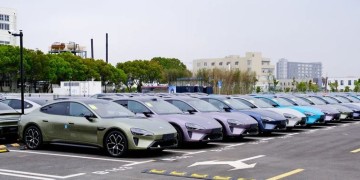
KATHMANDU: Chinese electric vehicle makers are strengthening their presence in India’s fast-growing EV market, increasing competitive pressure on local manufacturers.
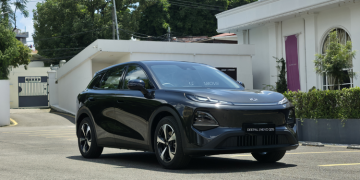
Brands backed by Chinese companies, including BYD, MG, and Volvo, now account for nearly one-third of India’s electric passenger vehicle sales, according to data from Jato Dynamics.
In 2019, Chinese brands recorded no battery electric vehicle sales in India. By October this year, their sales reached 57,260 units, capturing 33 percent of market volume.
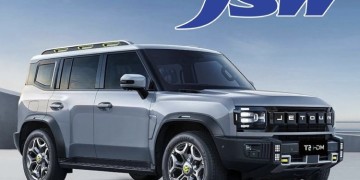
MG Motor, operating under the JSW–SAIC joint venture, has emerged as the strongest contributor among Chinese-backed automakers. “Our growth momentum in India is driven by exceptional customer-centric innovations and a deep understanding of local market needs,” said Vinay Raina, chief commercial officer at JSW MG Motor India.

BYD has expanded steadily, supported by demand from commercial and fleet buyers.
Volvo Cars, owned by China’s Geely, continues to build a premium EV presence and has committed to introducing one new electric model each year. “Our growth in India is driven by a strong and loyal customer base and our accelerated focus on electrification,” said Jyoti Malhotra, MD of Volvo Car India.
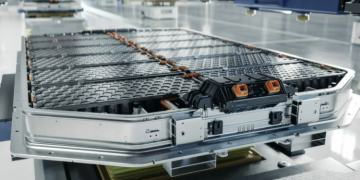
Industry analysts say Chinese players have broadened consumer choice and accelerated the adoption of advanced battery technology, premium features, and faster product cycles.
Their entry has pushed the market toward higher standards in technology and reliability.

Despite this rapid rise, Indian automakers remain the dominant force. Tata Motors and Mahindra & Mahindra continue to lead, with Indian-owned companies delivering 101,724 BEVs by October, up from 74,442 units last year.
Localization, affordability, and alignment with government policies such as FAME-II and the PLI scheme have strengthened domestic players. “Localisation, affordability, wider geographic reach and strong policy alignment have worked,” said Ravi Bhatia, president of Jato Dynamics.
With more Chinese EV makers exploring India, including Xpeng, Great Wall, and Haima, analysts expect competition to intensify further, especially as diplomatic ties between New Delhi and Beijing show signs of improvement.