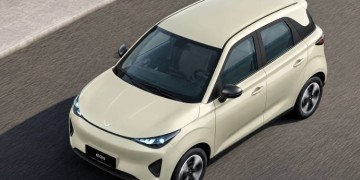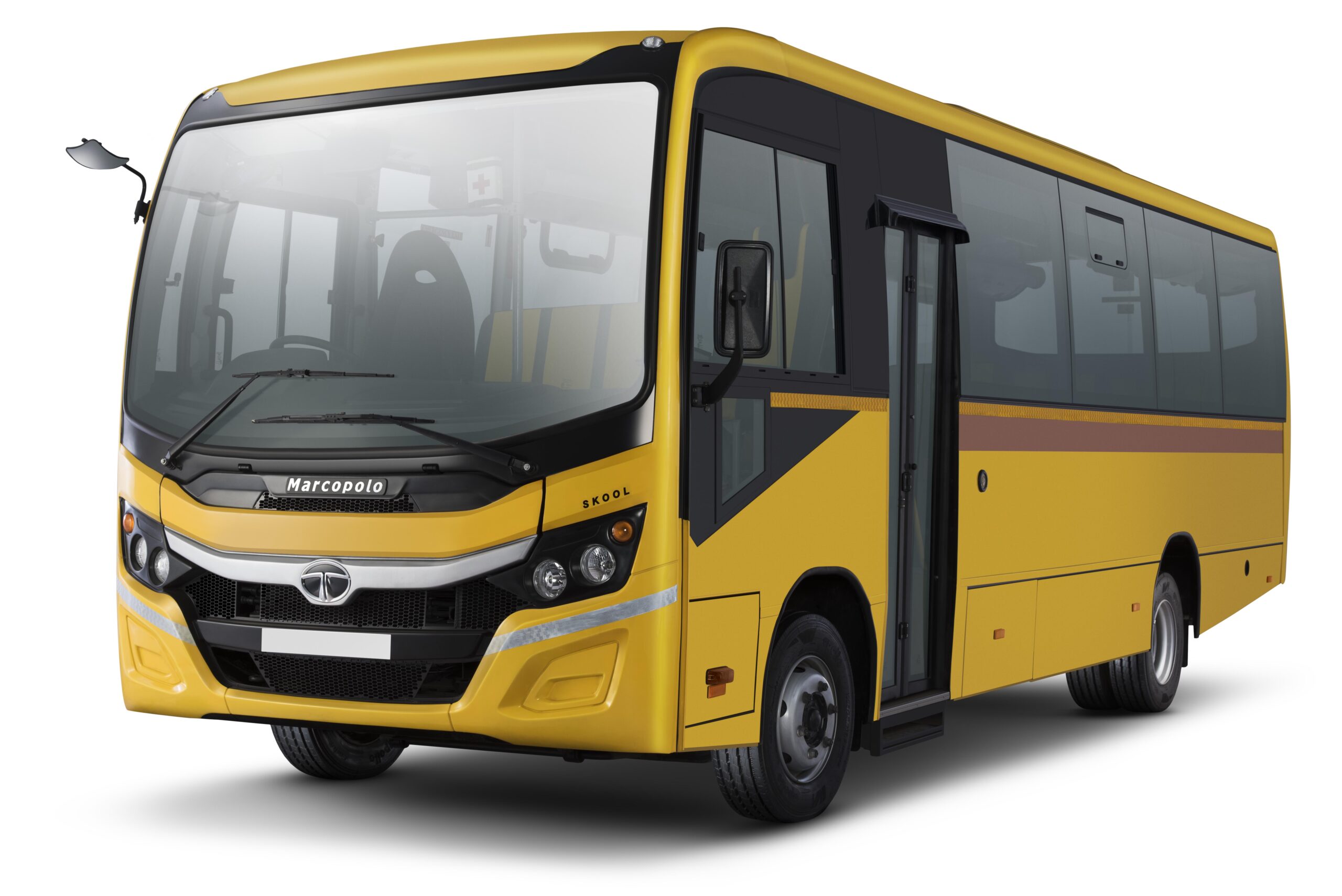
KATHMANDU: Public transport vehicles in Nepal have long been classified by the number of seats.
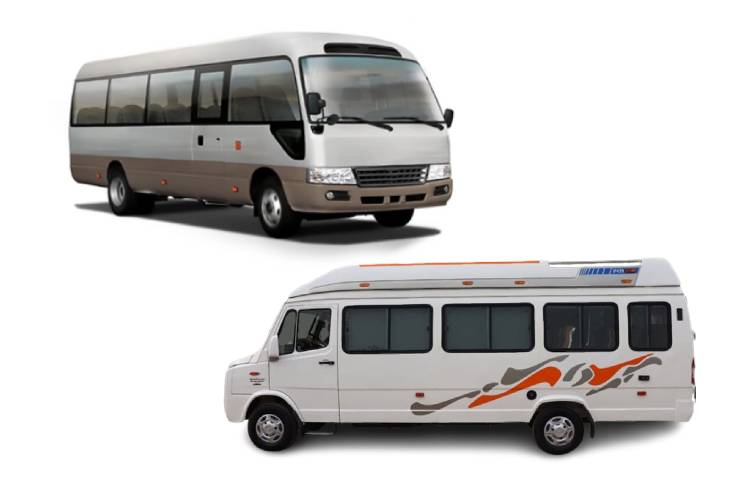
Buses with 11 to 14 seats are classified as microbuses, those with 15–25 seats as minibuses, and those with more than 25 seats as buses. Customs duty and other taxes are levied accordingly.
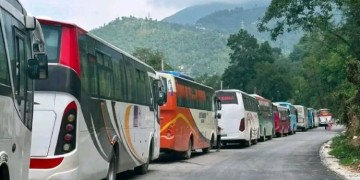
However, imports of buses with 26–30 seats have come to a standstill after some traders began altering seat sizes to increase capacity to qualify for lower duties. For the past one and a half months, vehicles imported as 30-seat bus have failed to clear customs because their seat dimensions did not meet the standards set by the government. As a result, the customs office has classified them as minibuses, which are subject to a higher tax rate.
Importers say that since these vehicles have not been imported since the budget announcement in mid-July, there has been a shortage of 30-seat buses in the market.
Some importers have been modifying 25-seat minibuses by reducing seat sizes to fit up to 30 seats. In the past, these vehicles used to be cleared by the customs office based on documents provided by the importers. But as cases of tax evasion increased, customs offices started taking physical measurements of seat sizes.
Imports of buses with 26–30 seats have come to a standstill after some traders began altering seat sizes to increase capacity to qualify for lower duties.
The issue mainly involves school and tourist buses imported from India. Under the Financial Act, minibuses with 15–25 seats are taxed at a total of 116.17%, while buses with more than 25 seats are taxed at only 68.13%. “Since traders could avoid 48.04% tax by increasing the seat count on smaller buses, they started manipulating seat dimensions,” said an official at the Department of Customs.
As per the Vehicle and Transport Management Regulations (Ninth Amendment), 1997, each seat in a standard bus must be at least 15 inches long and wide, with a backrest height of 18 inches, a central aisle of at least 14 inches, and legroom of at least 11 inches. A bus with a “three-by-two” seat arrangement should have an interior width of at least 89 inches. However, many buses being imported have narrower widths and reduced legroom so that more seats can be fitted.
According to traders, the import of “three-by-two” buses in the 26–30-seat range has been affected the most. Since most buses do not meet the minimum width requirement, customs offices are treating them as minibuses for tax purposes. Many traders are delaying clearance as minibuses attract higher tax rates.
Large buses with more than 30 seats, however, are entering the market without issue.
“This is not because of the government. This is because traders tried to import minibuses as buses by manipulating seat sizes,” one importer told MeroAuto. “Since customs offices were not strict before, those buses were entering without any hindrance. There is no alternative to paying minibus tax if seat standards cannot be met.”
If customs clearance is delayed, it will only increase the cost for importers.
“No Added Restrictions”
Deepak Lamichhane, chief of the Birgunj Customs Office, said the government has not introduced new standards. “The Financial Act has set the tax rates, and the Vehicle and Transport Management Regulations has specified seat sizes. We are simply checking if they match,” Lamichhane told Mero Auto. “Traders have caused their own problems by trying to evade taxes. If they pay according to the law, there is no issue in clearing customs.”
Lamichhane said customs officers now verify seat sizes with measuring tapes if there is any doubt about the documents or seat size. He added that bus imports may also be slightly down because of the off-season.
Since the start of the new fiscal year in mid-July, fewer than 10 minibuses have been imported.
The practice of altering vehicle specifications to reduce taxes is not new. In the passenger car segment, some importers have been found lowering engine power to evade taxes.
Ram Prasad Regmi, chief customs officer at Bhairahawa, also said they have not imposed new restrictions. “We clear vehicles based on the classifications and standards set in the Financial Act and the Transport Management Regulations,” he said. “Some buses could not be cleared because their seat sizes were smaller than specified in the regulations. This is a problem caused by traders, not the state.”
The practice of altering vehicle specifications to reduce taxes is not new. In the passenger car segment, some importers have been found lowering engine power to evade taxes. The Office of the Auditor General’s 62nd report stated that this has cost the state a loss of Rs 3.77 billion in revenue.
Nepal currently imports buses mainly from Indian brands such as Tata, Ashok Leyland, Force and Isuzu.
A total of 68.13% tax (customs 30%, excise 5%, Road Construction Fee 9%, VAT 13%) is applied on diesel buses with more than 25 seats. Similarly, a 116.17% tax (customs 30%, excise 35%, road construction fee 9%, VAT 13%) is levied on minibuses with 15–25 seats.