KATHMANDU: India is preparing to speed up the rollout of E100 flex fuel as the country looks to reduce crude oil imports amid rising global energy supply concerns linked to the ongoing West Asia crisis.
According to Indian media reports, the government plans to set up 5,000 E100 fuel dispensing stations across the country within the next two years. The first 150 retail outlets are expected to become operational within a month in Delhi, Mumbai, Pune, and Nagpur.
The expansion of E100 infrastructure will later reach Bengaluru, Chennai, Kolkata, and Hyderabad within the next 6 to 12 months.
The Indian government has already shared a detailed flex-fuel roadmap with vehicle manufacturers and oil marketing companies. Major automakers including Maruti Suzuki, Hyundai Motor Company, Tata Motors, Toyota Motor Corporation, Mahindra & Mahindra, Hero MotoCorp and TVS Motor Company are said to have flex-fuel vehicle prototypes ready.
Once introduced on a larger scale, flex-fuel vehicles are expected to help India reduce its fuel import bill, which reportedly reached USD 128 billion in FY2026.
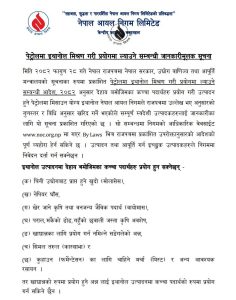
Meanwhile, Nepal has also started moving towards ethanol-blended fuel. Nepal Oil Corporation has invited applications from domestic producers interested in supplying ethanol for petrol blending.
The process follows an official order published in Nepal Gazette on March 11, 2026, by the Ministry of Industry, Commerce and Supplies. The order allows ethanol production using materials such as molasses, Napier grass, agricultural and forest biomass, straw, corn stalks, wheat residue, rotten grains unfit for consumption.
However, grains suitable for human consumption cannot be used for ethanol production under the new regulation.